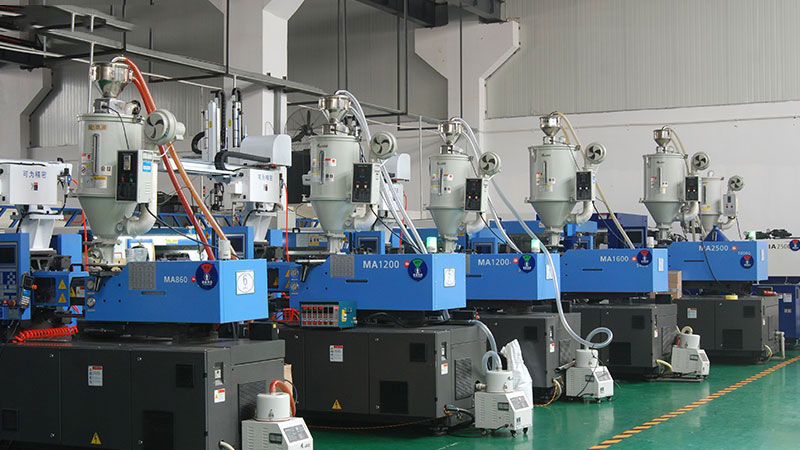
For overseas buyers, sourcing custom plastic injection molds from China remains a cornerstone strategy for achieving cost-effective, scalable production. However, the landscape is evolving rapidly. The profession of engaging with custom plastic injection molding companies is no longer just about finding the lowest quote; it is about strategic partnership, technological integration, and sophisticated supply chain management. As we look toward 2026, success hinges on a more professional, discerning approach that solves perennial challenges while embracing new standards. This guide provides actionable insights for overseas buyers to navigate this complex field with confidence and precision.
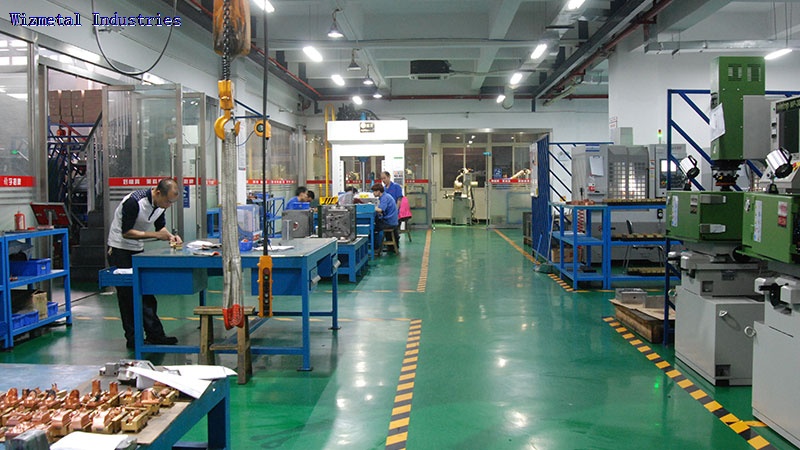
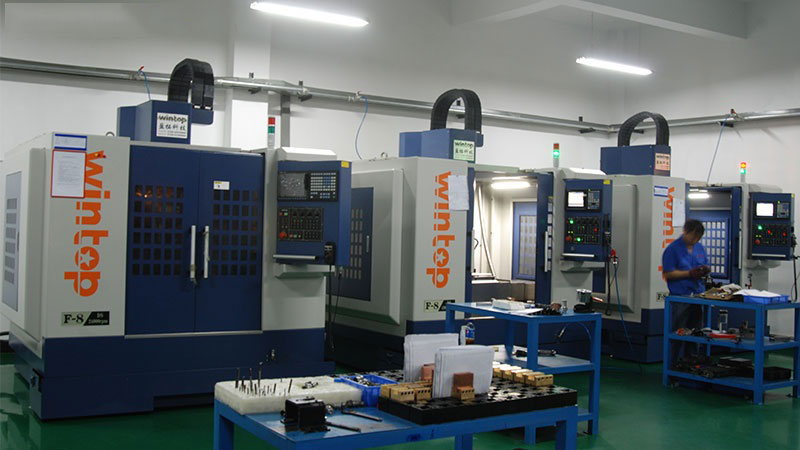
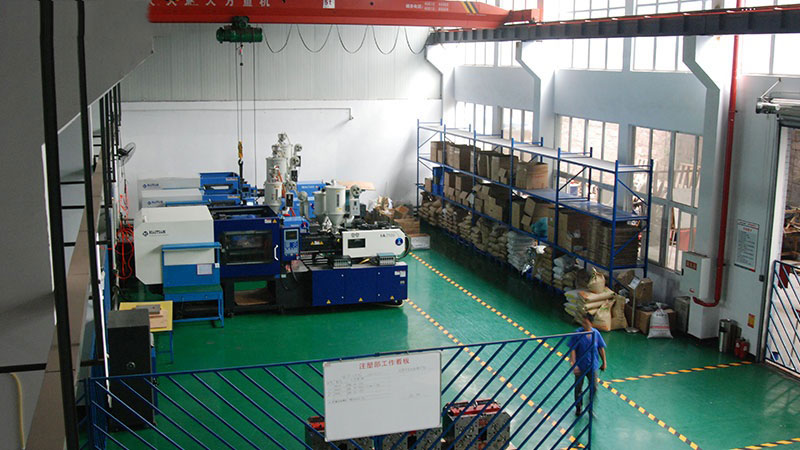
The foundation of a successful import project lies in meticulous supplier verification, a process that has become deeply nuanced. Moving beyond basic Alibaba checks, a professional 2026 approach involves multi-layered due diligence. Start with a thorough audit of the China mold factory’s technical capabilities: demand evidence of their experience with your specific material (e.g., engineering plastics, LSR) and product complexity. Utilize video audits to inspect shop floor organization, machinery brands, and maintenance schedules. Crucially, verify their quality management system certifications—not just possession, but implementation. Insist on speaking directly with their project management and engineering leads to assess communication fluency and technical problem-solving skills. This stage is about peeling back the marketing layer to evaluate the true operational competence of your potential partner.
Once a supplier is shortlisted, mastering the technical and commercial negotiation phase is critical. The procurement of an injection mold is a long-term investment, and its contract must reflect that. Professional buyers in 2026 will specify every detail: steel grade (with material certificates), mold flow analysis requirements, cavity pressure sensor integration, and a clear mold trial protocol. Define ownership of the mold design and intellectual property explicitly. Payment terms should be staged and linked to verified milestones—such as completion of design review, first article inspection, and successful pilot production run. A clear understanding of post-sale support, including mold modification costs and repair responsibilities, prevents future disputes. This structured, transparent agreement aligns expectations and protects your interests.
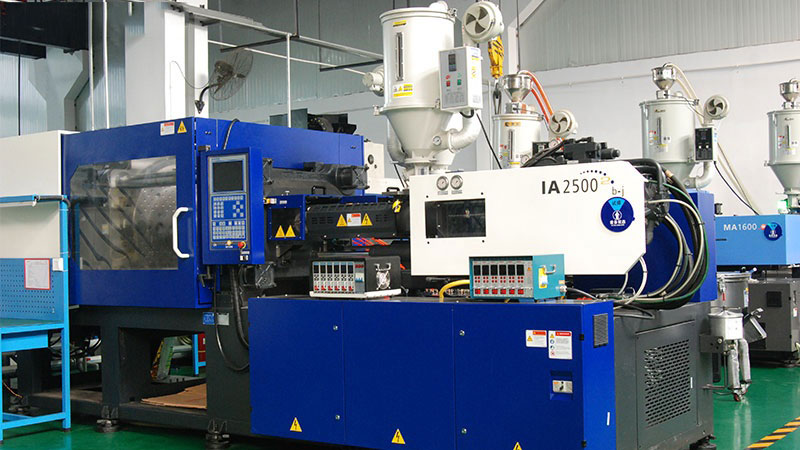
The era of passive waiting for samples is over. Proactive, technology-enabled quality control throughout the manufacturing process is non-negotiable. Leading custom plastic injection molding companies now expect and facilitate this. Implement a staggered QC plan: require digital photos and reports at key stages like steel milling, heat treatment, and assembly. For critical components, consider engaging a local third-party inspection agency for pre-shipment audits. The most significant advancement is the use of connected monitoring during sampling. Demand real-time data from the injection molding machine during trial runs—parameters, cavity pressure curves, and cycle times. This data-driven approach allows you to verify process stability and optimize the mold before it leaves the factory, ensuring the tool is production-ready and significantly reducing launch risks at your facility.
The final hurdle, often an afterthought, is logistics and post-production integration. A professional 2026 strategy treats this with equal importance. Work with your China mold factory to determine the optimal shipping method—air for urgency, sea for cost. Ensure they professionally crate the mold with proper desiccants and rust prevention for a long ocean voyage. Documentation must be impeccable: detailed packing lists, commercial invoices, and harmonized system codes to avoid customs delays. Plan for the mold’s arrival by having your domestic molding partner or facility ready for validation. Create a standardized acceptance checklist to compare the first shots from your local press against the approved samples from China. This seamless handoff is the culmination of a well-executed procurement process.
In conclusion, the profession of importing molds from China in 2026 demands a shift from transactional buying to strategic technical collaboration. The goal is to build a relationship with a China mold factory that acts as an extension of your own engineering team. By elevating supplier verification, contracting with precision, enforcing data-centric quality control, and mastering logistics, you transform the inherent complexities of overseas procurement into a competitive advantage. The most successful overseas buyers will be those who recognize that the true value lies not only in the cost of the injection mold itself but in the total lifecycle efficiency, reliability, and innovation that a professionally vetted partner delivers. This disciplined approach defines the future of working with custom plastic injection molding companies.
Work With Us
As a professional China mold manufacturer, we provide one-stop mold solution for overseas buyers.
📞 Phone: +86-18605944639
💬 WhatsApp: +8618605944639
🌐 Website: bestmoldworks.com
📧 Email: [email protected]