For overseas businesses, sourcing an injection mold from China represents a significant strategic advantage, offering unparalleled cost efficiency and manufacturing scalability. However, the path to a successful procurement journey is often fraught with complexities, from supplier verification to stringent quality control. This definitive guide for 2026 cuts through the noise, providing a professional, actionable framework for navigating the Chinese manufacturing landscape. Our focus is not on generic advice but on solving the real, pressing problems faced by international buyers to ensure your tooling investment is sound, reliable, and delivers long-term value.
The cornerstone of a successful import project is selecting the right China mold factory. Moving beyond basic online directories is crucial. Begin with a deep-dive technical assessment. A competent supplier should readily discuss your part’s material selection, anticipated shrinkage, gate and runner system design, cooling line layout, and ejection strategy. Request detailed Design for Manufacturability (DFM) feedback; a factory that simply accepts your CAD file without constructive engineering input is a red flag. Furthermore, scrutinize their project management protocol. Who will be your single point of contact? What is their formal process for design review, milestone approvals, and regular updates? A transparent, documented workflow is indicative of professional operations and prevents costly misunderstandings during the injection mold development phase.
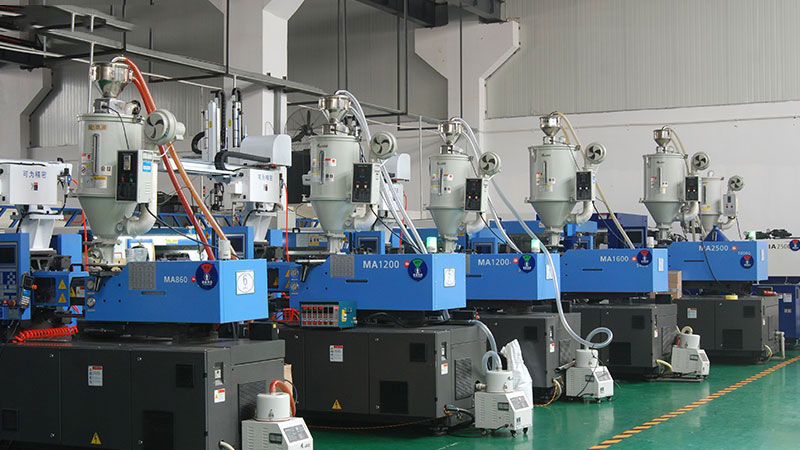
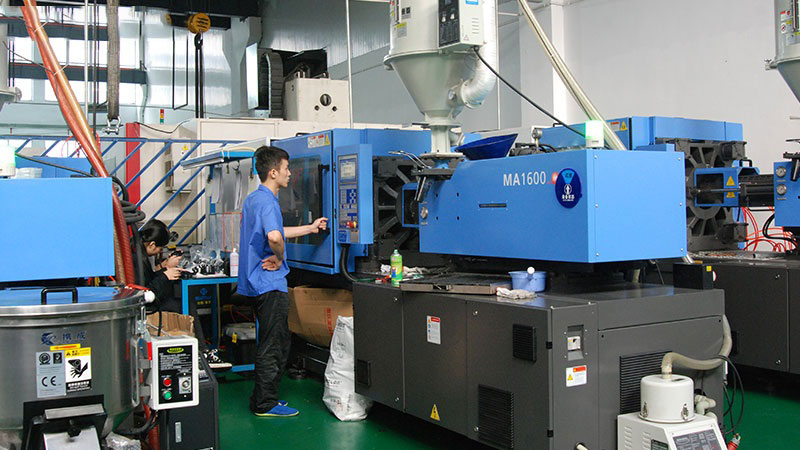
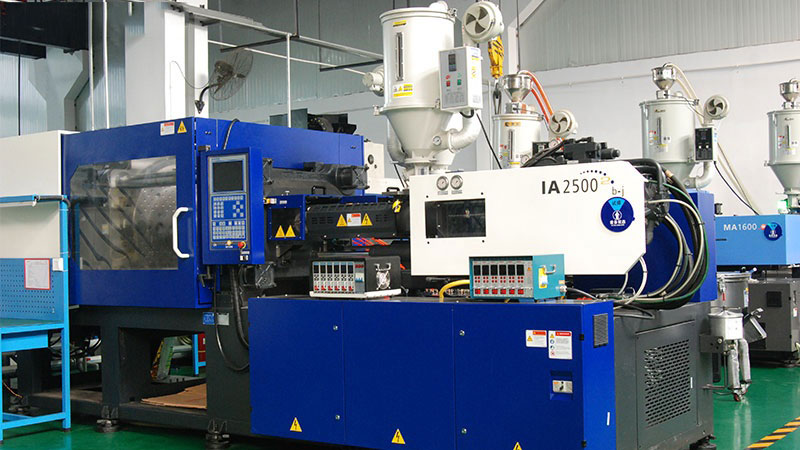
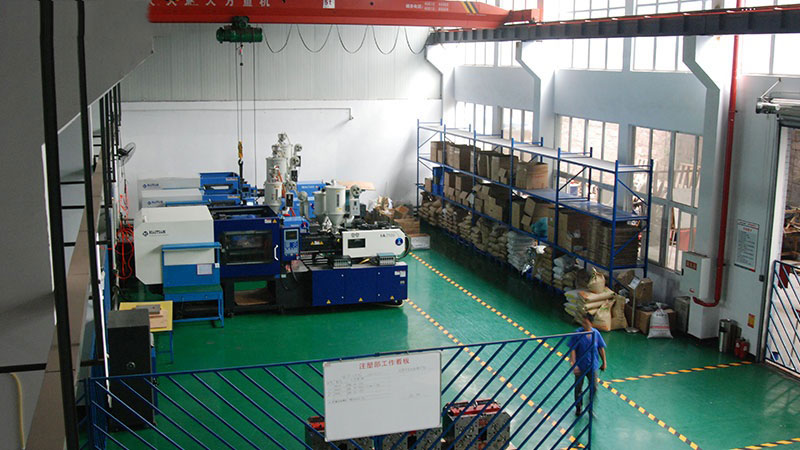
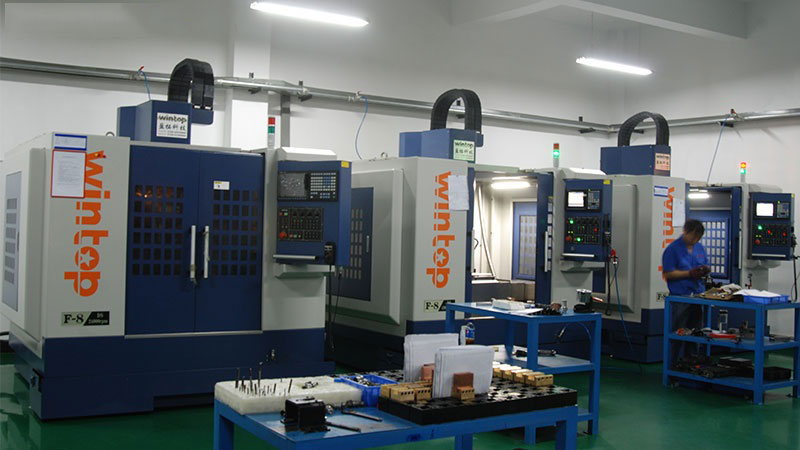
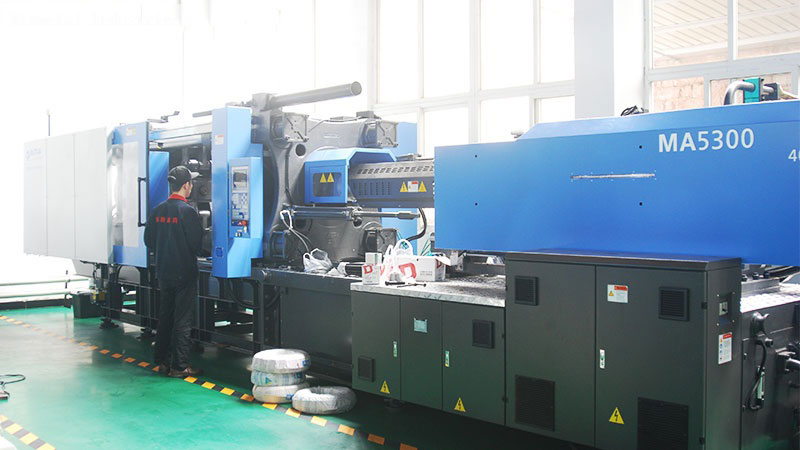
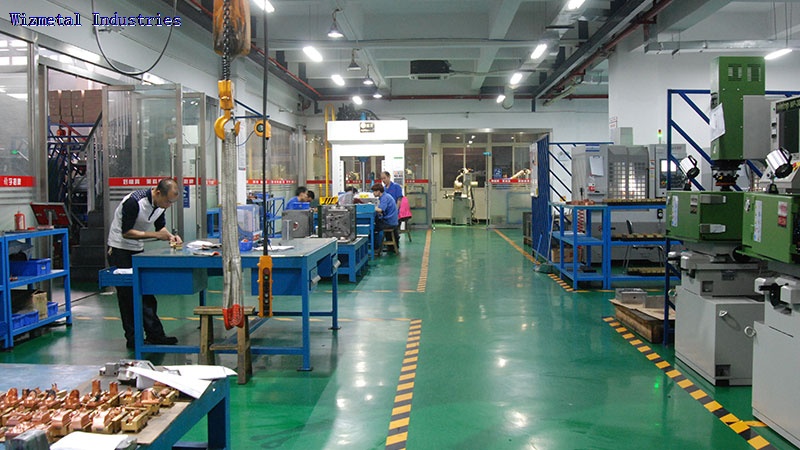
Once a potential partner is identified, rigorous supplier verification is non-negotiable. A factory audit, either conducted by a trusted third-party or through a comprehensive virtual tour, is essential. Focus on their machine park: the types and conditions of CNC, EDM, and deep-hole drilling equipment. Inquire about the experience level of their design engineers and toolmakers. Crucially, request and contact references from past overseas clients with similar project scopes. Verify their export experience, familiarity with international shipping documentation (like commercial invoices and packing lists), and their standard terms of payment. A legitimate factory will have a clear business license, understand Incoterms, and be willing to sign a detailed manufacturing agreement that protects intellectual property—a paramount concern for any buyer.
Procurement from China hinges on a crystal-clear, technically comprehensive request for quotation (RFQ). To obtain comparable and accurate quotes, your RFQ package must include: a detailed 3D part model (STEP or IGS format), 2D drawings with critical dimensions and tolerances clearly defined, material specifications for the final plastic parts, expected annual volumes, and desired mold life (e.g., 500,000 shots). Specify the mold base standard (DME, HASCO, or LKM), steel grade for different components (such as P20, H13, or S136 for corrosion resistance), surface finish requirements, and any certification needs. This precision eliminates ambiguity, allows for an apples-to-apples comparison, and demonstrates your professionalism, which in turn attracts serious manufacturers.
Implementing a multi-stage quality control protocol is what separates successful imports from costly failures. Agree on critical inspection milestones before production begins. Stage one is the mold design review. Stage two is the First Article Inspection (FAI) after the mold is trialed. This should involve a dimensional report of molded parts using CMM (Coordinate Measuring Machine) data, photographs, and video of the mold in operation. For high-volume or critical parts, consider mandating an Initial Sample Inspection Report (ISIR) or Production Part Approval Process (PPAP) level 1. For ongoing production, define acceptable quality limits (AQL) for part inspections. Many buyers engage local third-party QC agencies to conduct pre-shipment inspections, providing an unbiased assessment of the final product and the injection mold’s performance before it leaves the factory.
Effective communication and strategic logistics planning are the final pillars. Establish regular, scheduled update meetings using platforms like Zoom or Teams, with shared screens to review designs and progress. Use marked-up images and videos for feedback—they transcend language barriers. For logistics, discuss mold packaging in detail; it must be crated for oceanic freight to prevent rust and damage. Understand the lead time for mold testing, approval, and the shipping schedule. Decide on Incoterms (FOB is common) and ensure the supplier provides all necessary documents for smooth customs clearance in your country, including a detailed commercial invoice and a certificate of origin.
Successfully importing an injection mold from China in 2026 demands a blend of technical diligence, systematic verification, and proactive partnership management. By focusing on engineering capability during supplier selection, enforcing rigorous quality control checkpoints, and fostering transparent communication, you transform the perceived risks into a formidable competitive edge. The goal is to build a relationship with a China mold factory that acts as an extension of your own engineering team, delivering not just a tool, but a foundation for manufacturing excellence and product quality for years to come.
Work With Us
As a professional China mold manufacturer, we provide one-stop mold solution for overseas buyers.
📞 Phone: +86-18605944639
💬 WhatsApp: +8618605944639
🌐 Website: bestmoldworks.com
📧 Email: [email protected]