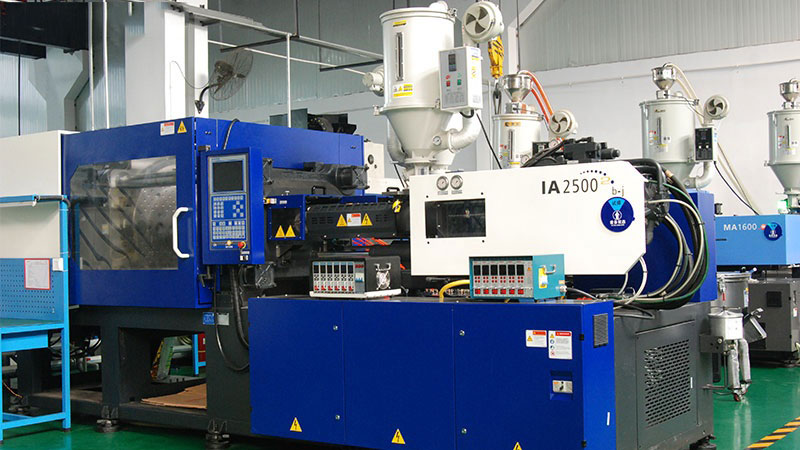
For overseas buyers and product developers, sourcing custom injection molded parts represents a critical path to cost-effective, high-volume production. The global manufacturing landscape, however, is perpetually evolving. As we look toward 2026, the challenge is no longer merely about finding a supplier in China; it is about strategically identifying and partnering with a *reliable* China mold factory that can serve as a true extension of your engineering and quality teams. This guide cuts through the noise to provide actionable, forward-looking strategies for your procurement success.
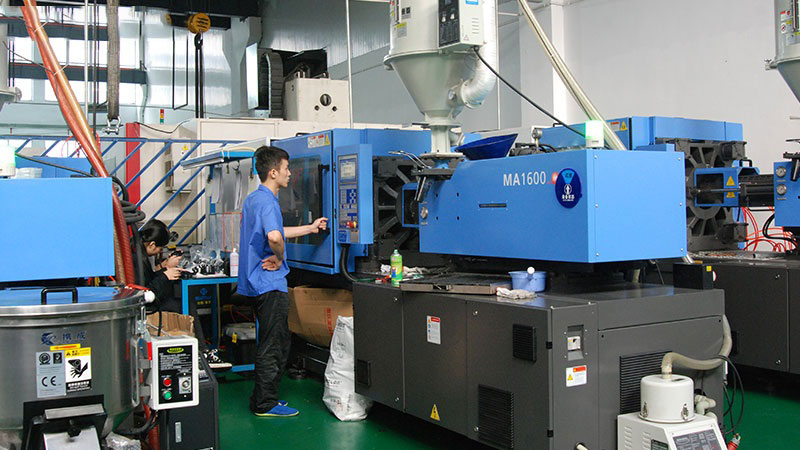
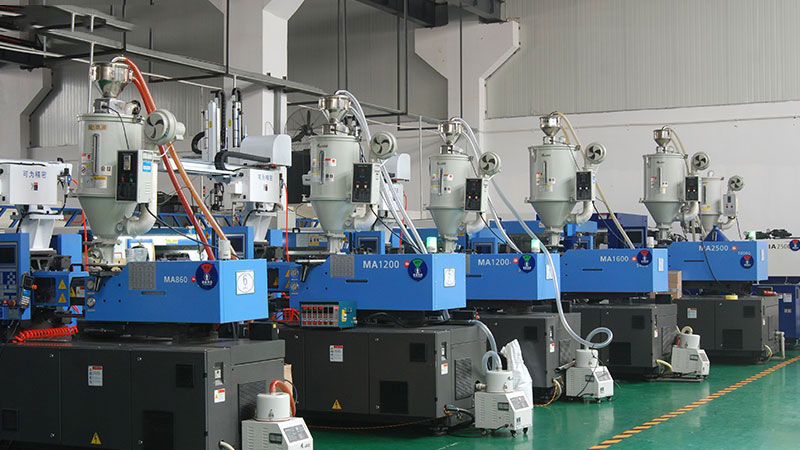
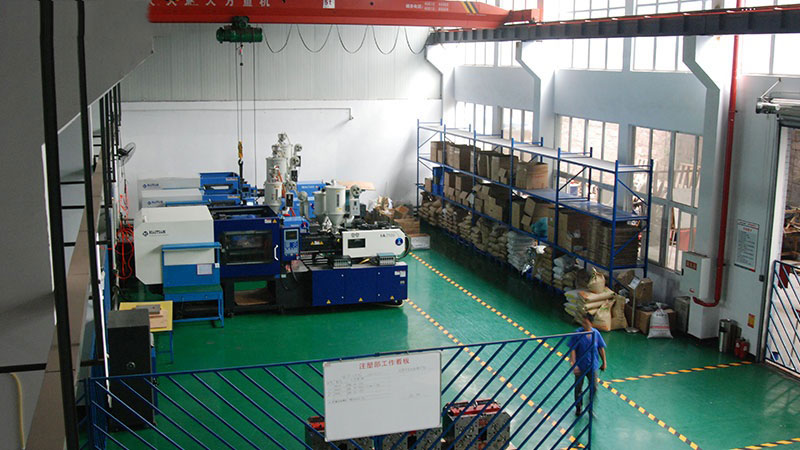
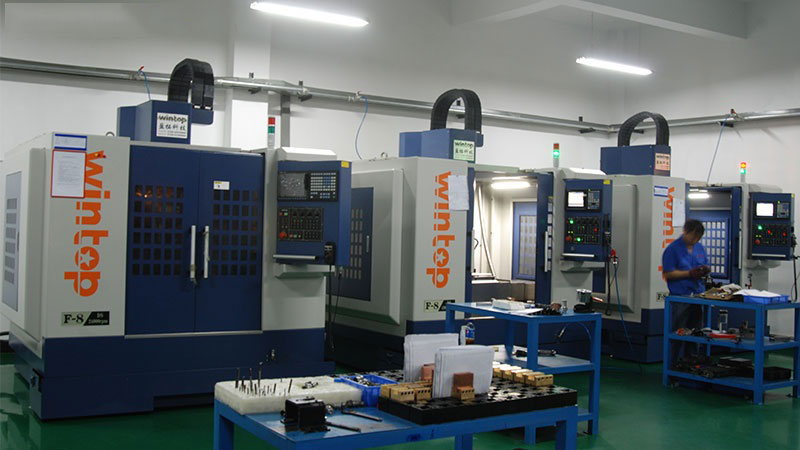
The foundation of any successful project lies in rigorous supplier verification. The era of selecting a manufacturer based solely on a glossy website or a low initial quote is over. In 2024 and beyond, due diligence is non-negotiable. Start by verifying business licenses and export credentials. Utilize third-party platforms for background checks and seek out detailed case studies relevant to your industry. Crucially, move beyond email. Insist on a live video tour of the facility. A reputable injection mold maker will readily showcase their shop floor, molding machines, quality lab, and ongoing projects. This transparency allows you to assess their capability, organization, and technological level firsthand, aligning your expectations with their actual capacity for producing your custom injection molded parts.
Once a potential partner passes initial verification, the focus must shift to technical and communication protocols. The single most critical document is the mold design review. Do not proceed until a comprehensive 3D mold flow analysis and mold structure design have been presented and discussed in detail. This stage prevents costly revisions and production flaws later. Furthermore, establish clear communication chains. Identify your primary technical contact and project manager on both sides. Reliable manufacturers in 2026 will use collaborative platforms where design files, revisions, and progress reports are centrally logged. Clarify expectations on response times and the use of precise technical language to avoid misunderstandings. Effective procurement hinges on this seamless integration of technical expertise and clear dialogue.
Proactive quality control integration separates leading suppliers from the rest. Your agreement must define quality milestones before production begins. This includes First Article Inspection (FAI) reports with full dimensional layout, material certification, and a defined sample approval process. Discuss in detail how the China mold factory handles critical aspects like cavity pressure sensors, which monitor consistency, and their schedule for routine mold maintenance. Will they provide pre-shipment inspection reports with photos and data? For higher volumes, consider the value of hiring a third-party inspection service for key production runs. Building these QC checkpoints into your timeline and contract is not a sign of mistrust; it is a professional standard that safeguards your investment and ensures the injection mold delivers parts to specification consistently.
Understanding the total cost of ownership, rather than just the unit price, is paramount for long-term reliability. A suspiciously low bid for custom injection molded parts often signals corner-cutting on steel quality, mold longevity, or process control. A reliable partner will provide a transparent cost breakdown: mold base steel grade, cavity and core material (e.g., pre-hardened steel vs. hardened tool steel), number of cavities, expected cycle time, and any post-processing requirements. Discuss payment terms that balance risk, such as a 50-40-10 structure (50% with order, 40% after sample approval, 10% after shipment). Also, factor in logistical costs and lead times. By 2026, savvy buyers view the mold as a capital asset; investing in a robust tool from a verified partner reduces per-part cost over the product’s lifecycle and minimizes disruptive downtime.
The journey does not end at shipment. Evaluating a manufacturer’s capacity for long-term partnership is essential for future projects. Assess their responsiveness to any post-delivery issues. Do they offer mold maintenance and repair services? Observe their willingness to collaborate on design for manufacturability (DFM) suggestions that could enhance part quality or reduce cost. A supplier that demonstrates continuous improvement, invests in new technology like Industry 4.0 data tracking on their presses, and views your success as their own is a partner for 2026 and beyond. This strategic relationship transforms a transactional purchase into a sustainable competitive advantage for your business.
In conclusion, securing reliable manufacturers for your custom injection molded parts in 2026 demands a methodical, hands-on approach. It is a process built on verified capability, enforced technical communication, embedded quality control, intelligent cost analysis, and a vision for partnership. By implementing these actionable strategies, overseas buyers can confidently navigate the Chinese manufacturing sector. The goal is to move beyond simple procurement to establishing a resilient, high-quality supply chain that delivers precision, consistency, and value, project after project.
Work With Us
As a professional China mold manufacturer, we provide one-stop mold solution for overseas buyers.
📞 Phone: +86-18605944639
💬 WhatsApp: +8618605944639
🌐 Website: bestmoldworks.com
📧 Email: [email protected]