For overseas businesses, understanding how to make custom plastic molds in China remains one of the most strategic ways to achieve cost-effective, high-quality production. The landscape, however, is constantly evolving. As we look toward 2026, procurement success hinges on a refined, professional approach that moves beyond simple price comparison to build robust, transparent partnerships. This guide provides a complete, actionable framework for international buyers to navigate the process confidently, mitigate risks, and secure molds that meet exact specifications from a reliable China mold factory.
The journey begins long before you request a quote. Comprehensive design and specification are non-negotiable. A perfect mold starts with a perfect design. Ensure your 3D CAD models (preferably in STEP or IGES format) are finalized, thoroughly reviewed for manufacturability, and include clear, detailed 2D drawings. Critical specifications must cover the plastic material intended for use, expected annual production volume, cosmetic requirements (e.g., texture, polish), and tolerance levels. Engaging in a Design for Manufacturability (DFM) review with your potential supplier at this stage is invaluable. A professional China mold factory will analyze your design, suggest modifications to simplify molding, reduce cost, and enhance durability, preventing costly revisions later. This collaborative upfront effort is the bedrock of a successful project.
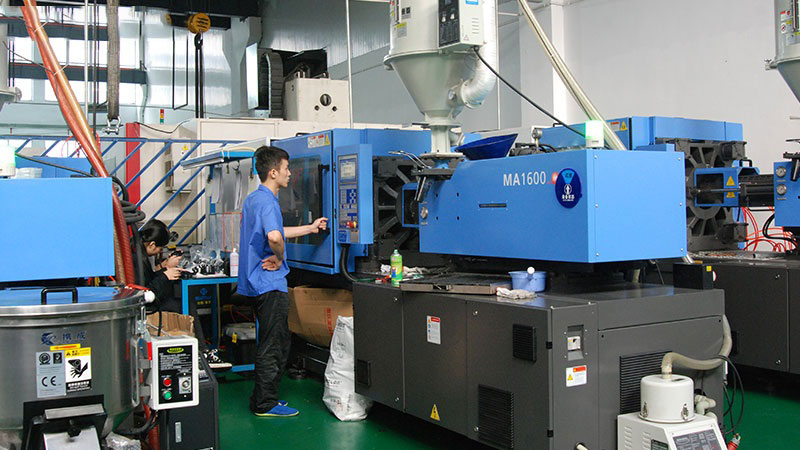
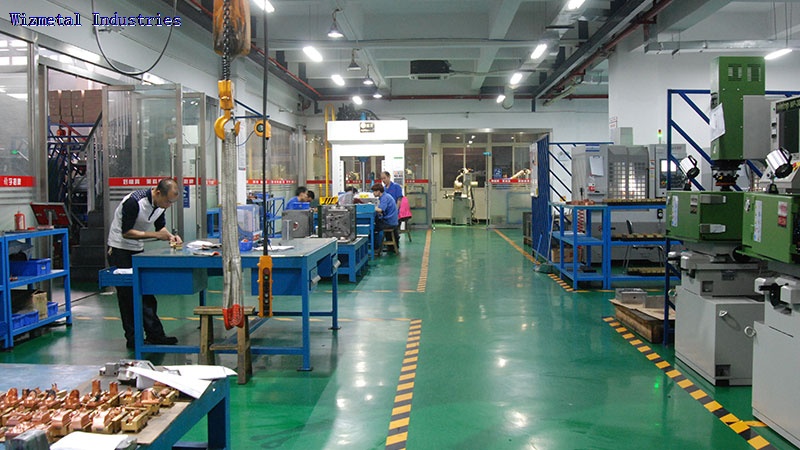
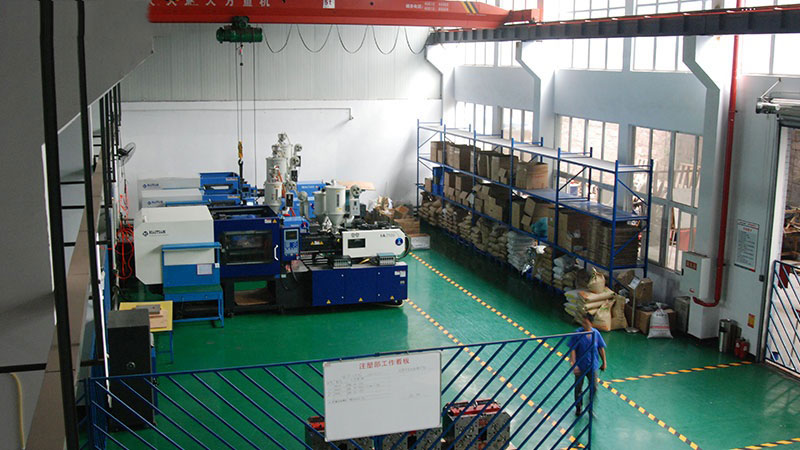
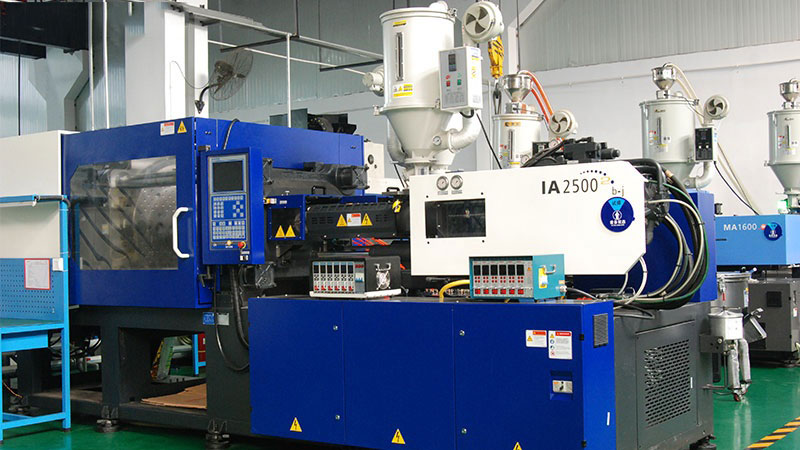
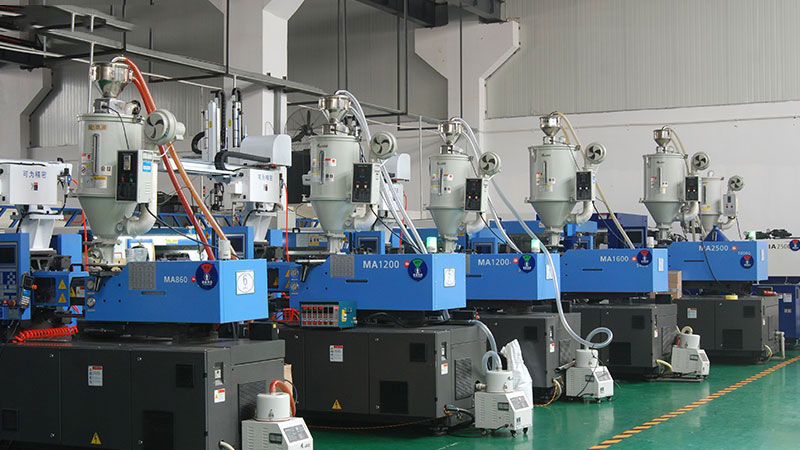
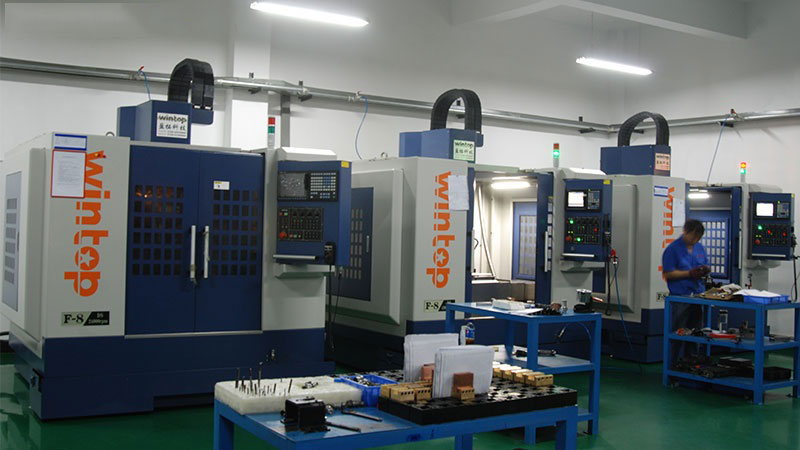
With a solid design package, the next critical phase is supplier verification and selection. The market is diverse, ranging from small workshops to fully integrated manufacturing hubs. Your due diligence must be rigorous. Start by verifying business licenses and export credentials. Seek out suppliers with demonstrable expertise in your specific type of injection mold, whether it’s for high-precision medical components, large automotive parts, or multi-cavity consumer goods. Insist on visiting the factory virtually via a detailed video tour; assess their machinery (look for CNC, EDM, and precision measuring equipment), workshop organization, and engineering team. Crucially, request and contact references from existing overseas clients. In 2026, a trustworthy partner will be transparent about their capacity, lead times, and communication protocols, assigning a dedicated project manager fluent in English to bridge the language and time-zone gap.
The procurement process itself must be managed through clear, legally sound agreements. A professional quotation should break down costs for mold design, materials (such as pre-hardened steel, stainless steel, or aluminum), manufacturing, sampling, and shipping. Beware of suspiciously low bids; they often signal the use of inferior materials or poor workmanship. Your purchase order or contract must explicitly detail all technical specifications, milestone payment schedules (e.g., 30% deposit, 40% after T1 sample approval, 30% before shipment), intellectual property protection clauses, and protocols for handling delays or quality discrepancies. Effective procurement in the current climate means treating the contract not as a mere formality but as the definitive playbook for the project, ensuring both parties share identical expectations.
Throughout the manufacturing process, proactive quality control is your primary tool for risk mitigation. Do not adopt a “wait and see” approach until the final sample arrives. Instead, implement staged inspections. Require your supplier to provide regular progress reports with photos and videos, particularly for key stages like mold base machining, cavity and core finishing, and assembly. For critical projects, hiring a third-party inspection company in China to conduct an Initial Production Check (IPC) during manufacturing and a Pre-Shipment Inspection (PSI) is a wise investment. They will verify steel hardness, check critical dimensions against your drawings, and assess the overall workmanship. This hands-on QC strategy allows for mid-course corrections, ensuring the final injection mold aligns precisely with your standards before it leaves the factory floor.
The final and most telling stage is the sampling and approval process. A reputable manufacturer will produce initial samples (T1) using the actual production mold on their injection molding machines. You must evaluate these samples meticulously—measuring dimensions, checking fit and function, and assessing surface finish. Provide clear, consolidated feedback. It is common to go through one or two rounds of minor mold adjustments (T2, T3) to achieve perfection. Only after formally approving the final sample should you authorize the shipment of the completed mold. This step finalizes the process of how to make custom plastic molds that are ready for mass production, ensuring the tool you receive is proven and capable.
Mastering the complete procurement process for custom plastic molds in China by 2026 demands a blend of meticulous preparation, strategic partnership, and vigilant oversight. It transcends merely finding a vendor; it’s about integrating a competent China mold factory into your supply chain as a technical collaborator. By investing time in precise design, conducting thorough supplier verification, managing procurement with clear contracts, enforcing rigorous quality control, and meticulously approving samples, you transform a complex overseas project into a predictable, successful endeavor. This structured approach not only secures a high-quality injection mold but also establishes a foundation for a long-term, reliable manufacturing relationship, giving your product a significant competitive edge in the global market.
Work With Us
As a professional China mold manufacturer, we provide one-stop mold solution for overseas buyers.
📞 Phone: +86-18605944639
💬 WhatsApp: +8618605944639
🌐 Website: bestmoldworks.com
📧 Email: [email protected]