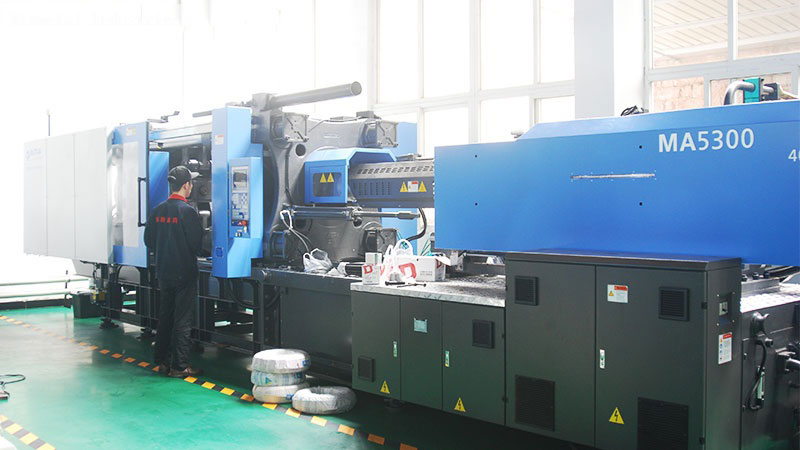
For global businesses, partnering with a plastic mold factory in China remains one of the most strategic decisions to achieve cost efficiency and scalable production. However, the landscape is evolving rapidly. The era of simply searching for the lowest quote is over. In 2026, successful importers are those who approach this process with a framework built on verification, communication, and technical collaboration. This guide cuts through the noise to provide overseas buyers with actionable, professional strategies for navigating the Chinese mold manufacturing sector, ensuring you secure not just a tool, but a reliable production partner.
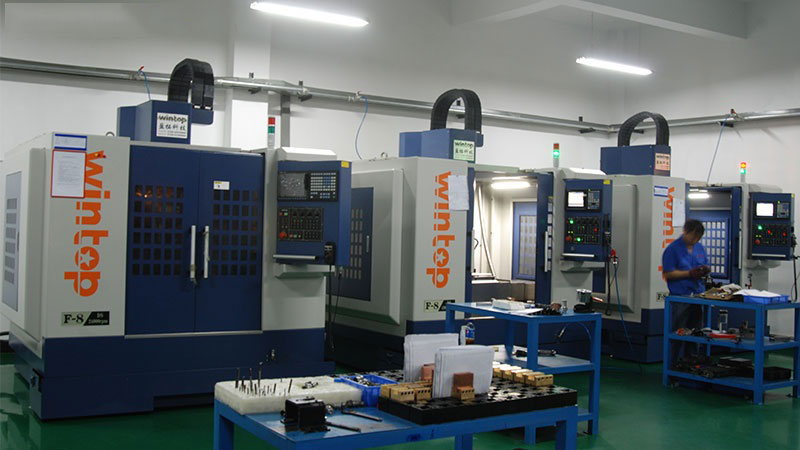
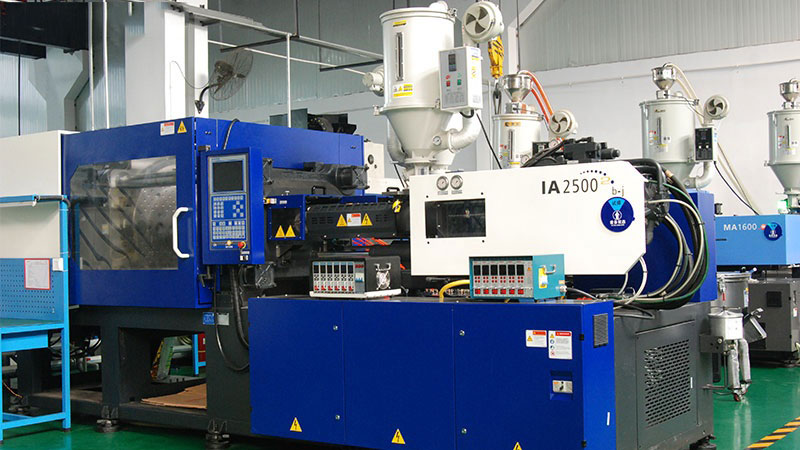
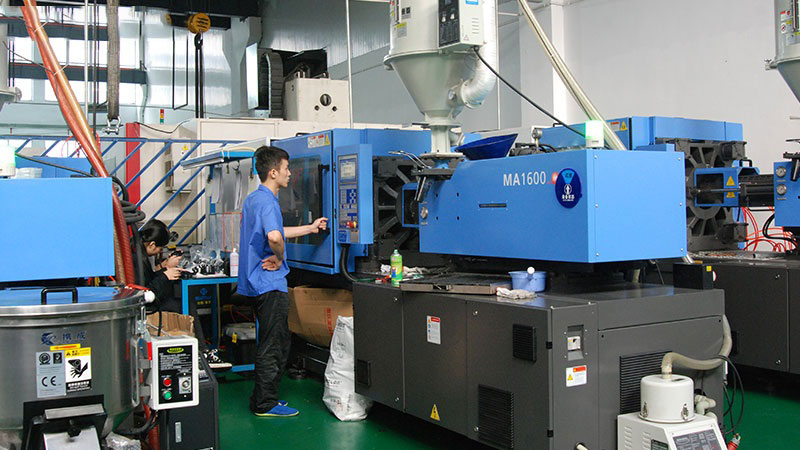
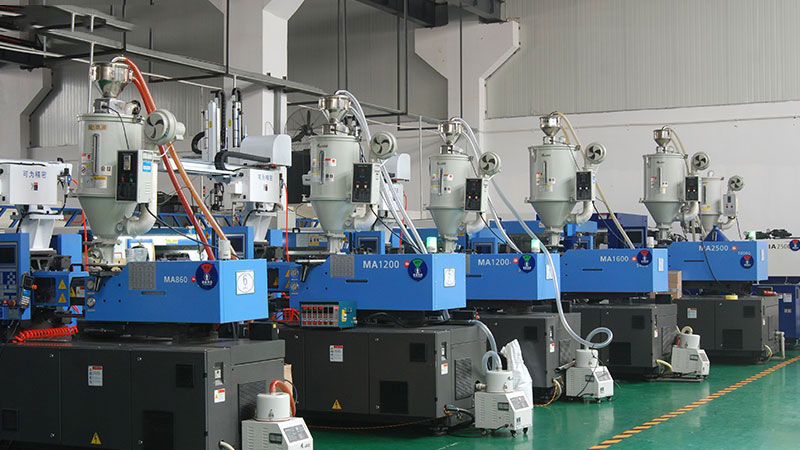
The foundation of a successful import project is selecting the right China mold factory. This begins with moving beyond Alibaba listings and conducting deep supplier verification. Start by scrutinizing the factory’s core competencies. Do they have a proven track record with your specific type of injection mold—be it for automotive components, medical devices, or consumer electronics? Request detailed case studies and, crucially, contact past international clients. In 2026, a reputable supplier will have a digital portfolio showcasing their engineering process, not just finished products. Verify business licenses and export history. Utilize third-party inspection services for an initial factory audit, assessing their real production capacity, machinery (look for modern CNC, EDM, and mold testing presses), and in-house engineering team. This upfront diligence mitigates the single biggest risk: partnering with a facade company that outsources your critical tooling.
Once a shortlist is established, mastering the technical and commercial discussion is paramount. The most common point of failure is an incomplete or ambiguous Request for Quotation (RFQ). Your RFQ must be a comprehensive technical package. Include not only part drawings (preferably 3D STEP files and 2D PDFs with GD&T) but also material specifications, expected annual volumes, and cosmetic requirements. Clearly state all critical dimensions and tolerances. For your injection mold, specify the mold base standard (LKM, HASCO, DME), steel grade for different components, cooling line layout expectations, and ejection mechanisms. This precision allows factories to provide comparable and accurate quotations. During negotiations, focus on total value, not just unit price. Discuss payment terms (a common and secure structure is 50% deposit, 40% before shipment, 10% after sample approval), warranty period (typically 12-18 months), and terms for engineering changes. A professional plastic mold factory will ask as many questions as you do, demonstrating their engagement and expertise.
Proactive quality control, integrated throughout the manufacturing journey, is non-negotiable. Do not wait until the final inspection to check quality. Implement a staged inspection protocol. Key milestones include a pre-production meeting to review mold flow analysis (MFA) and design for manufacturability (DFM) reports—this is where potential issues are solved digitally, saving vast costs and time. The second critical checkpoint is the First Article Inspection (FAI) after the T1 sample is produced. This involves a dimensional report against your drawings and a functional test in their facility. Insist on video evidence of sampling cycles. For high-value projects, plan for an in-process inspection during steel machining. Many buyers now use bilingual QC agents or trusted third-party services to conduct these inspections, providing an objective layer of oversight. This continuous feedback loop ensures the final product aligns with your specifications before the mold ever leaves the factory floor.
The final phase—logistics, IP protection, and long-term partnership—solidifies the investment. Ensure you understand the Incoterms. EXW, FOB, or CIF have major implications for cost and control. For mold shipment, professional crating is essential to prevent damage. Discuss insurance coverage for the high-value cargo. Regarding Intellectual Property, a well-drafted Non-Disclosure Agreement (NDA) and Product Confidentiality Agreement are your first defense. Register your designs in China where possible. A trustworthy partner respects IP, but legal documents formalize this understanding. Finally, view this procurement as initiating a long-term relationship. A well-maintained mold will last for millions of cycles. Discuss post-sales support: how will they handle maintenance, repairs, or modifications? Will they store your mold design and steel blocks for future orders? The right China mold factory becomes an extension of your engineering team, enabling rapid iteration and production scaling.
In conclusion, importing an injection mold from China in 2026 is a sophisticated process that rewards a systematic and informed approach. It transcends mere price shopping and evolves into a partnership built on verified capability, crystal-clear communication, embedded quality control, and strategic foresight. By implementing the steps outlined—from rigorous supplier verification and detailed RFQs to staged inspections and solid contractual frameworks—overseas buyers can dramatically de-risk their procurement. The goal is to transform the inherent complexities of offshore manufacturing into your competitive advantage, securing high-quality tooling that drives product excellence and market success for years to come.
Work With Us
As a professional China mold manufacturer, we provide one-stop mold solution for overseas buyers.
📞 Phone: +86-18605944639
💬 WhatsApp: +8618605944639
🌐 Website: bestmoldworks.com
📧 Email: [email protected]