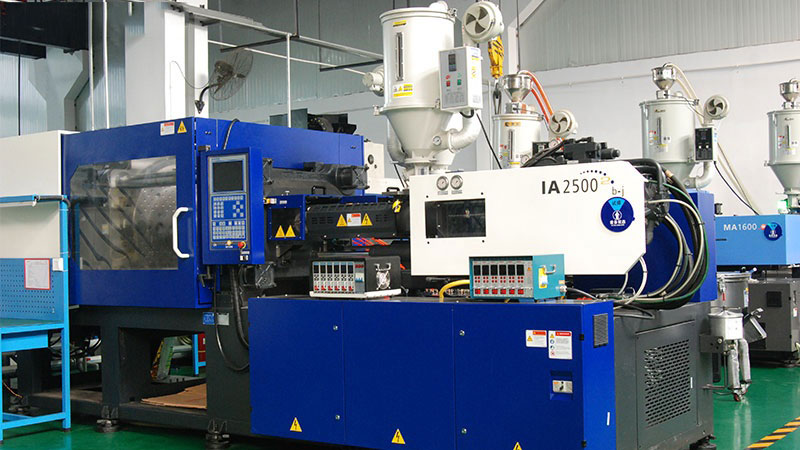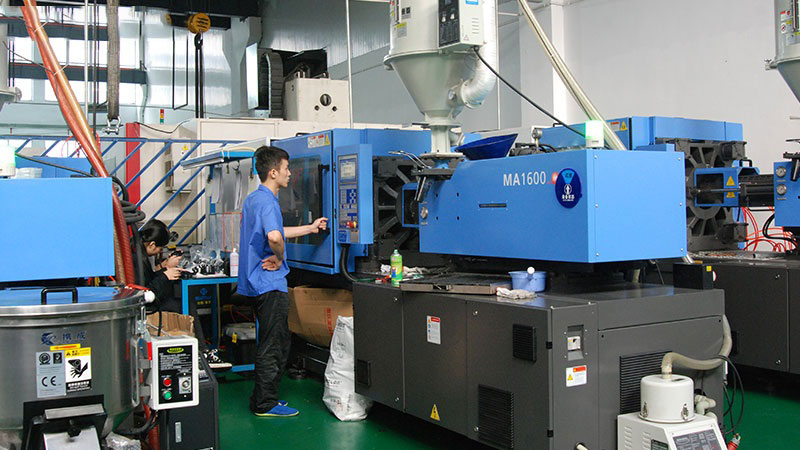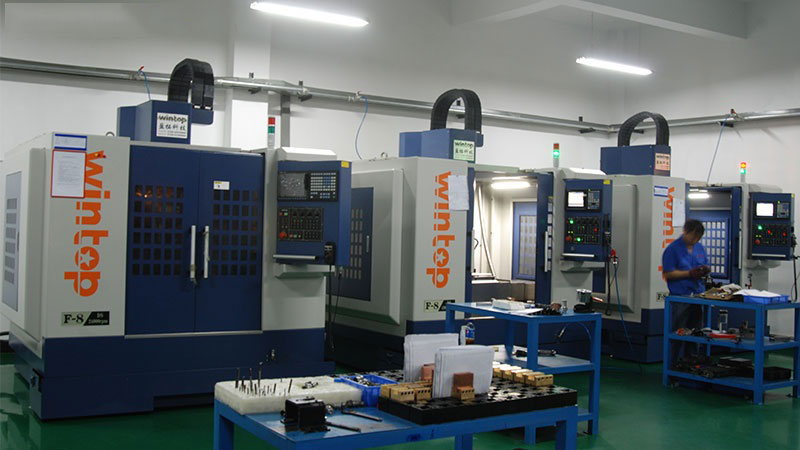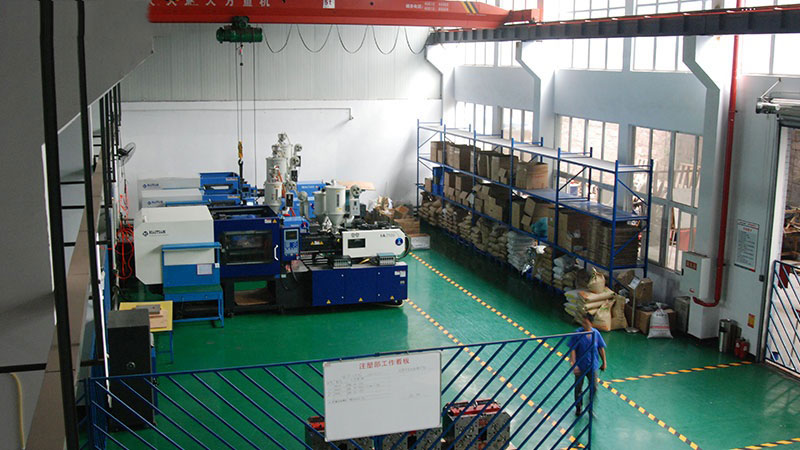
For overseas businesses, from boutique artisans to large-scale manufacturers, sourcing custom silicone molds represents a significant opportunity to enhance product offerings and control costs. China remains the global epicenter for mold manufacturing, offering unparalleled expertise, scalability, and competitive pricing. However, navigating the landscape of a **silicone mold factory china** requires a strategic approach to mitigate risks and ensure a successful partnership. This guide for 2026 cuts through the noise to provide actionable, professional advice for international buyers looking to import high-quality silicone molds.
The cornerstone of any successful import project is identifying and verifying the right partner. A simple online search for “China mold factory” will yield thousands of results, making the initial screening critical. Begin by focusing on factories with a demonstrated portfolio in silicone or similar soft molds, such as those for resin, concrete, or chocolate. Platforms like Alibaba Made-in-China.com are useful starting points, but prioritize suppliers with verified badges and, more importantly, a history of direct client reviews. In 2026, a professional **silicone mold factory china** will have a robust digital presence, including detailed case studies, process videos, and technical documentation readily available. Look for evidence of their experience with your specific industry, whether it’s baking, construction, candle making, or industrial prototyping. Initial verification should include a business license check and a video tour of the facility—a standard practice that reputable factories now expect and facilitate.
Once a shortlist is established, the procurement process must be anchored in precise technical communication. The term “silicone mold” encompasses vast variations in material grade, hardness (Shore A), temperature resistance, and cure time. Miscommunication at this stage is the primary cause of substandard results. Provide comprehensive 3D drawings (STEP or IGS files are preferred) with clear tolerances, parting line locations, and draft angles. Specify the exact type of silicone required, such as food-grade platinum-cure silicone for baking or high-temperature vulcanized (HTV) silicone for industrial applications. Discuss the intended casting material, expected production volume, and required mold life. A professional **China mold factory** will ask detailed questions and may suggest design for manufacturability (DFM) improvements to enhance mold longevity and performance. Treat this technical dialogue as a key indicator of the factory’s expertise; a responsive, inquisitive partner is far more valuable than a passively agreeable one.
Proactive quality control is non-negotiable and must be structured throughout the production timeline, not just as a final inspection. Before full production commences, insist on the creation of a first article inspection (FAI) sample or a prototype mold. This sample should be tested with your actual casting material to validate dimensions, detail reproduction, surface finish, and de-molding performance. For ongoing quality assurance, define clear acceptance criteria (AQL levels for visual defects, critical dimension checks) and agree on an inspection protocol. Many reputable buyers now employ third-party quality control services in China to conduct pre-shipment inspections (PSI) or during-production checks (DUPRO). This independent verification provides an objective assessment of the batch quality. Furthermore, understand the factory’s internal QC processes—do they have measuring equipment like CMMs for critical dimensions? Do they perform batch testing on silicone raw materials? Answers to these questions separate advanced operations from basic workshops.
Beyond the mold itself, a holistic evaluation of the supplier encompasses logistics, intellectual property (IP) protection, and long-term partnership potential. Discuss incoterms (FOB, EXW, CIF) clearly to understand cost breakdowns and responsibilities. Ensure the factory has experience in packaging molds for international shipping to prevent deformation or damage. The 2026 landscape places greater emphasis on IP protection. A trustworthy partner will sign a Non-Disclosure Agreement (NDA) and demonstrate a clear policy against sharing your designs. Consider the factory’s capacity for scaling production if your needs grow, and their ability to handle related tooling, such as master patterns or supporting **injection mold** frames for silicone injection processes. Evaluating their communication efficiency, problem-solving attitude, and willingness to provide post-sales support for mold maintenance tips is crucial for a sustainable supply chain.
In conclusion, importing silicone molds from China in 2026 is a highly advantageous strategy when executed with diligence and strategic partnership. The journey from supplier verification to final quality control requires a methodical, informed approach that prioritizes clear communication and proactive oversight. By focusing on factories with proven expertise, engaging in detailed technical procurement discussions, implementing rigorous quality control measures, and building a relationship based on transparency, overseas buyers can unlock the full potential of Chinese manufacturing. The goal is to transform the search for a **silicone mold factory china** from a daunting task into a streamlined process that delivers reliable, high-quality tools, driving innovation and competitiveness in your home market.
Work With Us
As a professional China mold manufacturer, we provide one-stop mold solution for overseas buyers.
📞 Phone: +86-18605944639
💬 WhatsApp: +8618605944639
🌐 Website: bestmoldworks.com
📧 Email: [email protected]