Blog

  • injection mold: Ultimate Guide for Buyers 2026 | China Mold Factory

    For overseas businesses, sourcing an injection mold from China represents a significant strategic advantage, offering unparalleled cost efficiency and manufacturing scalability. However, the path to a successful procurement journey is often fraught with complexities, from supplier verification to stringent quality control. This definitive guide for 2026 cuts through the noise, providing a professional, actionable framework for navigating the Chinese manufacturing landscape. Our focus is not on generic advice but on solving the real, pressing problems faced by international buyers to ensure your tooling investment is sound, reliable, and delivers long-term value.

    The cornerstone of a successful import project is selecting the right China mold factory. Moving beyond basic online directories is crucial. Begin with a deep-dive technical assessment. A competent supplier should readily discuss your part’s material selection, anticipated shrinkage, gate and runner system design, cooling line layout, and ejection strategy. Request detailed Design for Manufacturability (DFM) feedback; a factory that simply accepts your CAD file without constructive engineering input is a red flag. Furthermore, scrutinize their project management protocol. Who will be your single point of contact? What is their formal process for design review, milestone approvals, and regular updates? A transparent, documented workflow is indicative of professional operations and prevents costly misunderstandings during the injection mold development phase.

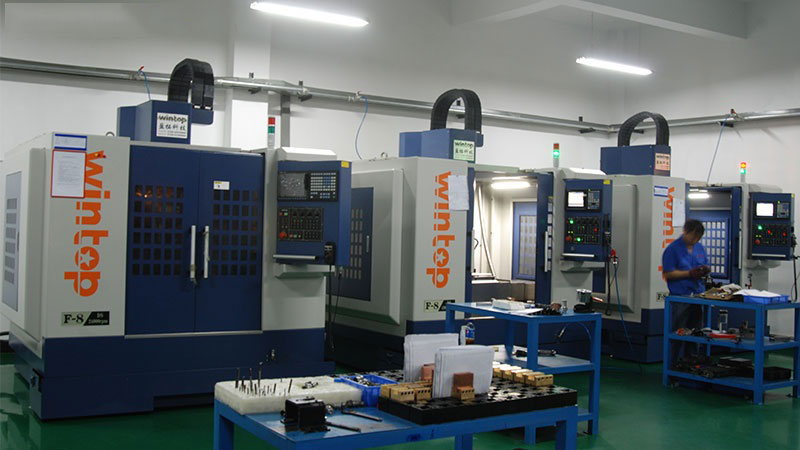
    Once a potential partner is identified, rigorous supplier verification is non-negotiable. A factory audit, either conducted by a trusted third-party or through a comprehensive virtual tour, is essential. Focus on their machine park: the types and conditions of CNC, EDM, and deep-hole drilling equipment. Inquire about the experience level of their design engineers and toolmakers. Crucially, request and contact references from past overseas clients with similar project scopes. Verify their export experience, familiarity with international shipping documentation (like commercial invoices and packing lists), and their standard terms of payment. A legitimate factory will have a clear business license, understand Incoterms, and be willing to sign a detailed manufacturing agreement that protects intellectual property—a paramount concern for any buyer.

    Procurement from China hinges on a crystal-clear, technically comprehensive request for quotation (RFQ). To obtain comparable and accurate quotes, your RFQ package must include: a detailed 3D part model (STEP or IGS format), 2D drawings with critical dimensions and tolerances clearly defined, material specifications for the final plastic parts, expected annual volumes, and desired mold life (e.g., 500,000 shots). Specify the mold base standard (DME, HASCO, or LKM), steel grade for different components (such as P20, H13, or S136 for corrosion resistance), surface finish requirements, and any certification needs. This precision eliminates ambiguity, allows for an apples-to-apples comparison, and demonstrates your professionalism, which in turn attracts serious manufacturers.

    Implementing a multi-stage quality control protocol is what separates successful imports from costly failures. Agree on critical inspection milestones before production begins. Stage one is the mold design review. Stage two is the First Article Inspection (FAI) after the mold is trialed. This should involve a dimensional report of molded parts using CMM (Coordinate Measuring Machine) data, photographs, and video of the mold in operation. For high-volume or critical parts, consider mandating an Initial Sample Inspection Report (ISIR) or Production Part Approval Process (PPAP) level 1. For ongoing production, define acceptable quality limits (AQL) for part inspections. Many buyers engage local third-party QC agencies to conduct pre-shipment inspections, providing an unbiased assessment of the final product and the injection mold’s performance before it leaves the factory.

    Effective communication and strategic logistics planning are the final pillars. Establish regular, scheduled update meetings using platforms like Zoom or Teams, with shared screens to review designs and progress. Use marked-up images and videos for feedback—they transcend language barriers. For logistics, discuss mold packaging in detail; it must be crated for oceanic freight to prevent rust and damage. Understand the lead time for mold testing, approval, and the shipping schedule. Decide on Incoterms (FOB is common) and ensure the supplier provides all necessary documents for smooth customs clearance in your country, including a detailed commercial invoice and a certificate of origin.

    Successfully importing an injection mold from China in 2026 demands a blend of technical diligence, systematic verification, and proactive partnership management. By focusing on engineering capability during supplier selection, enforcing rigorous quality control checkpoints, and fostering transparent communication, you transform the perceived risks into a formidable competitive edge. The goal is to build a relationship with a China mold factory that acts as an extension of your own engineering team, delivering not just a tool, but a foundation for manufacturing excellence and product quality for years to come.

    Work With Us

    As a professional China mold manufacturer, we provide one-stop mold solution for overseas buyers.
    📞 Phone: +86-18605944639
    💬 WhatsApp: +8618605944639
    🌐 Website: bestmoldworks.com
    📧 Email: [email protected]

  • create custom molds reviews: Complete Procurement Guide 2026

    For overseas buyers, the decision to import custom molds from China represents a significant opportunity for cost efficiency and manufacturing scalability. However, the path from concept to receiving a high-quality, production-ready mold is fraught with complexity. Simply searching for “create custom molds reviews” online yields a mix of experiences, highlighting both tremendous successes and costly failures. This guide for 2026 moves beyond anecdotal reviews to provide a structured, professional procurement framework. We will solve real problems by detailing actionable steps for supplier verification, technical alignment, and rigorous quality control, ensuring your investment in an injection mold or any custom tooling delivers precise, reliable, and profitable results.

    The critical first step, often overlooked in haste, is comprehensive internal preparation. Before contacting a single China mold factory, you must have crystal-clear specifications. This goes beyond a basic 3D file. Develop a comprehensive Technical Requirement Document (TRD) that includes the mold base standard (e.g., LKM, HASCO, DME), steel grade preferences for core and cavity (such as P20, H13, S136 with hardness requirements), surface finish specifications (SPI standards), expected cycle time, cavitation, and lifetime expectancy (e.g., 500,000 shots). Detail the part material (resin type), critical dimensions and tolerances, and gate location preferences. This document becomes your objective benchmark for supplier evaluation and quotation comparison, moving the conversation from vague price haggling to precise technical and commercial alignment. It is the single most effective tool to prevent misunderstandings that lead to costly reworks.

    With a robust TRD in hand, the next phase is systematic supplier verification. The landscape of Chinese mold manufacturers is vast and varied, from highly automated factories serving global automotive OEMs to smaller workshops. Relying solely on Alibaba storefronts or brief “create custom molds reviews” forums is insufficient. In 2026, due diligence must be multi-layered. Start with a deep analysis of the supplier’s portfolio: do they have proven experience with parts of similar complexity, size, and industry (medical, automotive, consumer electronics) as yours? Request and actually contact past overseas clients for direct references. Verify business licenses and export credentials. Crucially, insist on a video conference factory audit. A live walkthrough reveals much about their equipment (the presence of high-precision CNC, EDM, wire-cutting machines), workshop organization, 5S practices, and engineering team capability. This step filters out trading companies masquerading as factories and identifies true manufacturing partners.

    The quotation and contract stage is where professional procurement practices separate successful projects from problematic ones. When you receive quotes, a side-by-side comparison based solely on the bottom line is a trap. Analyze each line item: steel cost, design hours, machining hours, trial run cost, and payment terms. Be wary of quotes that seem abnormally low; they often compensate by using inferior steel, skipping essential treatments like tempering, or underestimating engineering time, leading to change orders later. Your contract must be explicit. It should annex your TRD, define a milestone-based payment schedule (e.g., 30% upon order, 40% after T1 sample approval, 30% before shipment), and clearly outline the protocol for design reviews (DFM reports), the number of included trial runs (T1, T2), and the ownership of all 3D design and machining files. Specify the quality inspection standards (e.g., using CMM reports for critical dimensions) that will be used for final acceptance.

    Proactive quality control throughout the manufacturing lifecycle is non-negotiable. Do not adopt a “black box” approach where you send funds and hope for the best mold upon shipment. Engage with the China mold factory at defined milestones. After the initial design phase, review the DFM report and 2D/3D mold drawings meticulously. During machining, request periodic updates and photos, especially after key stages like cavity finishing and mold assembly. The most critical hands-on phase is the Trial Run (T1). If possible, be present in person. If not, mandate a detailed video trial run: observe the molding process, part ejection, and witness the measurement of critical dimensions on camera. All parts from the trial run should be shipped to you for firsthand verification of fit, function, and appearance. This iterative feedback loop before final approval prevents the disaster of receiving a mold that produces unacceptable parts in your home country.

    The final steps of logistics and partnership transition solidify the project’s success. Prior to shipment, confirm the mold has been properly preserved (anti-rust treatment) and packed in a secure, wooden crate. Discuss and agree on Incoterms 2020 clearly—FOB Shanghai is common, placing responsibility for main shipping and insurance on you, the buyer. Ensure all documentation, including a detailed commercial invoice, packing list, and certificate of origin, is accurate to smooth customs clearance in your country. Upon receipt, conduct an initial inspection for any shipping damage. Finally, view this not as a one-off transaction but as the start of a technical partnership. A reliable supplier for your injection mold project becomes a strategic asset for future projects, design adjustments, and maintenance, providing long-term value far beyond the initial procurement cycle.

    In conclusion, successfully importing custom molds from China in 2026 demands a disciplined, process-oriented approach that transcends reading scattered “create custom molds reviews.” By investing time in internal specification, conducting thorough supplier verification, negotiating transparent contracts, enforcing staged quality control, and managing logistics diligently, overseas buyers can mitigate risks and capitalize on China’s manufacturing expertise. This complete procurement guide provides the actionable framework to transform a complex international procurement challenge into a predictable, successful, and repeatable business process, building a foundation for manufacturing excellence and competitive advantage.

    Work With Us

    As a professional China mold manufacturer, we provide one-stop mold solution for overseas buyers.
    📞 Phone: +86-18605944639
    💬 WhatsApp: +8618605944639
    🌐 Website: bestmoldworks.com
    📧 Email: [email protected]
  • silicone mold factory near me: Ultimate Guide for Buy 2026

    For overseas buyers and businesses, the search for a reliable “silicone mold factory near me” often leads to a global destination: China. The Chinese manufacturing ecosystem offers unparalleled expertise, scalability, and cost-effectiveness for injection molds and silicone tooling. However, navigating this vast market from afar presents distinct challenges in supplier verification, quality control, and communication. This 2026 guide is designed not just to inform, but to equip you with a professional, actionable framework for successfully importing high-quality molds from China, turning geographical distance into a strategic advantage.

    **Redefining “Near Me”: Strategic Sourcing in the Digital Age**

    In 2026, the concept of a factory “near me” is less about physical proximity and more about accessible, transparent, and reliable partnership. Your ideal **China mold factory** is one that feels close through seamless digital communication and proven processes. The journey begins with precise self-definition. Before initiating contact, crystallize your project specifications: material (LSR, HTV), intended use (prototyping, low-volume production, consumer goods), part complexity, expected lifespan, and compliance standards (FDA, LFGB, RoHS). This clarity not only accelerates the sourcing process but immediately identifies factories with relevant expertise versus general workshops. Utilize global B2B platforms, but prioritize suppliers with detailed case studies, technical blogs, and video content showcasing their production flow for **injection mold** and silicone-specific processes.

    **The 2026 Protocol for Supplier Verification and Vetting**

    Verification is the cornerstone of risk mitigation. Move beyond basic business license checks. In the current landscape, a rigorous verification includes: 1) **Factory Audit Reports**: Insist on recent third-party audit reports (e.g., SGS, BV) focusing on quality management systems and production capability. 2) **Virtual Live Tours**: Demand a real-time video tour via video call. This 2026 standard practice allows you to inspect machinery cleanliness, workshop organization, and gauge technological capability. 3) **Deep-Dive Reference Checks**: Request contacts for past overseas clients, specifically in your region or industry. Inquire about their experience with communication, problem-solving, and post-sales support. 4) **Technical Dialogue**: Engage their engineering team in a discussion about mold flow analysis, cooling channel design, or demolding angles for silicone. Their response will separate true specialists from trading companies. This multi-layered approach transforms an anonymous **silicone mold factory near me** search into a qualified shortlist of competent partners.

    **Mastering Quality Control: From DFM to Final Inspection**

    Quality is engineered, not inspected in. Your engagement with a **China mold factory** must emphasize proactive quality control integrated into every stage. First, a comprehensive Design for Manufacturability (DFM) report is non-negotiable. A professional factory will provide detailed feedback on your design, suggesting modifications to avoid air traps, ensure proper venting, and facilitate ejection, ultimately improving mold life and part quality. Second, define and agree upon milestone inspections. These typically include: steel inspection (material certificate), T1 sample inspection (first shots from the mold), and pre-shipment audit. For critical projects, consider engaging a local third-party quality control agency for the T1 sample and pre-shipment inspections. Their unbiased report on dimensions, finish, flash, and consistency is invaluable. Document all quality standards and inspection protocols in your purchase agreement.

    **Streamlining Procurement and Logistics for 2026**

    Efficient **procurement** extends beyond negotiating unit price. In 2026, savvy buyers focus on total cost of ownership and logistical clarity. Be explicit in your Request for Quotation (RFQ). It should break down costs for mold design, mold base steel, cavity/core material, manufacturing, sampling, and testing. Understand Incoterms 2020 thoroughly; FOB Shenzhen is common, but you must account for shipping, insurance, and import duties on your end. Discuss packaging explicitly—molds are high-precision, heavy tools requiring custom, secure crating to prevent transit damage. Establish a clear communication protocol: a single point of contact on the supplier side who coordinates with engineering, production, and logistics, providing you with scheduled updates. This structured approach prevents misunderstandings and ensures a smooth transition from factory floor to your production line.

    **Building a Partnership for Long-Term Success**

    The most successful import transactions evolve into strategic partnerships. View your chosen supplier as a technical partner invested in your product’s success. Foster this by providing clear, constructive feedback during sampling phases and paying invoices promptly as per agreed terms. Discuss future needs; a factory capable of handling mold modifications, maintenance, and potential scale-up production becomes a tremendous asset. In the context of finding a reliable **silicone mold factory near me**, this partnership mindset bridges the physical distance, creating a collaborative relationship where the factory is an extension of your own operations, aligned with your quality and innovation goals for 2026 and beyond.

    **Conclusion**

    Importing molds from China remains a highly strategic move for businesses worldwide. By redefining proximity through digital transparency, implementing a rigorous multi-step verification process, embedding quality control from the design phase, managing procurement with total-cost clarity, and fostering a partnership ethos, you transform the inherent challenges of distance into a competitive edge. The ultimate guide for 2026 is not about finding the closest factory, but about expertly connecting with the right one. With this disciplined approach, your search for a competent and reliable **silicone mold factory near me** culminates in a successful, long-term manufacturing partnership that drives product quality and business growth.

    Work With Us

    As a professional China mold manufacturer, we provide one-stop mold solution for overseas buyers.
    📞 Phone: +86-18605944639
    💬 WhatsApp: +8618605944639
    🌐 Website: bestmoldworks.com
    📧 Email: [email protected]
  • precision mold: Best Suppliers & Quality Control 2026

    For overseas buyers, importing a precision mold from China represents a significant opportunity to access world-class manufacturing capabilities at competitive costs. However, the path to a successful partnership with a China mold factory is paved with both potential and pitfalls. The core challenge is not merely finding a supplier but identifying a true partner capable of delivering a high-quality precision mold that meets exacting specifications, on time and within budget. This guide for 2026 cuts through the noise, offering a professional, actionable framework for supplier verification and quality control, ensuring your procurement process is robust and your investment is secure.

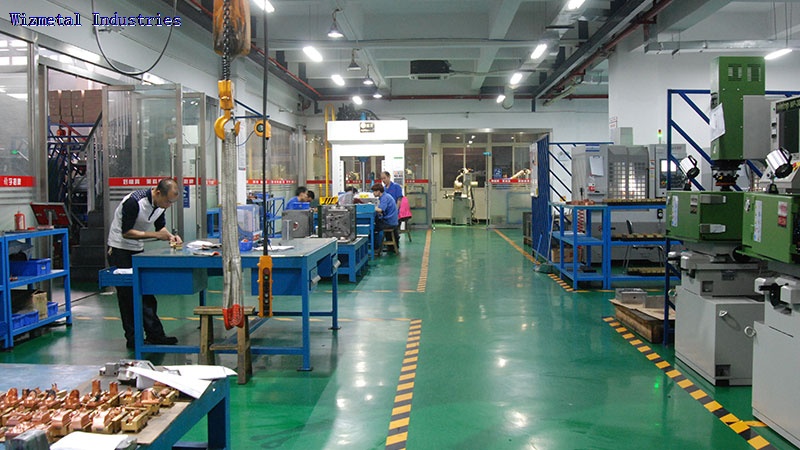
    The foundation of a successful import project is rigorous supplier verification. Moving beyond Alibaba listings and attractive websites is non-negotiable. Begin with a multi-faceted due diligence approach. First, verify business licenses and export credentials through official channels. Second, insist on a virtual or, ideally, an in-person factory audit. A reputable China mold factory will readily facilitate this. During the audit, focus on their engineering team’s expertise, the age and maintenance of their CNC, EDM, and CMM equipment, and their in-house capabilities for mold flow analysis. Crucially, request and contact references from their existing overseas clients, specifically those in your industry. Ask detailed questions about communication, problem-solving, and post-sales support. This step moves you from a transactional buyer to a strategic partner by filtering out trading companies and identifying manufacturers with a proven track record in producing reliable injection molds.

    Once a qualified supplier is shortlisted, the precision of your technical communication will directly determine the quality of the final product. The procurement phase is where ambiguity becomes your greatest enemy. Develop a comprehensive and unambiguous Technical Specification Document. This should go beyond basic part drawings to include: detailed material specifications (steel grade, hardness, certifications), tolerance requirements for critical features, surface finish specifications (SPI/VDI standards), a complete bill of materials for mold components (like brand of cylinders and hot runners), and expected cycle time for the injection mold process. Clearly define the deliverables: 3D mold design for approval, 2D detailed drawings, and a sample timeline with milestone reviews. Using this document as the contractual basis ensures both parties share a single source of truth, minimizing costly misunderstandings and revisions later in the project.

    Proactive quality control is not an inspection event; it is a process integrated from design to delivery. For a precision mold, this means implementing staged QC checkpoints rather than a single final inspection. Mandate and review a DFM (Design for Manufacturability) report before steel is cut. The next critical checkpoint is the First Article Inspection (FAI) after the mold is trialed. Your supplier should provide a comprehensive trial report including photos, videos of the molding process, and dimensional measurement results from the CMM report on the produced samples. For high-value projects, engage a trusted third-party quality inspection firm in China to conduct an on-site Pre-Shipment Inspection (PSI) at the factory. They will verify the mold’s construction against your specifications, test its function, and check the quality of the initial sample parts. This layered approach de-risks the project by catching issues early, when they are less expensive and time-consuming to correct.

    The landscape of precision mold manufacturing in China is continuously evolving. For 2026 and beyond, leading suppliers are differentiating themselves through digital integration and advanced service offerings. Look for factories that utilize cloud-based project management platforms, allowing you to track progress, view design iterations, and share feedback in real-time. Furthermore, consider partners who offer more than just mold building. Many top-tier suppliers now provide integrated services such as initial low-volume production runs, post-mold maintenance packages, and even warehousing for spare components. This turnkey approach can streamline your entire supply chain. When evaluating potential partners, inquire about their investment in Industry 4.0 technologies, such as IoT-enabled machines for predictive maintenance, as this indicates a commitment to consistency and long-term reliability in their injection mold production.

    Securing a successful partnership ultimately hinges on navigating cultural and contractual nuances with clarity. Establish clear payment terms linked to project milestones (e.g., 30% upon order, 40% after design approval, 30% after sample approval). A well-drafted contract should explicitly cover intellectual property rights, warranty terms (typically 12-18 months for a precision mold), liability for design errors, and protocols for handling deviations from the specification. Culturally, foster open and respectful communication. Be precise in your requirements but understand that building a collaborative relationship often yields better problem-solving outcomes than a purely adversarial stance. Regular video conferences can bridge the geographical gap and build stronger rapport than email alone.

    Importing a precision mold from China in 2026 demands a strategic, informed approach that prioritizes deep verification and embedded quality control. By meticulously vetting your China mold factory, mastering technical communication, implementing staged inspections, and leveraging modern digital tools, you transform the procurement process from a risky venture into a competitive advantage. The goal is to move beyond finding a supplier to cultivating a manufacturing partner who is an extension of your own engineering team. With this disciplined framework, overseas buyers can confidently tap into China’s manufacturing excellence, securing not just a tool, but a foundation for product quality and market success for years to come.

    Work With Us

    As a professional China mold manufacturer, we provide one-stop mold solution for overseas buyers.
    📞 Phone: +86-18605944639
    💬 WhatsApp: +8618605944639
    🌐 Website: bestmoldworks.com
    📧 Email: [email protected]
  • custom plastic injection molded parts: Professional Buy 2026

    For overseas buyers, sourcing custom plastic injection molded parts represents a significant opportunity to achieve cost efficiency, scalability, and design flexibility. China remains the global epicenter for mold manufacturing and injection molding services, offering an unparalleled combination of technical expertise and competitive pricing. However, a successful procurement strategy in 2026 requires more than just finding the lowest quote. It demands a professional, systematic approach to navigate the complexities of international supply chains, evolving technology, and quality assurance. This guide is designed to equip you with actionable insights to streamline your procurement process and build a reliable partnership with a qualified China mold factory.

    The cornerstone of a successful import project is rigorous supplier verification. Moving beyond Alibaba listings and initial email correspondence is non-negotiable. Start by conducting a thorough audit of potential suppliers. Request detailed company profiles, inquire about their primary industries served, and ask for a portfolio of past projects similar to your custom plastic injection molded parts. A critical step is to verify business licenses and, ideally, conduct a virtual factory audit via video call. This allows you to assess their machinery, workshop organization, and engineering capabilities firsthand. In 2026, leveraging professional third-party verification services for an on-ground check is a prudent investment for high-value projects. Remember, a professional supplier will be transparent and willing to provide this information, viewing it as a step toward a serious partnership.

    Once a potential partner is shortlisted, the focus shifts to technical clarity and project alignment. The most common point of failure in procuring an injection mold is ambiguous or incomplete communication of specifications. To prevent costly revisions and delays, provide a comprehensive package. This should include detailed 3D CAD files (STEP or IGS), 2D drawings with GD&T tolerances, material specifications (including grade and color), and expected annual volumes. Discuss mold life expectancy—whether you need a prototype mold for 10,000 shots or a production mold for over a million cycles. A professional China mold factory will review your design for manufacturability (DFM). A competent partner will provide a formal DFM report, suggesting modifications to wall thickness, rib design, or draft angles that can significantly improve moldability, reduce part cost, and enhance quality. Embrace this collaborative engineering phase.

    Proactive quality control is not an option; it is an integral part of the procurement process that must be contractually defined. Agree on a Quality Control Plan before order placement. This plan should specify critical checkpoints: First Article Inspection (FAI) using the initial parts from the approved mold, Dimensional Reports using CMM (Coordinate Measuring Machine) data, and material certification tests. For ongoing production, define the frequency and sampling size for pre-shipment inspections. Many buyers now insist on process qualification runs where a batch of parts is produced, inspected, and approved before full-scale production commences. Consider engaging a local third-party quality inspection firm to conduct these checks on your behalf. This layer of oversight provides an objective assessment and ensures that the agreed-upon standards for your custom plastic injection molded parts are met consistently, safeguarding your brand reputation.

    Managing logistics, intellectual property, and the total cost of ownership completes the professional procurement cycle. Understand Incoterms 2020 clearly—deciding between FOB, EXW, or CIF has major implications for cost, control, and risk. For molds, secure shipping via air freight or specialized courier is often recommended for speed and safety. Intellectual property protection is a valid concern. A robust Non-Disclosure Agreement (NDA) and a product confidentiality agreement should be signed. While absolute guarantees are complex internationally, working with established, reputable suppliers who value long-term relationships is your best defense. Finally, analyze the Total Cost of Ownership (TCO). The cheapest injection mold can become the most expensive if it leads to high scrap rates, frequent breakdowns, or poor part quality. Evaluate the supplier’s overall capability, communication efficiency, and willingness to solve problems, as these factors greatly impact long-term project success and cost.

    Importing injection molds and the subsequent custom plastic injection molded parts from China in 2026 is a venture defined by strategic partnership rather than simple transactional purchasing. The landscape rewards buyers who invest time in thorough supplier verification, embrace technical collaboration during the DFM stage, implement structured quality control protocols, and plan for the entire supply chain. By adopting this professional, detail-oriented approach, you transform the procurement process from a potential source of risk into a powerful competitive advantage. The goal is to establish a relationship with a China mold factory that acts as an extension of your own engineering and production team, delivering consistent quality and value for years to come.

    Work With Us

    As a professional China mold manufacturer, we provide one-stop mold solution for overseas buyers.
    📞 Phone: +86-18605944639
    💬 WhatsApp: +8618605944639
    🌐 Website: bestmoldworks.com
    📧 Email: [email protected]
  • custom plastic mold Manufacturerturer near me: Ultimat 2026

    For overseas buyers, the search for a “custom plastic mold manufacturer near me” often leads to a critical realization: the most competitive solutions in terms of expertise, scalability, and cost are frequently found not locally, but across the globe. In 2026, the paradigm has shifted. “Near me” is no longer a geographic constraint but a measure of logistical ease, communication transparency, and supply chain reliability. This guide is designed for procurement specialists, engineers, and business owners looking to navigate the complexities of importing high-quality injection molds from China. We move beyond simple directory listings to provide a strategic framework for building a successful and dependable partnership with a China mold factory.

    The core challenge in overseas procurement is not finding a manufacturer, but verifying and managing a reliable one. The risks of poor communication, hidden costs, and substandard quality are real. However, with a systematic approach to supplier verification and project management, these risks are entirely manageable. The goal is to transform a distant factory into a transparent and responsive extension of your own operations. The following actionable strategies are tailored for the 2026 landscape, where digital tools and professionalized processes have made cross-border mold manufacturing more accessible than ever.

    Your first and most critical step is rigorous supplier verification. Cast a wide net using B2B platforms like Alibaba or Made-in-China, but treat these as starting points, not final destinations. Scrutinize online profiles for genuine certifications like ISO 9001 and IATF 16949 for automotive molds. However, true verification goes deeper. Request detailed portfolios of past projects, specifically for injection molds similar in size and complexity to yours. Insist on a video conference to tour the factory floor virtually; a reputable China mold factory will readily agree. Check for active participation in international trade shows and request contactable references from past overseas clients. This due diligence filters out trading companies and identifies true manufacturing partners with proven export experience.

    Once a shortlist is established, mastering the technical and commercial quotation process is key. When you request a quote, provide an exceptionally clear RFQ package. This should include not just a 3D model, but a comprehensive specification document covering material type, expected annual volume, cavity requirements, surface finish, tolerance levels, and part usage. This clarity prevents misunderstandings and allows for accurate comparisons. Be wary of quotes that are significantly lower than the market average; this often signals corner-cutting on steel quality, component standards, or engineering time. Discuss the mold trial process, sampling costs, and payment terms upfront. A professional supplier will break down costs and propose a stage-based payment plan tied to project milestones, protecting both parties.

    Proactive quality control is non-negotiable and must be planned from day one. Do not assume quality will be managed at the final inspection. Instead, integrate QC checkpoints throughout the manufacturing cycle. Define and agree upon Critical-to-Quality dimensions and inspection methods with your supplier before work begins. For larger investments, consider hiring a third-party inspection company in China for key stages: after the mold design review, after the first T1 sample, and for the pre-shipment audit. This provides an objective assessment of the injection mold’s conformity. Furthermore, insist on a detailed mold trial report with photos and videos of the sampling process, including data on cycle times, process parameters, and part measurements. This documentation is vital for future production runs and troubleshooting.

    Finally, view this not as a one-off transaction but as a partnership for long-term value. A reliable custom plastic mold manufacturer near me, in the modern sense, is one that offers consistent communication and post-sales support. Establish clear primary and secondary contacts on both sides, and agree on regular update schedules. Discuss their policy on mold maintenance, repair, and future modifications. A forward-thinking partner will also advise on design for manufacturability, suggesting tweaks that can reduce mold cost and improve part quality and cycle time. Building this collaborative relationship ensures that your initial procurement success translates into sustained competitive advantage, allowing for efficient scaling and new product development.

    In conclusion, the search for a custom plastic mold manufacturer in 2026 is strategically global. By redefining “near me” to prioritize operational closeness over physical distance, overseas buyers can unlock unparalleled value. The pathway to success lies in a disciplined, four-pillar approach: exhaustive supplier verification, crystal-clear technical communication, embedded quality control protocols, and a commitment to long-term partnership. By following this framework, your procurement journey will lead you to a Chinese injection mold supplier that delivers not just a tool, but reliability, quality, and a foundation for your product’s success in the global marketplace.

    Work With Us

    As a professional China mold manufacturer, we provide one-stop mold solution for overseas buyers.
    📞 Phone: +86-18605944639
    💬 WhatsApp: +8618605944639
    🌐 Website: bestmoldworks.com
    📧 Email: [email protected]

  • Mold for silicon parts: Best Suppliers & Quality Cont 2026

    For overseas buyers and product developers, sourcing a high-precision mold for silicon parts represents a critical step in bringing innovative products to market. From medical devices and automotive components to consumer goods and kitchenware, the quality of the silicone part is intrinsically linked to the quality of the tool that creates it. China remains the global epicenter for mold manufacturing, offering a compelling combination of advanced technical capability and cost-effectiveness. However, navigating this vast market to secure a reliable China mold factory requires a strategic and informed approach. This guide is designed to provide actionable, real-world strategies for your procurement journey, focusing on identifying the best suppliers and implementing rigorous quality control for success in 2026 and beyond.

    The foundation of a successful import project lies in meticulous supplier verification. Moving beyond simple online directories is crucial. Begin by identifying manufacturers with demonstrable expertise in silicone or Liquid Silicone Rubber (LSR) injection mold technology, which differs significantly from standard plastic injection mold processes. Scrutinize their portfolio for projects similar in complexity and industry to yours. A professional supplier will readily provide detailed case studies. The verification process must include a review of business licenses, export history, and certifications relevant to your target market, such as ISO 9001. However, the most critical step is direct engagement: initiate video calls to tour the factory floor virtually. Assess their machinery, cleanliness standards, and engineering team’s ability to discuss flow fronts, venting, and curing parameters specific to silicone. This due diligence separates true specialists from general workshops.

    Once a shortlist of potential partners is established, shifting the focus to technical collaboration and transparent communication is vital. The design phase of your mold for silicon parts is where most quality issues can be prevented. Provide your chosen China mold factory with a comprehensive and approved 3D model of the final silicone part, along with material specifications (Shore hardness, viscosity, etc.). A competent engineering team will then conduct a Design for Manufacturability (DFM) analysis, offering feedback on draft angles, parting lines, gate locations, and ejection strategies optimized for silicone’s unique properties. Embrace this collaborative feedback; it is a sign of a proactive partner, not an incapable one. Clearly define all communication protocols, primary contacts for technical and commercial discussions, and regular update schedules to ensure alignment throughout the 8–12-week typical development timeline.

    Proactive quality control is non-negotiable and must be structured into the procurement contract from the outset. Do not assume standards; define them. Your agreement should specify critical dimensions, surface finish requirements (often a SPI A1 or A2 finish for silicone), mold material (pre-hardened steels like NAK80 or S136 for corrosion resistance), and the protocol for First Article Inspection (FAI). Insist on witnessing the initial sample trials, either in person or via live-streamed sessions. During the Trial Run Report (TRR), evaluate not just the conformity of the silicone parts but also the mold’s performance: cycle time, flash, ease of demolding, and consistency. Many leading suppliers now offer integrated quality control packages, including 3D scanning (CMM) reports and material certification for traceability. Investing in these verifications upfront prevents costly mold rework and production delays later.

    Understanding the total cost of ownership, rather than just the initial quotation, is a hallmark of sophisticated procurement. While the upfront tooling cost is significant, it is a capital investment. Evaluate quotes based on the mold’s lifespan, maintenance requirements, and the per-part cost it will yield. A cheaper mold for silicon parts, built with inferior steel or simplified cooling, may wear prematurely or cause longer cycle times, erasing any initial savings over high-volume production. Discuss post-sales support explicitly: what is the warranty period? How are repair and maintenance handled? Who owns the mold design? Clarity on these points secures your long-term supply chain. Furthermore, consider logistical planning early—factor in shipping, import duties, and the potential need for local mold maintenance or storage. A reliable partner will assist with export documentation and packaging designed to protect the precision asset during transit.

    As we look toward 2026, the landscape is defined by technological integration and sustainability. Leading Chinese mold factories are increasingly adopting Industry 4.0 practices. Inquire about their use of simulation software for mold flow analysis specific to LSR, which predicts filling patterns and potential defects before steel is cut. The integration of IoT sensors in molds for real-time performance monitoring is also an emerging trend. Simultaneously, environmental compliance is becoming a key differentiator. Suppliers adhering to international environmental management standards (ISO 14001) and utilizing efficient manufacturing processes not only future-proof your supply chain but also align with the values of global markets. Partnering with a forward-thinking manufacturer who invests in these areas ensures your tooling remains competitive and compliant.

    In conclusion, successfully importing a high-quality mold for silicon parts from China in 2026 is a structured process of partnership, not just a transaction. It begins with rigorous supplier verification to find a true specialist, flourishes through collaborative design and transparent communication, and is secured by embedding proactive quality control measures into every phase. By focusing on total cost of ownership and aligning with suppliers embracing technological and sustainable advancements, overseas buyers can transform the complexity of international procurement into a reliable competitive advantage. The result is more than a tool; it is the foundation for a consistent, high-quality silicone product line that meets the exacting standards of the global market.

    Work With Us

    As a professional China mold manufacturer, we provide one-stop mold solution for overseas buyers.
    📞 Phone: +86-18605944639
    💬 WhatsApp: +8618605944639
    🌐 Website: bestmoldworks.com
    📧 Email: [email protected]

  • custom molded plastic parts: Expert Tips & Solutions 2026

    For overseas buyers, sourcing custom molded plastic parts represents a significant opportunity to achieve cost efficiency, rapid prototyping, and scalable production. China remains the global epicenter for mold manufacturing and injection molding, offering unparalleled expertise and value. However, navigating this complex landscape requires a strategic approach to mitigate risks and ensure project success. This guide provides expert tips and forward-looking solutions for 2026, designed to help you procure high-quality custom molded plastic parts with confidence and clarity.

    The foundation of a successful project lies in meticulous supplier verification. Moving beyond simple online directories is crucial for 2026. Begin with a deep-dive analysis of a potential China mold factory. Scrutinize their official business licenses and export credentials. Utilize video conferencing for virtual factory tours, insisting on live walks through their mold workshop and injection molding floors. Pay close attention to the machinery; modern, well-maintained CNC, EDM, and injection molding machines are non-negotiable for precision. Furthermore, request and contact past international clients. A reputable supplier will have a portfolio and references from buyers in your region or industry. This step filters out trading companies masquerading as manufacturers and ensures you engage with a partner possessing genuine engineering capability.

    Once a qualified partner is identified, mastering the technical and commercial dialogue is your next critical phase. Effective procurement hinges on providing exhaustive design data. Supply not just 3D CAD files (STEP or IGS formats are preferred), but also a comprehensive technical specification sheet. This document should detail the intended polymer resin, critical tolerances, surface finish requirements (SPI standards), color specifications, and expected annual volumes. Discuss mold steel selection (such as pre-hardened 718H or corrosion-resistant S136) and mold life expectancy upfront. For the injection mold itself, clarify ownership, maintenance responsibilities, and storage terms. Transparent communication about these elements prevents costly misunderstandings and establishes a professional framework for quoting and development.

    Implementing a robust quality control protocol from the outset is what separates successful long-term partnerships from failed transactions. Do not assume quality; build it into the process. For 2026, insist on a staged inspection plan. This should include a First Article Inspection (FAI) report after initial sample parts are produced from the approved mold. Key metrics like dimensional accuracy (verified with CMM reports), material certification, and cosmetic appearance must be validated. For production runs, define your Acceptable Quality Level (AQL) and require pre-shipment inspections conducted by a third-party agency or your own appointed representative. Many leading China mold factories are now equipped with in-house metrology labs; verify their equipment and calibration certificates. Proactive quality control is an investment that safeguards your brand and reduces the risk of receiving non-conforming goods.

    Navigating logistics and fostering a strategic partnership are the final pillars for sustainable success. Understand the full Incoterms 2020 implications of your agreement. Whether it’s FOB, EXW, or DAP, clarify responsibilities for mold shipment, production batch logistics, and insurance. For the molds themselves, consider professional crating and tracking. On the partnership front, view your supplier as an extension of your engineering team. The goal for 2026 is to move beyond a transactional relationship. Schedule regular technical reviews, share your product roadmap, and discuss process optimization. A collaborative approach encourages your supplier to invest in the relationship, often leading to innovations in design for manufacturability (DFM) suggestions that reduce part cost and improve performance.

    Securing reliable custom molded plastic parts from China in 2026 demands a blend of diligent verification, technical clarity, and quality integration. By treating supplier selection as a critical audit, communicating with precision, enforcing rigorous quality gates, and building a collaborative partnership, you transform the inherent complexities of overseas procurement into a competitive advantage. The landscape is evolving, and buyers who adopt these professional, solution-oriented strategies will not only mitigate risks but also unlock the full potential of China’s manufacturing excellence, ensuring a streamlined supply of high-quality injection molded components for years to come.

    Work With Us

    As a professional China mold manufacturer, we provide one-stop mold solution for overseas buyers.
    📞 Phone: +86-18605944639
    💬 WhatsApp: +8618605944639
    🌐 Website: bestmoldworks.com
    📧 Email: [email protected]

  • custom molds for aluminum: Ultimate Guide for Buyers 2026

    For overseas buyers, sourcing custom molds for aluminum represents a critical strategic decision. It offers unparalleled potential for cost efficiency and manufacturing scalability, yet the path is fraught with challenges if navigated incorrectly. The difference between a successful, long-lasting production tool and a costly, delayed project often lies in the procurement process. This guide for 2026 cuts through the noise to provide a professional, actionable framework for engaging with a China mold factory. We focus on solving real problems—from supplier verification to final quality control—ensuring your investment in an aluminum injection mold drives value for years.

    Mastering Supplier Verification and Selection

    The foundation of a successful import is selecting the right partner. In 2026, verification goes far beyond a simple website check. Begin with a deep-dive into the supplier’s specialization. A factory claiming to make “molds” may not have proven expertise in aluminum die-casting or high-pressure aluminum injection mold tooling. Scrutinize their project portfolio for components similar to yours in size, complexity, and alloy type. Utilize video verification tours to inspect their workshop floor; look for modern CNC machining centers, EDM (Electrical Discharge Machining) equipment, and dedicated mold trial presses. Crucially, verify their engineering team’s capability. Can they engage in Design for Manufacturability (DFM) analysis? A competent China mold factory will proactively suggest design optimizations to improve part quality, reduce weight, and extend mold life, proving they are a technical partner, not just a machining shop.

    Navigating the Technical Procurement Process

    Effective procurement is a detailed, collaborative process. Start with a comprehensive Request for Quotation (RFQ). This must include not just 3D part files (STEP or IGES), but also critical specifications: target annual volumes, aluminum alloy type (e.g., A380, ADC12), required part tolerances, surface finish requirements (e.g., SPI standards), and expected mold life (number of shots). This clarity prevents misunderstandings. During quotation analysis, be wary of prices that seem too good to be true; they often indicate corner-cutting on steel quality (like using inferior H13 steel), heat treatment, or cooling channel engineering. Insist on a detailed breakdown covering mold base, cavity/core steel grade, hot runner system (if applicable), and all post-processing. Schedule a technical review meeting to discuss the proposed mold flow analysis, which simulates molten aluminum filling to predict potential defects, ensuring issues are solved digitally before steel is cut.

    Implementing Rigorous In-Process Quality Control

    Quality is built into the mold, not inspected at the end. For overseas buyers, establishing clear, staged inspection milestones is non-negotiable. These typically include: a First Article Inspection (FAI) of the mold base and materials certificates, a critical pre-hardening inspection of the machined cavities and cores, and a final Trial Sample Approval (TSA). Partner with a reputable third-party quality inspection firm located near the factory to conduct these inspections. They will verify dimensions using CMM (Coordinate Measuring Machine) reports, check the hardness of heat-treated components, and inspect the polish and texture of mold surfaces. The most critical phase is the mold trial. You or your representative must be present (physically or via live stream) to witness the first shots. Evaluate the resulting aluminum parts for dimensional accuracy, porosity, surface finish, and ejection performance. This stage is your final opportunity to request adjustments before the tool is shipped.

    Managing Logistics, Communication, and Long-Term Partnership

    The journey doesn’t end at factory acceptance. Discuss incoterms (EXW, FOB, CIF) explicitly to clarify responsibilities and costs for shipping, insurance, and customs clearance. Molds are heavy, high-value items; ensure proper crating and insurance are in place. Establish clear protocols for communication, including a primary technical contact and project manager on the supplier side, using platforms like email or professional project management tools for traceability. Discuss post-sales support upfront: What is the warranty period (typically 1-2 years)? How are repair or maintenance requests handled? Can they store your mold and provide production services later? A reliable supplier will view the delivery of your custom molds for aluminum as the beginning of a long-term relationship, offering ongoing support to ensure your production remains efficient and competitive.

    Conclusion

    Importing custom molds for aluminum from China in 2026 demands a blend of technical diligence, structured process management, and clear communication. By mastering supplier verification, engaging deeply in the technical procurement, enforcing staged quality control, and planning for the long-term logistics and partnership, overseas buyers can mitigate risks and unlock significant advantages. The goal is to transform this complex undertaking from a perceived gamble into a strategic, value-driven operation. Your chosen China mold factory should ultimately function as a seamless extension of your own engineering and production team, delivering not just a tool, but a cornerstone for your manufacturing success. With this guide as your framework, you are equipped to make informed decisions and build a supply chain that is robust, reliable, and ready for the future.

    Work With Us

    As a professional China mold manufacturer, we provide one-stop mold solution for overseas buyers.
    📞 Phone: +86-18605944639
    💬 WhatsApp: +8618605944639
    🌐 Website: bestmoldworks.com
    📧 Email: [email protected]

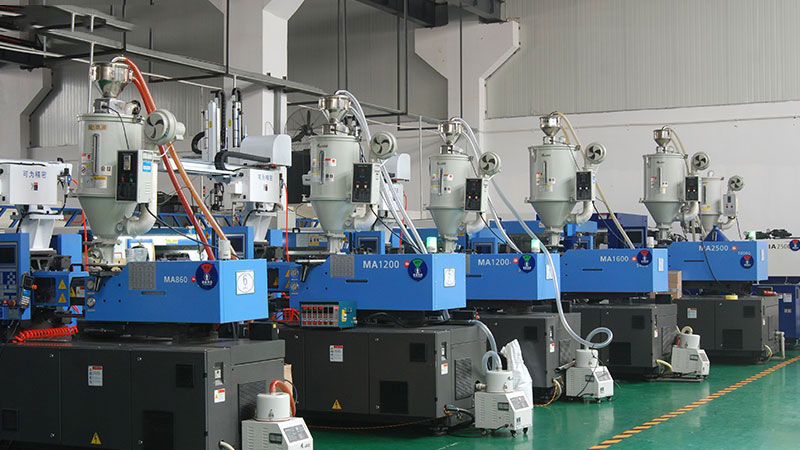
  • injection moulding machine manufacturers in china: Prof 2026

    For overseas buyers, the decision to import molds from China remains one of the most impactful strategies for achieving cost efficiency and scaling production. However, the landscape is evolving rapidly. The narrative has shifted from merely finding the lowest price to securing a reliable, technologically advanced partner who can deliver precision, consistency, and innovation. This is where understanding the ecosystem of **injection moulding machine manufacturers in China** becomes a critical, yet often overlooked, component of your **procurement** success. Your chosen **China mold factory** is only as capable as the machinery that brings your **injection mold** designs to life. This guide for 2026 focuses on actionable strategies to navigate this complex field, ensuring your partnership is built for profitability and quality.

    Prioritize Technological Capability and Machine Compatibility

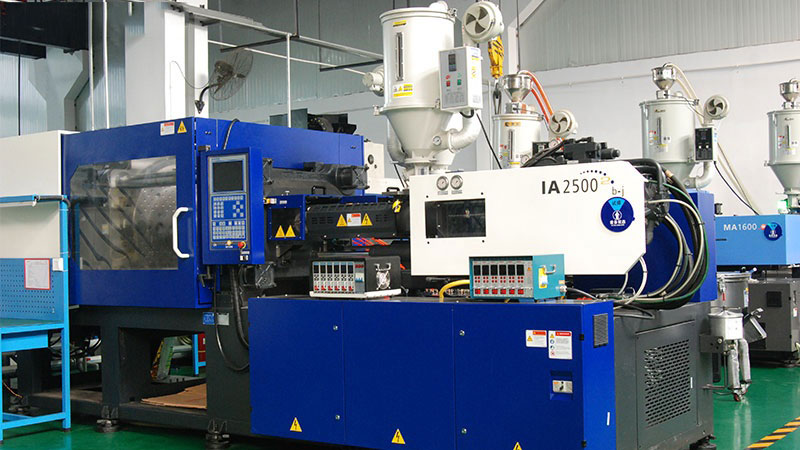
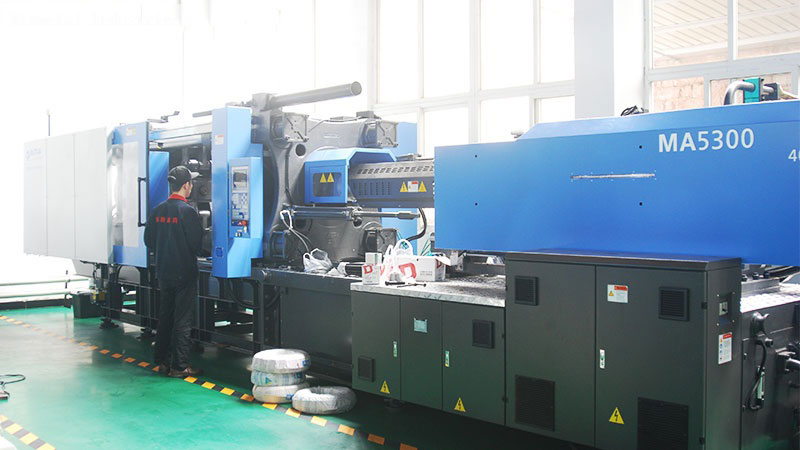
    The first practical step is to move beyond basic specifications. In 2026, leading **injection moulding machine manufacturers in China** are competing on smart manufacturing integration, energy efficiency (all-electric and hybrid machines), and precision repeatability. When vetting a potential **China mold factory**, your dialogue must include the makes and models of their primary injection machines. Inquire about their investment cycle—factories regularly updating to newer Haitian, ENGEL, or Yizumi models signal a commitment to quality. More importantly, discuss your specific project. A factory with machines perfectly sized for your part’s shot volume and clamp force will produce more consistent results with less material waste. Actionable tip: Request a video tour of their production floor, specifically asking them to showcase machines running a project similar in complexity to yours. Observe the automation level—robotic part removal is now a standard expectation for consistent cycle times and reduced manual handling defects.

    Implement a Multi-Layered Supplier Verification Process

    Verification is your most powerful risk mitigation tool. In the digital age, a professional website is a given, not a differentiator. Your **supplier verification** process must be deeper. Start with official business registration checks via platforms like Tianyancha to confirm legal entity status and capital. However, the core of verification lies in third-party audits. For critical projects, insist on an on-site audit conducted by a trusted third-party quality inspection firm based in China. They will assess not just the machinery, but also the supporting infrastructure: mold maintenance protocols, temperature control units, and the skill level of technicians. Furthermore, scrutinize their quality management certifications. ISO 9001 is baseline; ISO 13485 for medical or IATF 16949 for automotive components are strong indicators of a mature process control system. Actionable tip: Always ask for and contact at least two references from clients in your region or industry. A confident supplier will provide these, and a conversation with a peer buyer will yield invaluable, unfiltered insights into reliability and communication.

    Integrate Quality Control from Design to First Article Inspection

    Quality cannot be inspected into a part; it must be molded in. Your **quality control** strategy must be collaborative and staged. Begin with a comprehensive Design for Manufacturability (DFM) review. A competent factory will provide detailed feedback on your mold design, suggesting gate locations, ejection systems, and draft angles to improve manufacturability and part longevity. Agree on Critical-to-Quality (CTQ) dimensions and measurable standards upfront, documented in a shared Product Specification Sheet. During mold manufacturing, mandate milestone inspections: core/cavity steel inspection, T1 sample mold trial, and a rigorous First Article Inspection (FAI). The most reliable partners will provide full-dimensional reports with Cpk analysis for critical dimensions from the initial samples, demonstrating process capability. Actionable tip: Reserve a portion of the payment until after successful pre-shipment sample approval. This aligns incentives and ensures the factory remains engaged through the final **quality control** gate before mass production.

    Master Communication and Intellectual Property Protection

    Clear, structured communication is the glue that binds technical capability to successful outcomes. Establish a single point of contact on the supplier side who is technically fluent, but also utilize project management tools. Shared cloud folders for drawings, signed documents, and inspection reports prevent version confusion. Regarding Intellectual Property (IP), concerns are valid but manageable. A robust IP protection clause in your contract, specifying jurisdiction, is essential. However, practical steps are more powerful. Work with factories that serve diverse, non-competing international clients—their reputation depends on discretion. For proprietary designs, consider splitting mold manufacturing and final production, or manufacturing core components in-house. Actionable tip: Use a Non-Disclosure Agreement (NDA) and a detailed mold ownership agreement signed before releasing any technical data. Stipulate that all molds, designs, and associated tooling are your exclusive property, with serial numbers physically engraved on the mold for identification.

    Plan for Total Cost of Ownership and Long-Term Partnership

    The most profitable sourcing decisions in 2026 will be calculated on Total Cost of Ownership (TCO), not just unit price. A slightly higher initial mold cost from a factory with superior machines and engineering can save vast sums in reduced downtime, fewer mold repairs, and consistent part quality. Discuss maintenance support: Will they provide spare part lists and maintenance manuals for the **injection mold**? What is their response time for troubleshooting? View your chosen partner as an extension of your engineering team. A factory invested in a long-term relationship will proactively suggest material alternatives for cost-saving or performance enhancement and keep you informed of new technologies that could benefit your products. Actionable tip: Structure contracts to incentivize ongoing performance. Consider multi-project frameworks or annual agreements that reward consistent quality with more business, fostering a true partnership mindset.

    Conclusion

    Importing molds from China in 2026 is a sophisticated endeavor that demands a strategic, informed approach. The profitability of your project is inextricably linked to the capabilities and reliability of your manufacturing partner, whose core is defined by their injection molding machinery and the processes around it. By focusing on technological compatibility, executing thorough **supplier verification**, embedding **quality control** throughout the process, managing communication and IP proactively, and evaluating total cost, you transform **procurement** from a transactional cost center into a strategic competitive advantage. The goal is no longer just to find a supplier, but to build a collaborative alliance with a **China mold factory** whose technical prowess and business ethos align with your vision for quality and growth in the years to come.

    Work With Us

    As a professional China mold manufacturer, we provide one-stop mold solution for overseas buyers.
    📞 Phone: +86-18605944639
    💬 WhatsApp: +8618605944639
    🌐 Website: bestmoldworks.com
    📧 Email: [email protected]