Blog

  • custom injection mold maker: Reliable Manufacturers Gu 2026

    For overseas buyers and product developers, sourcing a custom injection mold maker is one of the most critical and high-stakes decisions in the manufacturing journey. The mold is the foundation of your entire production run, dictating product quality, consistency, and ultimately, your time-to-market and profitability. As we look toward 2026, the landscape of manufacturing in China continues to evolve, offering unparalleled expertise and value, yet navigating it requires updated knowledge and strategic precision. This guide is designed to cut through the noise and provide you with actionable, professional strategies for identifying and partnering with reliable Chinese mold manufacturers who can deliver precision, quality, and a seamless procurement experience.

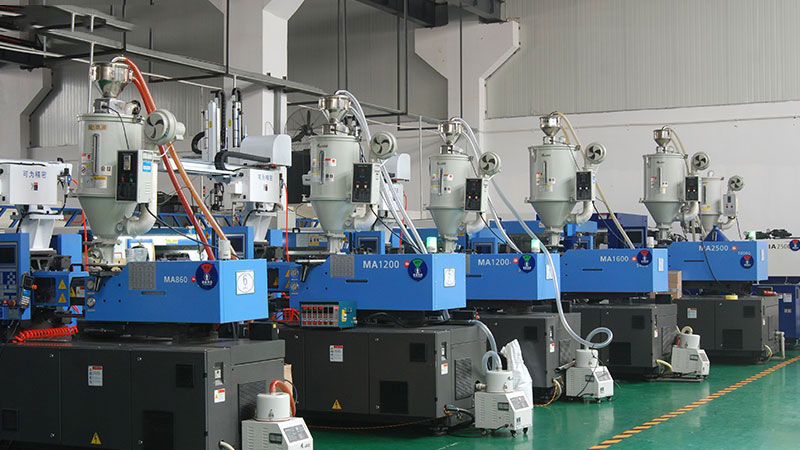
    The cornerstone of a successful partnership begins long before a quote is requested. It starts with rigorous supplier verification. In 2026, due diligence must go beyond a simple website check. A credible China mold factory should be transparent about its capabilities. Start by verifying business licenses and export credentials. Then, delve into technical competence. Request detailed case studies or portfolios showcasing molds for products similar in size, complexity, and material to your project. A reliable custom injection mold maker will readily provide these. Furthermore, insist on a live video tour of their facility. This allows you to visually assess their machinery, such as CNC machining centers, EDM equipment, and mold testing presses, and observe their workshop organization and cleanliness, which are strong indicators of their operational standards and quality culture.

    Once a potential partner is shortlisted, the focus shifts to the technical and commercial blueprint of your project: the Request for Quotation and the contract. Providing an exceptionally clear and detailed RFQ is non-negotiable. Include not only part drawings but also specifications for mold steel type, expected lifespan, tolerances, surface finish requirements, and gate type. Clearly state all deliverables: are 3D mold designs, DFM reports, and sample parts included? This clarity prevents misunderstandings and ensures all quotes are based on the same parameters, allowing for an accurate comparison. The contract must explicitly detail payment terms, a phased project timeline with milestones, intellectual property ownership clauses, and procedures for handling design changes. A professional manufacturer will welcome this clarity as it protects both parties.

    The most significant concern for any overseas buyer is maintaining quality control across continents. Proactive and structured quality control is your most powerful tool. Do not wait until the final inspection. Implement a staged inspection protocol. Key checkpoints include a pre-production meeting to review the mold design, a First Article Inspection after initial sample parts are produced, and a final pre-shipment inspection of the finished mold. Partner with a third-party quality inspection service based in China to conduct these inspections on your behalf. They can verify critical aspects like mold dimensions, material certification, cavity polish, and the functionality of sliders and lifters. This independent verification provides an objective assessment and mitigates the risk of receiving a substandard injection mold that could cripple your production line.

    Effective communication and project management are the glue that holds the international procurement process together. Establish a single point of contact on both sides who possesses both technical understanding and language skills. Utilize collaborative tools for regular updates, such as shared cloud folders for design revisions and progress photos. Schedule weekly video conference calls to discuss progress, address concerns, and make timely decisions. A reliable supplier will not hide from communication; they will proactively provide updates and raise potential issues early. This collaborative approach transforms the relationship from a simple vendor transaction into a true partnership, where problems are solved together, ensuring the final mold meets all specifications and expectations.

    Finally, adopt a long-term partnership mindset. The goal is not to find the cheapest custom injection mold maker for a single order, but to identify a strategic manufacturing partner for 2026 and beyond. A trustworthy China mold factory invested in a lasting relationship will be more motivated to provide better pricing on future projects, prioritize your orders, and offer valuable insights for design optimization. Discuss their capacity for mold maintenance, repair, and future modifications. Their willingness to support the entire lifecycle of your tooling is a hallmark of a dependable partner. This long-term perspective maximizes your return on investment and builds a supply chain asset that provides competitive advantage.

    In conclusion, successfully importing a high-quality injection mold from China in 2026 demands a methodical approach built on verification, clarity, control, communication, and partnership. The market is vast, but by implementing these professional procurement strategies, you can confidently identify manufacturers who combine technical expertise with commercial integrity. The right partner will not only deliver a precision tool but will also become an extension of your team, ensuring your product vision is realized with reliability and excellence. Begin your search with these principles, and you will build a foundation for manufacturing success that endures.

    Work With Us

    As a professional China mold manufacturer, we provide one-stop mold solution for overseas buyers.
    📞 Phone: +86-18605944639
    💬 WhatsApp: +8618605944639
    🌐 Website: bestmoldworks.com
    📧 Email: [email protected]
  • create custom molds: Professional Buying Guide 2026

    For overseas businesses, the decision to create custom molds in China remains a powerful strategy for achieving cost efficiency, rapid prototyping, and scalable production. However, the landscape is evolving. Success in 2026 demands more than just finding the lowest quote; it requires a strategic, informed approach to procurement and partnership. This guide is designed to navigate you through the critical steps of engaging with a China mold factory, ensuring you secure high-quality tooling that delivers long-term value for your injection molding projects.

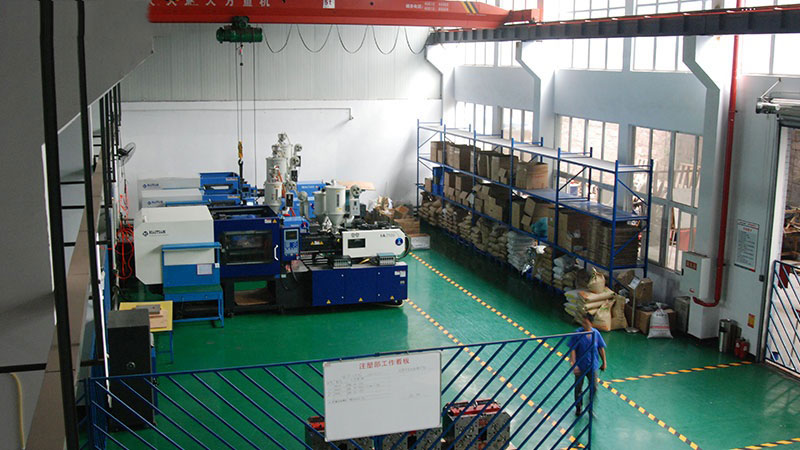
    The foundation of a successful project lies in meticulous supplier verification. Moving beyond Alibaba listings is crucial. Start by identifying manufacturers with demonstrable expertise in your specific industry, whether it be automotive components, medical devices, or consumer electronics. Scrutinize their portfolio for projects of similar complexity. A reputable China mold factory should willingly provide detailed case studies and client references. Initiate video calls to conduct virtual factory tours; observe the organization, machinery, and engineering team. Verify business licenses and export credentials. In 2026, leveraging professional third-party verification services for an on-ground audit is a highly recommended investment. This step filters out trading companies and unqualified workshops, connecting you directly with capable manufacturers.

    Once a shortlist is established, the technical procurement phase begins. Your ability to provide comprehensive, unambiguous design data is paramount. Supply fully detailed 3D CAD files (STEP or IGES) and 2D drawings with GD&T (Geometric Dimensioning and Tolerancing) clearly defined. Specify the exact material the mold must process, as this directly influences the mold steel selection, cooling channel design, and gate type. Discuss expected annual volumes and part lifecycle to determine the appropriate mold steel grade (e.g., P20, H13, Stainless Steel) and hardness. A professional partner will engage in a Design for Manufacturability (DFM) review, offering suggestions to simplify geometry, improve mold flow, and reduce cost without compromising function. This collaborative engineering stage is where significant value is added and future problems are prevented.

    Proactive quality control is non-negotiable and must be structured from the outset. Do not leave inspection until the final shipment. Define and agree upon critical quality checkpoints with your supplier. Typically, these include a First Article Inspection (FAI) after the mold trial, where sample parts are measured against your drawings using CMM (Coordinate Measuring Machine) reports. Request high-resolution photos and videos of the mold itself—checking for polish, texturing, and the functionality of sliders and lifters. For higher-value projects, engaging a local third-party QC agency to conduct an Initial Sample Inspection (ISI) or During Production Inspection (DPI) provides an objective assessment. Clearly outline acceptance criteria for part appearance, dimensions, and performance in your purchase order. This formalizes expectations and provides a benchmark for the injection mold’s approval.

    Managing logistics, cost, and intellectual property forms the final pillar of a secure engagement. Understand the full Incoterms 2020, with DAP (Delivered at Place) being a common and balanced choice for mold delivery. Ensure the China mold factory has experience in proper mold packaging—crating, desiccant, and rust prevention—for ocean freight. Regarding cost, while competitive pricing is a key advantage, be wary of quotes that seem unrealistically low. A detailed breakdown should include mold base, cavity/core steel, standard components (like HASCO or DME), hours for machining/EDM/polishing, and trial costs. Finally, address Intellectual Property protection contractually. A robust Non-Disclosure Agreement (NDA) is essential, and for utmost security, consider splitting the mold manufacturing between two separate factories for cavity and core. Registering your design in China provides an additional legal layer, a step increasingly taken by savvy overseas buyers.

    To create custom molds that truly empower your product’s success in 2026, the process must be viewed as a strategic engineering partnership, not merely a transactional purchase. By rigorously verifying your supplier, mastering the technical procurement dialogue, implementing staged quality control, and securing the commercial and legal framework, you transform potential risk into a formidable competitive advantage. The goal is to build a relationship with a Chinese mold manufacturer that is based on transparency, technical excellence, and mutual success, ensuring your injection mold investment yields precision, durability, and optimal part quality for years to come.

    Work With Us

    As a professional China mold manufacturer, we provide one-stop mold solution for overseas buyers.
    📞 Phone: +86-18605944639
    💬 WhatsApp: +8618605944639
    🌐 Website: bestmoldworks.com
    📧 Email: [email protected]
  • create custom moulds: Professional Buying Guide 2026

    For overseas businesses, the decision to create custom moulds in China represents a significant strategic advantage, offering unparalleled cost efficiency and manufacturing scalability. However, navigating this complex landscape requires more than just finding the lowest quote. The journey from concept to a high-quality, production-ready mold is fraught with potential pitfalls in communication, technical alignment, and quality assurance. This professional guide for 2026 is designed to cut through the noise, providing you with a structured, actionable framework to partner with a reliable China mold factory. We will move beyond basic advice to address the real challenges you face in procurement, supplier verification, and quality control, ensuring your investment delivers exactly as intended.

    The foundation of a successful project lies in meticulous preparation before you even contact a single supplier. The most critical step is developing a comprehensive and unambiguous technical data package. This goes beyond a simple 3D CAD file. Your package should include fully detailed 2D drawings with GD&T (Geometric Dimensioning and Tolerancing), specifications for mold steel (such as NAK80, S136, or P20), required surface finishes (SPI standards), cavity pressure expectations, and detailed part material specifications including shrinkage rates. Furthermore, provide a clear timeline with milestones for design review, T1 sample, and final approval. This level of detail not only demonstrates your professionalism but also allows every China mold factory you approach to quote on the exact same scope, eliminating ambiguity and enabling accurate comparisons. It is the single most effective tool to prevent costly misunderstandings and change orders later in the process.

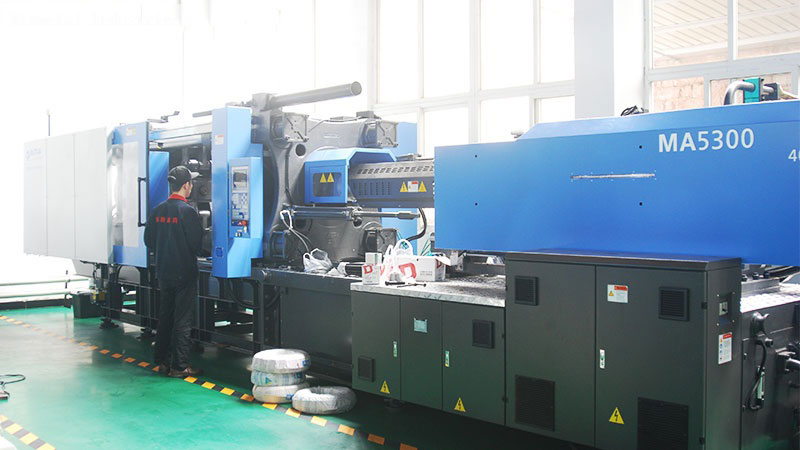
    With your technical package ready, the next phase is rigorous supplier verification. In 2026, due diligence must extend far beyond a website and a price list. Begin by verifying business licenses and export credentials. Then, conduct a deep-dive technical assessment: request to see case studies or samples of previous work on similar injection mold projects, particularly for your industry. Utilize video calls to conduct a virtual factory tour; insist on seeing their machining centers (EDM, CNC), mold trial workshops, and quality control labs. Critically, engage their engineering team in a technical discussion about your project. A competent partner will ask insightful questions about gate locations, ejection plans, cooling channel design, and potential sink marks. This process filters out trading companies and low-capacity workshops, identifying true engineering partners capable of creating the complex custom moulds your product requires.

    The procurement phase is where commercial and technical terms are solidified. Your request for quotation (RFQ) should be structured to capture all cost elements transparently. Be wary of quotes that seem unusually low; they often exclude essential items like mold flow analysis, T1 sample costs, or necessary certifications. A professional quote will break down costs for mold base, cavity and core machining, standard components (like HASCO or DME), and hourly rates for polishing and assembly. Clearly define payment terms—a common and balanced structure is 40% deposit, 50% after T1 sample approval, and 10% after final inspection before shipping. Crucially, the contract must include the approved technical data package as an exhibit, along with warranty clauses covering workmanship and durability for an agreed number of cycles. This formalizes the agreement and protects both parties.

    Active quality control is non-negotiable and must be planned from the outset. Do not adopt a “wait and see” approach until the first samples arrive. For significant investments, engage a reputable third-party inspection company in China for critical stage inspections. These typically include a First Article Inspection (FAI) of the finished mold cavity and core before assembly, and a pre-shipment inspection where the mold is tested on a press at the factory. The T1 sample run is your most important quality gate. Evaluate the samples against your master sample or CAD data using CMM reports, dimensional checks, and visual inspection for flaws. Document all deviations and require a formal corrective action plan from the supplier. Effective quality control for your injection mold is proactive, evidence-based, and ensures the tool meets all specifications before it leaves the factory floor, saving immense cost and time on rework after international shipment.

    Finally, view the partnership as a long-term strategic relationship, not a one-time transaction. A reliable China mold factory is an extension of your R&D and production team. Clear, consistent, and documented communication is vital. Appoint a single point of contact on both sides and use collaborative project management tools to track progress. Discuss future needs, such as mold maintenance, storage, and the potential for family molds for future product variants. A trustworthy partner will support you throughout the product lifecycle, offering insights on design for manufacturability (DFM) that can enhance quality and reduce cost on future projects. This collaborative mindset transforms a supplier into a true asset, providing sustained competitive advantage.

    In conclusion, to successfully create custom moulds in China in 2026, international buyers must adopt a disciplined, process-oriented approach. It begins with impeccable technical documentation, followed by thorough supplier verification that assesses both capability and cultural alignment. Procurement must be transparent and contractually sound, while quality control needs to be an integrated, ongoing activity, not a final box to tick. By implementing this professional framework, you mitigate the inherent risks of overseas manufacturing and unlock the full potential of China’s mold-making expertise. The goal is to secure not just a tool, but a capable manufacturing partner that delivers precision, reliability, and value, project after project.

    Work With Us

    As a professional China mold manufacturer, we provide one-stop mold solution for overseas buyers.
    📞 Phone: +86-18605944639
    💬 WhatsApp: +8618605944639
    🌐 Website: bestmoldworks.com
    📧 Email: [email protected]
  • injection mold china manufacturers: Ultimate Guide for 2026

    For overseas buyers, sourcing injection molds from China remains a strategic move to achieve significant cost savings, access advanced manufacturing capabilities, and accelerate product development cycles. However, navigating the vast landscape of suppliers presents well-known challenges: verifying legitimacy, ensuring consistent quality, managing communication, and protecting intellectual property. This ultimate guide for 2026 cuts through the noise to provide a professional, actionable framework for successfully partnering with injection mold china manufacturers. We will move beyond generic advice to solve the real procurement problems you face.

    Mastering Supplier Verification and Vetting in the Digital Age

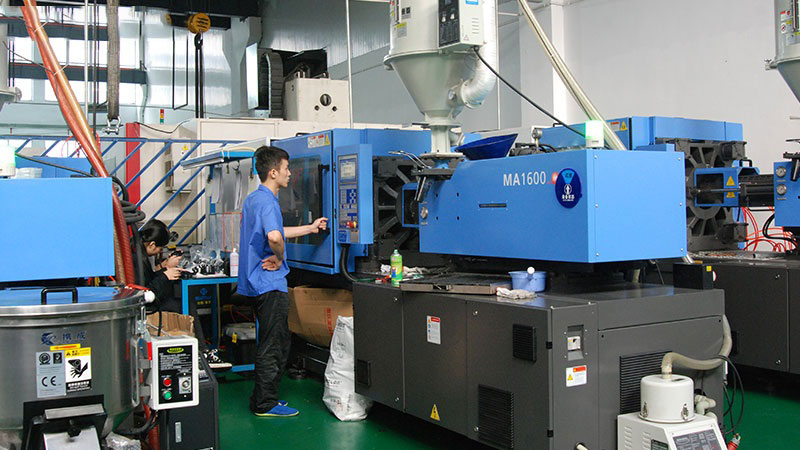
    The first and most critical step is moving from a list of potential suppliers to a shortlist of credible partners. In 2026, verification goes far beyond a basic website check. Start with a deep dive into digital footprints. Analyze their professional social media presence on LinkedIn and industry-specific platforms. Look for detailed project case studies, not just glossy images. Utilize international business verification services to confirm legal registration and check for any red flags in trade records. Crucially, initiate a video conference for a virtual factory tour. A reputable China mold factory will readily showcase their shop floor, machinery (note the brands and conditions of CNC, EDM, and injection molding machines), and quality control stations in real-time. This step filters out trading companies masquerading as manufacturers and confirms operational scale. Always request and contact references from their existing overseas clients, specifically asking about communication efficiency and post-sales support.

    Strategic Communication and Technical Documentation Alignment

    Misalignment in technical specifications is the root cause of most mold failures. To solve this, your technical data package must be impeccable and universally understood. Beyond providing 3D CAD files (STEP or IGS format), include comprehensive 2D drawings with GD&T (Geometric Dimensioning and Tolerancing) standards. Clearly specify the mold steel grade (e.g., P20, H13, S136), surface finish requirements (SPI standards), and critical tolerances. Discuss and agree upon mold flow analysis expectations upfront—will the supplier conduct it, and will they share the report? During negotiations, use video calls to walk through every detail of the RFQ. Clarify terms like “lifetime” (defined by shot cycles, not years) and what “warranty” covers. Establishing a single, technically proficient point of contact on both sides streamlines communication and prevents costly misunderstandings. This meticulous approach sets the stage for a smooth procurement process with your chosen injection mold partner.

    Implementing a Robust Multi-Stage Quality Control Protocol

    Passive hope is not a quality strategy. You must build verification into every critical phase of the mold manufacturing process. Insist on a staged inspection and approval plan. Key milestones include: a First Article Inspection (FAI) of the raw steel blocks, a pre-hardness inspection report, and most importantly, a T1 sample mold trial. For the T1 trial, define a formal Sample Approval Report (SAR) that includes signed-off sample parts, CMM (Coordinate Measuring Machine) data, and full documentation of the trial parameters. For high-value projects, engaging a local third-party quality inspection firm for critical stage inspections is a highly recommended investment. They can act as your eyes on the ground, verifying progress and workmanship independently. Furthermore, discuss and agree upon the packaging standards for the final mold to prevent damage during ocean freight. Proactive quality control is your primary tool for risk mitigation.

    Navigating Logistics, IP Protection, and Building Partnership

    The journey isn’t complete when the mold is finished. Address logistics early—decide on Incoterms 2020 that clearly delineate responsibilities (FOB is common). Ensure the supplier provides a professional packing list and commercial invoice for smooth customs clearance in your country. Intellectual Property (IP) protection is a paramount concern. While a well-drafted Non-Disclosure Agreement (NDA) is essential, practical steps are more powerful. Consider splitting the mold manufacturing between two different, non-affiliated injection mold china manufacturers for critical components. Control the master CAD file and only release component files as needed. Register your design patents in China where possible. View the relationship not as a one-off transaction but as a strategic partnership. A reliable manufacturer is an extension of your R&D team; their feedback on design for manufacturability (DFM) can save you thousands. Nurturing this relationship ensures priority service and better collaboration on future projects.

    Conclusion

    Successfully importing injection molds from China in 2026 demands a blend of rigorous due diligence, precise communication, and proactive quality management. By mastering the digital vetting process, aligning technical expectations with crystal-clear documentation, implementing staged quality inspections, and strategically managing logistics and IP, you transform perceived risks into a competitive advantage. The goal is to move from being just an international buyer to becoming a valued partner to a top-tier China mold factory. This professional, systematic approach will not only secure a high-quality injection mold for your project but will also establish a reliable supply chain asset for years to come. Start your next procurement project with this framework, and build with confidence.

    Work With Us

    As a professional China mold manufacturer, we provide one-stop mold solution for overseas buyers.
    📞 Phone: +86-18605944639
    💬 WhatsApp: +8618605944639
    🌐 Website: bestmoldworks.com
    📧 Email: [email protected]
  • china plastic mold manufacturer: Complete Procurement 2026

    For global businesses, sourcing from a China plastic mold manufacturer remains a strategic move to achieve significant cost advantages without necessarily sacrificing quality. However, the landscape of procurement is evolving rapidly. The process extends far beyond a simple online search and price comparison. Success in 2026 demands a structured, informed approach that mitigates risk and ensures a return on investment. This guide is designed to provide overseas buyers with a professional, actionable framework for navigating the complete procurement journey, from initial supplier identification to final delivery and beyond.

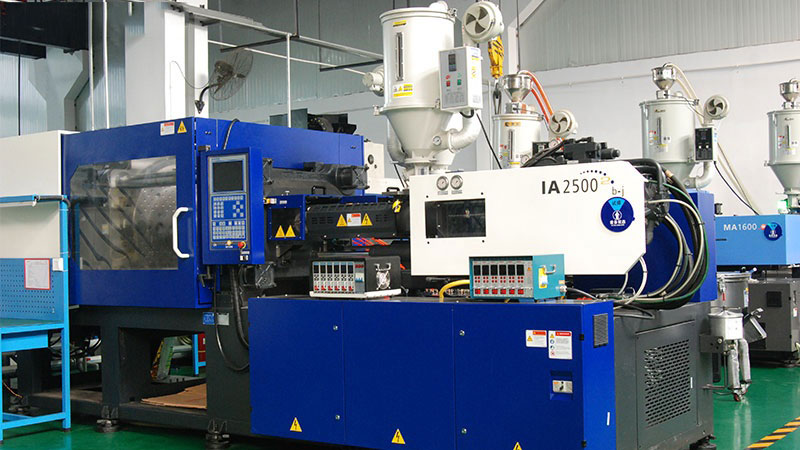
    The foundation of a successful import project is rigorous supplier verification. The term “China mold factory” can represent a vast spectrum of capabilities, from highly automated, vertically integrated giants to small, specialized workshops. Your first task is to move beyond Alibaba listings. Utilize professional B2B platforms like Made-in-China.com or Global Sources, but treat them as a starting point. Investigate the company’s business licenses, export history, and any industry-specific certifications. Crucially, insist on a live video tour of the facility. A reputable China plastic mold manufacturer will readily showcase their shop floor, machinery, quality control stations, and engineering department. This virtual audit allows you to verify their claimed capabilities, assess the condition of their equipment, and gauge their operational professionalism firsthand, forming the bedrock of trust.

    Once a potential partner is identified, the technical and commercial negotiation phase begins. Here, clarity is paramount. A detailed Request for Quotation is non-negotiable. Your RFQ must include not just part drawings, but material specifications, expected annual volumes, cavity requirements, and a clear definition of deliverables. Be explicit about what the mold price includes: Is it just the tool, or does it cover sampling, first article inspection reports, and a spare parts kit? Discuss the mold trial process and who bears the cost. Furthermore, understand the payment terms. While a standard 50% deposit and 50% before shipment is common, negotiate milestones tied to design approval and successful sample approval. This structured approach protects both parties and ensures the China mold factory is fully aligned with your technical expectations before steel is cut.

    The most critical phase, where many projects falter, is proactive quality control. You cannot adopt a “set and forget” mentality. Implementing a multi-stage inspection protocol is essential. Start with a Design for Manufacturability review with their engineers to preempt costly design flaws. The next key milestone is the First Article Inspection after initial sampling. Do not rely solely on the supplier’s report. Engage a reputable third-party inspection agency in China to conduct an on-site inspection during the initial sample trial and again during pre-shipment. They will check critical dimensions, material conformity, surface finish, and the functionality of the injection mold. This objective assessment provides a powerful leverage point for corrections before the tool leaves the factory, preventing expensive rework at your facility.

    Effective procurement extends beyond the physical mold; it encompasses the entire project management and logistics chain. Designate a single point of contact on both your side and the supplier’s side to streamline communication. Use shared project management tools to track open issues, design revisions, and delivery timelines. Regarding logistics, decide early on whether you will use Ex-Works, FOB, or DDP terms. For high-value precision tools, consider specialized insurance for shipping. Furthermore, discuss post-sales support. What is the warranty period for the injection mold? How are repair requests or modifications handled? Establishing these protocols in the contract ensures a sustainable partnership, turning a one-time transaction into a reliable supply chain asset for future projects.

    In conclusion, importing molds from China in 2026 is a process best navigated with meticulous preparation and active management. The cost benefit is undeniable, but it is unlocked through diligence, not luck. By mastering the stages of supplier verification, technical negotiation, embedded quality control, and disciplined project management, you transform procurement from a risky endeavor into a competitive advantage. The goal is to build a relationship with a China plastic mold manufacturer that is based on transparency and mutual success. This professional approach ensures that the tooling you receive is not just a cost item, but a durable, high-quality asset that drives your production efficiency for years to come.

    Work With Us

    As a professional China mold manufacturer, we provide one-stop mold solution for overseas buyers.
    📞 Phone: +86-18605944639
    💬 WhatsApp: +8618605944639
    🌐 Website: bestmoldworks.com
    📧 Email: [email protected]
  • custom injection mold maker: Reliable Manufacturers Gu 2026

    For overseas buyers and product developers, sourcing a custom injection mold represents a critical and substantial investment. It is the foundational step that dictates your product’s quality, time to market, and ultimately, your profitability. China remains the global epicenter for mold manufacturing, offering unparalleled expertise and competitive pricing. However, navigating this vast market to identify a truly reliable partner can be daunting. This guide is designed to cut through the noise, providing actionable strategies for 2026 and beyond to connect with a professional custom injection mold maker who will become a genuine extension of your engineering team.

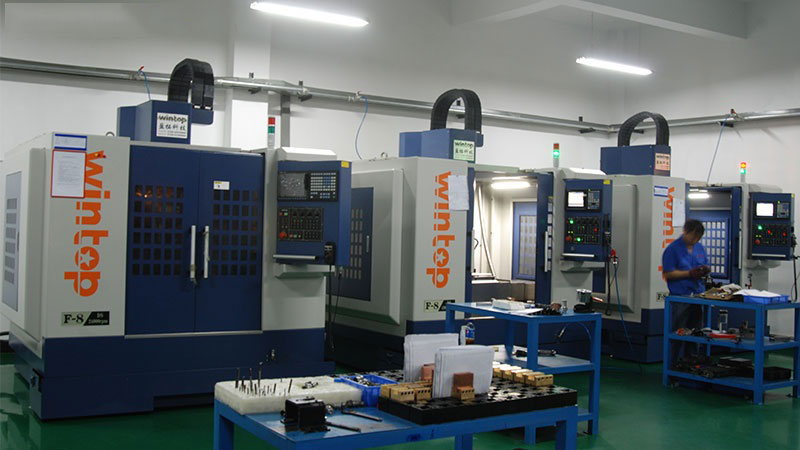
    The cornerstone of a successful import project lies in rigorous supplier verification. Moving beyond a simple website assessment or Alibaba storefront is non-negotiable. Begin by demanding evidence of capability. A reputable China mold factory should readily provide a detailed portfolio showcasing past projects, specifically those with complexity similar to yours. Request to see time-lapse videos of mold manufacturing or assembly, which offer transparent insight into their workshop environment and processes. Crucially, insist on a live video conference call. A factory tour via video not only verifies the existence and scale of their machinery—such as CNC, EDM, and CMMs—but also allows you to engage directly with their project managers and engineers. This step filters out trading companies and establishes a direct line of communication with the actual manufacturer, setting the stage for clear technical discussions.

    Once a potential partner is identified, mastering the technical and commercial procurement dialogue is essential. The cheapest quotation is often the most expensive route, leading to cost overruns from revisions and quality failures. Provide your potential custom injection mold maker with exceptionally clear and complete data: 3D CAD files (STEP or IGS), 2D drawings with critical tolerances and surface finish requirements clearly marked, and a physical sample or prototype if available. Be explicit about your material choice, expected annual volumes, and cycle time targets. During negotiation, focus on the total cost of ownership. Discuss mold lifecycle management, warranty terms for workmanship and durability (e.g., 1 million shots), and the cost and timeline for future modifications. A professional supplier will ask detailed questions about your design, suggest design for manufacturability (DFM) improvements to reduce cost and enhance robustness, and provide a transparent breakdown of their quote.

    Implementing a proactive quality control framework from the start is what separates successful imports from logistical nightmares. Do not treat QC as a final inspection step but as an integrated process. Require your chosen injection mold supplier to implement a First Article Inspection (FAI) report. This document, often using the PPAP format, meticulously validates that the first shots from the finished mold meet all dimensional and specification requirements against your original drawings. Schedule key inspection milestones, such as pre-shipment testing, where you receive samples, dimensional reports, and videos of the mold in operation before it leaves the factory. For critical projects, consider engaging a local third-party quality inspection service to conduct an in-factory audit during the T1 sample stage. This upfront investment mitigates the severe risk of receiving a non-conforming mold, which can halt your entire production schedule and incur massive rectification costs.

    Building a sustainable partnership requires looking beyond the initial transaction. The most reliable manufacturers view themselves as long-term collaborators. Evaluate their communication efficiency and project management structure. Do they assign a dedicated project engineer who communicates in clear, technical English? Do they use professional project management software to share progress updates, including photos and videos of each manufacturing stage? Discuss their post-sales support. How will they handle mold maintenance, repair, or storage? A forward-thinking China mold factory in 2026 will be investing in digitalization, offering cloud-based portals for tracking orders and accessing mold documentation, which greatly simplifies management for overseas clients. Establishing these protocols turns a one-off purchase into a streamlined pipeline for future product development.

    In conclusion, importing a high-quality injection mold from China is a highly strategic endeavor that, when executed correctly, provides a formidable competitive advantage. The landscape in 2026 demands a shift from viewing suppliers as mere vendors to treating them as integrated manufacturing partners. Success is achieved through diligent supplier verification, technically detailed procurement, unwavering commitment to in-process quality control, and the cultivation of a transparent, long-term relationship. By applying these focused strategies, you can confidently navigate the market and secure a partnership with a custom injection mold maker whose reliability, expertise, and quality will directly contribute to the success of your products for years to come.

    Work With Us

    As a professional China mold manufacturer, we provide one-stop mold solution for overseas buyers.
    📞 Phone: +86-18605944639
    💬 WhatsApp: +8618605944639
    🌐 Website: bestmoldworks.com
    📧 Email: [email protected]

  • plastic injection mold factory China: Reliable Manufac 2026

    For overseas buyers, sourcing a plastic injection mold factory in China represents a significant opportunity to access high-quality tooling at competitive costs, driving innovation and profitability. However, the path to a successful partnership is often paved with challenges: verifying supplier credibility, ensuring robust quality control, and navigating logistical complexities. As we look toward 2026, the landscape is evolving, with leading manufacturers adopting smarter technologies and more transparent processes. This guide provides actionable, real-world strategies to help you identify and collaborate with a reliable China mold factory, transforming procurement from a daunting task into a strategic advantage.

    The cornerstone of successful import is rigorous supplier verification. Moving beyond a simple Alibaba listing is non-negotiable. Start by conducting a thorough audit of the injection mold factory’s credentials. Request and verify business licenses, and delve into their export history with clients in your region. The most critical step is a virtual or, ideally, in-person factory audit. In 2026, reputable suppliers expect this and often facilitate live video tours. During this audit, focus on their machine park—look for modern CNC, EDM, and high-speed milling equipment—and assess the working environment and engineering team’s expertise. Furthermore, insist on contacting at least two existing overseas clients for direct references. This due diligence separates marketing from manufacturing capability and is your first filter for reliability.

    Once a potential partner is identified, mastering the technical and commercial discussion is vital. A professional plastic injection mold factory in China will not provide a firm quote from a simple 3D file alone. They require a comprehensive technical review. Prepare a detailed RFQ packet including material specifications, expected annual volumes, cavitation requirements, and part quality standards (e.g., SPI mold class, surface finish). Be explicit about your quality control expectations upfront. Discuss who will be responsible for First Article Inspection (FAI), what measurement reports (CMM data) will be provided, and the process for design for manufacturability (DFM) feedback. Clarifying these points during negotiation prevents costly misunderstandings later and establishes a framework for professional collaboration, signaling to the supplier that you are a serious and knowledgeable buyer.

    Proactive and structured quality control is the single most important factor in ensuring your mold investment is sound. Do not wait until the final inspection to engage. Implement a staged QC protocol. First, approve the mold design (DFM report) before steel is cut. Second, require and review milestone photos and videos: material certificates for the mold steel, rough machining, heat treatment, and assembly. Third, insist on a pre-shipment sample trial at their facility, with video documentation of the molding process and first shots. Many reliable China mold factories now offer integrated cavity pressure sensors or mold flow analysis reports as standard, providing data-driven assurance of mold performance. For high-value tools, consider engaging a trusted third-party inspection service in China for the final pre-shipment audit. This layered approach to quality control mitigates risk and ensures the injection mold meets your specifications.

    The final phase—logistics, payment, and long-term partnership—solidifies the success of your procurement. Use secure and traceable payment terms; a common structure is 30-50% deposit, 40-60% before shipment, and sometimes a 10% retention after successful trial at your facility. For logistics, understand Incoterms clearly—FOB is standard, but you may consider CFR for more control. Ensure the supplier provides a complete mold manual, including maintenance instructions and spare parts list. For 2026 and beyond, view your chosen factory not just as a vendor but as a strategic partner. A reliable partner will support you with engineering changes, maintenance, and future projects. Establishing clear communication channels and regular reviews fosters this relationship, turning a one-time purchase into a valuable asset for your supply chain.

    In conclusion, importing from a plastic injection mold factory China in 2026 demands a blend of diligent verification, technical clarity, and embedded quality control. The market leaders are those who embrace transparency and invest in partnerships, not just transactions. By following these actionable steps—from deep supplier vetting to staged inspections—you can confidently navigate the procurement process. This disciplined approach minimizes risk and unlocks the full potential of Chinese manufacturing: exceptional value, advanced engineering, and a reliable supply chain foundation for years to come. Your success hinges not on finding the cheapest option, but on identifying and collaborating with a truly professional China mold factory committed to mutual growth and quality excellence.

    Work With Us

    As a professional China mold manufacturer, we provide one-stop mold solution for overseas buyers.
    📞 Phone: +86-18605944639
    💬 WhatsApp: +8618605944639
    🌐 Website: bestmoldworks.com
    📧 Email: [email protected]

  • custom plastic mold manufacturer: Ultimate Guide for 2026

    For overseas buyers, partnering with a skilled custom plastic mold manufacturer in China remains one of the most strategic decisions to achieve cost efficiency, scalability, and rapid product development. However, the landscape is evolving rapidly. As we approach 2026, success hinges on navigating new technologies, supply chain expectations, and verification processes with precision. This guide cuts through the noise to provide a professional, actionable roadmap for your procurement journey, helping you solve real problems and forge partnerships with reliable China mold factory partners.

    Mastering Supplier Verification and Vetting in the Digital Age

    The foundation of a successful import project is a thoroughly vetted supplier. The process extends far beyond a simple website check. Begin with a multi-platform reconnaissance. Utilize B2B platforms like Alibaba and Global Sources, but cross-reference findings with professional industry directories and even LinkedIn to assess the company’s digital professionalism. The critical step is a live video audit. In 2026, refusing a live factory tour via video call is a significant red flag. During the call, request to see specific departments: the design engineering area, the CNC machining centers, the mold trial injection molding machines, and the quality control station. Ask for proof of past projects for overseas clients similar to your industry. This direct visual verification separates trading companies from genuine manufacturers and provides insight into their operational scale and cleanliness. Always validate business licenses and, for critical projects, consider a third-party verification report.

    From RFQ to Technical Alignment: Ensuring Your Design is Perfectly Understood

    A precise Request for Quotation (RFQ) package is your primary tool for ensuring accurate quotes and technical alignment. A comprehensive RFQ should include not just a 3D CAD file (STEP or IGS format), but also a detailed 2D drawing with critical dimensions, tolerances, surface finish requirements (SPI standards), and material specifications. Clearly state the intended plastic resin, expected annual production volume, and any critical cosmetic or structural requirements. When evaluating quotes, be wary of prices that seem too good to be true; they often indicate shortcuts in material quality, machining precision, or hidden costs. Engage in a technical review meeting with the manufacturer’s engineering team before order placement. Discuss mold flow analysis plans, gate locations, cooling channel design, and ejection strategies. A professional China mold factory will proactively offer design for manufacturability (DFM) feedback to optimize your part for production and longevity.

    Implementing Proactive and Multi-Stage Quality Control Protocols

    Quality control cannot be an afterthought; it must be engineered into the process from day one. Define and agree upon a Quality Inspection Plan (QIP) with your supplier before the mold manufacturing begins. This plan should mandate inspections at critical milestones: after material procurement (steel hardness certificates), after CNC machining (3D scan reports of the mold cores and cavities), and after mold assembly. The most crucial phase is the Trial Report (T1). Insist on a full documented trial session with video evidence. The report must include photos of the injected parts, key dimension measurement data using CMM or other tools, and details on any issues and corrective actions. For higher-volume projects, consider engaging a local third-party quality inspection service to conduct an initial sample inspection (ISI) at the factory before shipment. This layer of oversight mitigates risk and ensures the injection mold meets all agreed specifications.

    Navigating Logistics, IP Protection, and Building a Partnership

    Finalizing the mold is only part of the journey. Clearly define shipping Incoterms (FOB is common) and ensure the mold is properly crated for overseas transport. Discuss and agree upon post-sales support: what is the warranty period for workmanship? How are repair costs handled? What is the process for future mold modifications? Intellectual Property (IP) protection is a paramount concern. A reputable custom plastic mold manufacturer will respect and sign a Non-Disclosure Agreement (NDA). For absolute security, you can register your design in China, but the most effective protection is working with an established supplier whose reputation is more valuable than copying a single design. View this relationship not as a one-time transaction but as a strategic partnership. Clear communication, documented agreements, and mutual respect pave the way for long-term collaboration, future projects, and consistent part quality.

    Conclusion

    Importing a custom plastic injection mold from China in 2026 demands a blend of traditional due diligence and modern digital engagement. The path to success is built on systematic supplier verification, crystal-clear technical communication, embedded quality control checkpoints, and a partnership-focused approach to logistics and IP. By following this professional framework, you transform the complexity of overseas procurement into a competitive advantage. You gain access to world-class manufacturing capabilities, cost-effective production, and the agility to bring innovative products to market faster. Start your next project with this disciplined approach, and you will be well-positioned to select a world-class custom plastic mold manufacturer that will serve as a reliable pillar of your supply chain for years to come.

    Work With Us

    As a professional China mold manufacturer, we provide one-stop mold solution for overseas buyers.
    📞 Phone: +86-18605944639
    💬 WhatsApp: +8618605944639
    🌐 Website: bestmoldworks.com
    📧 Email: [email protected]

  • injection molds for plastic part: Best Suppliers & Qua 2026

    For overseas buyers, sourcing injection molds for plastic parts from China remains a compelling strategy to achieve significant cost savings and access advanced manufacturing capabilities. However, the journey from initial inquiry to receiving a flawless mold is fraught with potential pitfalls, from supplier miscommunication to inconsistent quality. As we look toward 2026, the landscape is evolving, with leading manufacturers adopting smarter technologies and more transparent processes. This guide cuts through the noise to provide actionable, professional advice on navigating the Chinese mold market, ensuring your procurement process is efficient, reliable, and results in a high-quality injection mold that meets exact specifications.

    The cornerstone of a successful import project is rigorous supplier verification. Not all China mold factories are created equal, and the lowest quote often carries hidden costs. Begin your search on reputable B2B platforms but use them as a starting point, not a final verdict. Deep due diligence is non-negotiable. Prioritize factories that willingly provide detailed company profiles, including years in operation, client lists (with permission), and specific machinery inventories. For critical projects, insist on a live video tour of the facility. This allows you to verify the presence of modern CNC machining centers, EDM equipment, and coordinate measuring machines (CMMs). In 2026, a reliable supplier will be transparent about their capabilities and processes, viewing your audit as a sign of serious partnership rather than an intrusion.

    Once a potential partner is identified, mastering the technical and commercial discussion is vital. The procurement phase for an injection mold is where clarity prevents costly change orders later. Provide not just a 3D model, but a comprehensive technical data package: material specifications for the final plastic part, expected annual volumes, cosmetic requirements (e.g., SPI finish standards), and tolerance guidelines. Be explicit about mold steel preferences—such as pre-hardened 718 or corrosion-resistant S136—as this significantly impacts mold life and part quality. Furthermore, negotiate beyond the unit price. Define the project timeline with milestones for design review, T1 sample delivery, and final approval. Clarify payment terms (e.g., 30-50% deposit, balance before shipment) and, crucially, ownership of the mold design and tooling. A professional supplier will ask detailed questions and provide a formal mold design for your approval before cutting steel.

    Proactive quality control integrated throughout the manufacturing process is what separates market leaders from average workshops. Do not settle for a final inspection alone. Mandate staged inspections at critical points: after mold base machining, after cavity and core completion, and before the first trial. The T1 sample run is your most critical quality control checkpoint. It is imperative to have a defined sample approval protocol. Request not only sample parts but also a detailed trial report documenting process parameters, injection pressures, cycle times, and any issues encountered. For high-precision parts, invest in a third-party inspection service in China to conduct dimensional checks and material verification on-site before shipment. This upfront investment in quality control safeguards against production delays and non-conforming parts, ensuring the injection mold performs as expected in your production facility.

    The most forward-thinking approach for 2026 involves building a partnership that extends beyond a single transaction. The best China mold factories now offer integrated services that add tremendous value. Discuss their capabilities in low-volume prototyping, which can de-risk design before full mold commitment. Inquire about their process optimization services; a partner that can fine-tune gate design and cooling channels for optimal cycle times saves you money for the lifespan of the mold. Furthermore, establish clear terms for mold maintenance, repair, and storage. A supplier willing to keep your injection mold in controlled conditions and provide annual maintenance is a partner invested in your long-term success. This strategic relationship turns your mold supplier from a simple vendor into an extension of your engineering team.

    In conclusion, successfully importing injection molds for plastic parts from China in 2026 demands a blend of diligent verification, precise communication, embedded quality control, and strategic partnership building. The market rewards informed buyers who look beyond price to evaluate true capability and reliability. By implementing these actionable steps—from virtual factory audits to staged inspections and sample approval protocols—you mitigate the inherent risks of overseas procurement. The result is not merely a cost-effective tool, but a precision-engineered injection mold that delivers consistent, high-quality plastic parts, driving your product’s success and securing a competitive advantage in your market.

    Work With Us

    As a professional China mold manufacturer, we provide one-stop mold solution for overseas buyers.
    📞 Phone: +86-18605944639
    💬 WhatsApp: +8618605944639
    🌐 Website: bestmoldworks.com
    📧 Email: [email protected]

  • mold manufacturers in china: Reliable Manufacturers Gu 2026

    For overseas buyers, the decision to import molds from China represents a significant strategic advantage, offering unparalleled cost efficiency and manufacturing scalability. However, the path to a successful partnership is often clouded by concerns over quality, communication, and supplier reliability. As we move into 2026, the landscape is evolving. The most successful importers are those who move beyond simply finding a low-cost provider and instead focus on identifying technically proficient, transparent, and process-driven partners. This guide provides actionable, professional insights to help you navigate the procurement process and build a profitable relationship with top-tier mold manufacturers in China.

    The cornerstone of successful procurement begins with rigorous supplier verification. In 2026, a factory’s digital footprint is as critical as its physical one. Start by scrutinizing professional credentials: a legitimate business license, and for higher-end projects, certifications like IATF 16949 for automotive or ISO 13485 for medical molds are strong indicators of a systematic approach. However, due diligence must go deeper. Utilize video calls to conduct virtual factory tours; request to see machine shops with modern CNC, EDM, and wire-cutting equipment. Ask for detailed case studies of past projects, specifically for molds similar to your intended application, whether it’s a complex multi-cavity injection mold for high-volume production or a precision mold for engineering resins. Cross-reference this information on B2B platforms, but prioritize direct contact to assess communication fluency and technical responsiveness from the outset.

    Once a shortlist of potential China mold factory partners is established, shifting the conversation from price to process is what separates adequate outcomes from excellent ones. A reliable manufacturer will willingly discuss their project management workflow. You should seek clarity on their design for manufacturability (DFM) process. Will they provide a formal DFM report, highlighting potential issues in your part design before steel is cut? Inquire about their mold flow analysis capabilities for injection molds, as this simulation is crucial for predicting filling patterns, weld lines, and cooling efficiency, preventing costly revisions later. Establish a clear, milestone-based payment schedule tied to deliverables like design approval, first article inspection, and pre-shipment testing. This structured approach aligns interests and ensures transparency throughout the build.

    Proactive quality control is non-negotiable. The expectation for 2026 is that quality is embedded, not merely inspected. Define your quality standards explicitly in the purchase agreement. This includes steel grade specifications, mold life expectancy, surface finish requirements (SPI standards), and critical tolerances. Stipulate that the supplier must provide a comprehensive dimensional inspection report (CMM data) for the first article parts from the mold. For injection molds, a sample molding trial with video evidence is essential. Many reputable manufacturers now offer remote witnessing of these trials via live stream. Consider engaging a third-party quality inspection service based in China for an impartial pre-shipment audit. This step, focused on both the mold’s construction and its output, mitigates the risk of receiving a tool that does not perform to specification, saving substantial time and cost on remediation after it arrives at your doorstep.

    Effective communication and intellectual property protection are intertwined challenges. Establish a single point of contact who possesses both technical and language skills. Use clear, visual communication: marked-up drawings, screenshots, and shared digital workspaces can bridge language gaps. Regarding IP, while China has strengthened its legal framework, practical steps are your first defense. Execute a robust Non-Disclosure Agreement (NDA) governed by a mutually acceptable legal jurisdiction. During the procurement process, share detailed design data only after contracts and NDAs are signed. For highly sensitive designs, some buyers opt to split the mold manufacturing; having core and cavity blocks machined in separate, specialized factories can further protect your proprietary geometry. A trustworthy partner will understand and respect these concerns as part of a professional engagement.

    Finally, view your chosen supplier as a strategic partner, not just a transactional vendor. Building a long-term relationship yields significant benefits. A manufacturer familiar with your quality expectations and communication style will become more efficient with each project. Discuss their capacity for mold maintenance, repair, and future modifications. The most forward-thinking mold manufacturers in china are investing in Industry 4.0 technologies, such as IoT-enabled mold monitoring, which can offer data-driven insights into mold performance and preventive maintenance needs. By fostering collaboration and demonstrating loyalty for consistent quality, you secure a competitive advantage—a reliable extension of your manufacturing capability that can adapt and grow with your business needs through 2026 and beyond.

    In conclusion, importing molds from China in 2026 demands a sophisticated, process-oriented approach. The journey from supplier verification to final quality assurance requires moving beyond price as the primary driver. By focusing on a manufacturer’s technical protocol, quality integration, communication clarity, and willingness to partner, overseas buyers can reliably tap into China’s deep manufacturing expertise. The goal is to transform the inherent complexity of offshore procurement into a streamlined, predictable, and highly competitive pillar of your supply chain. By applying these professional strategies, you position your business to not only source a tool but to secure a foundation for manufacturing excellence.

    Work With Us

    As a professional China mold manufacturer, we provide one-stop mold solution for overseas buyers.
    📞 Phone: +86-18605944639
    💬 WhatsApp: +8618605944639
    🌐 Website: bestmoldworks.com
    📧 Email: [email protected]