For overseas buyers, the decision to import molds from China represents a significant strategic advantage, offering unparalleled cost efficiency and manufacturing scalability. However, navigating the vast landscape of suppliers to find a truly reliable custom plastic mold manufacturer can be a complex undertaking fraught with potential pitfalls. As we look toward 2026, procurement is evolving beyond simple price comparison to a disciplined process of verification, collaboration, and technological integration. This guide provides a complete, actionable framework for overseas procurement, designed to solve real problems and ensure your partnership with a China mold factory is built on a foundation of quality, transparency, and mutual success.
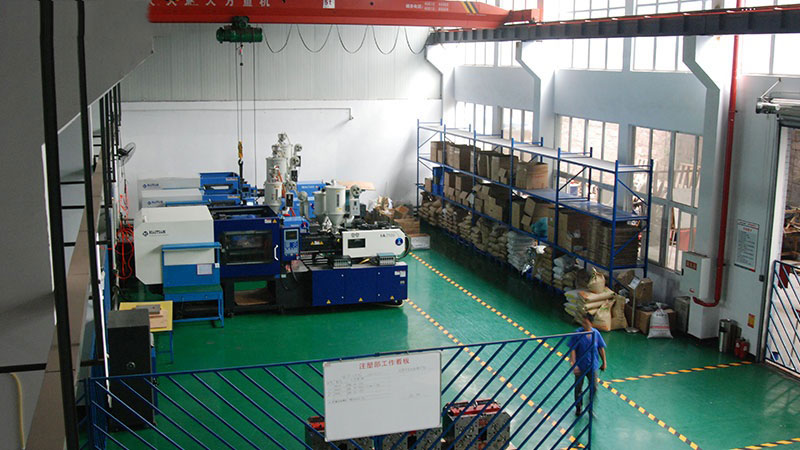
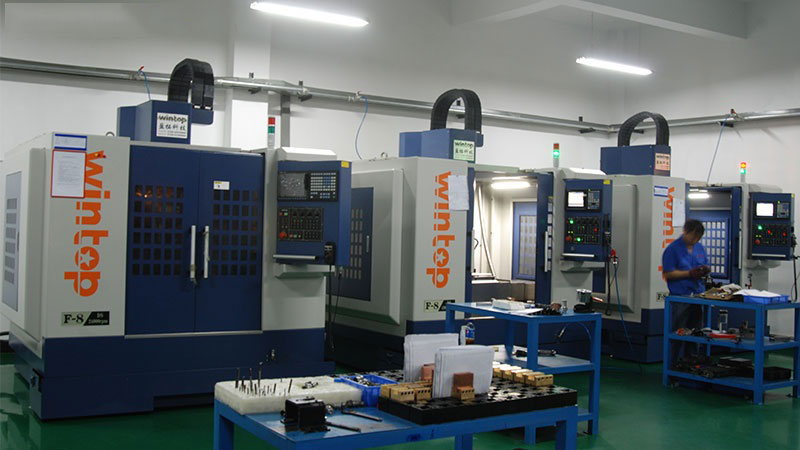
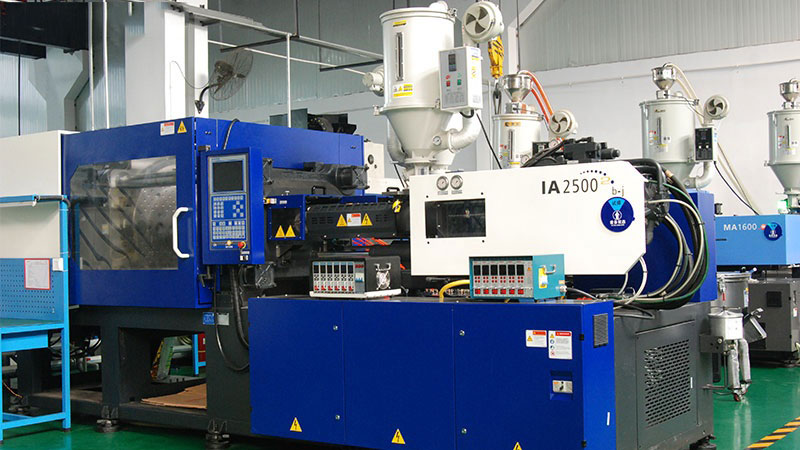
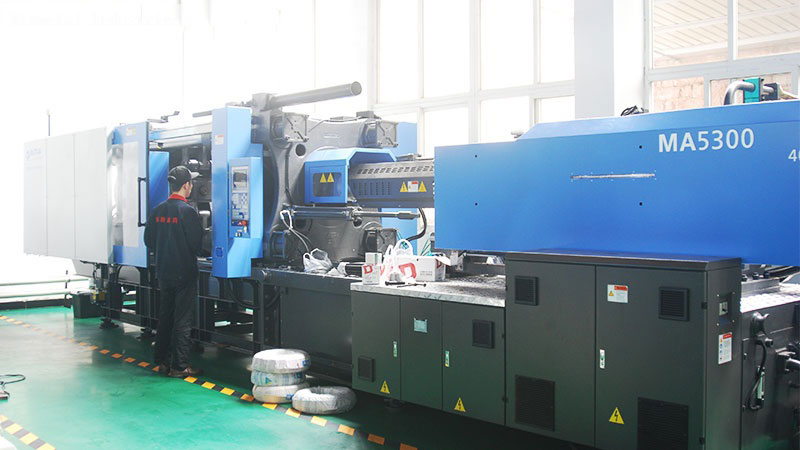
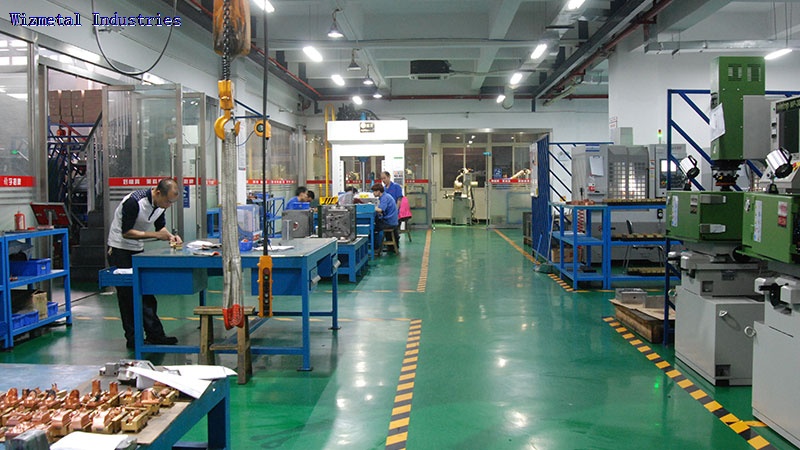
The cornerstone of a successful import project is rigorous supplier verification. In 2026, due diligence must move far beyond a website and a price quote. Begin by identifying a shortlist of potential custom plastic mold manufacturers through industry-specific B2B platforms, but deepen your research with legal checks. Verify the supplier’s business license, export history, and physical factory address. The most critical step is a virtual or, ideally, in-person audit. Request a live video tour of the production floor. Observe their machinery—are they using modern CNC, EDM, and milling equipment? Assess their workshop organization and in-process quality checks. Furthermore, insist on speaking directly to their project management and engineering team. A competent China mold factory will have dedicated technical staff who can discuss your injection mold design, material selection, and tolerance requirements knowledgeably, proving they are partners, not just vendors.
Once a qualified supplier is selected, mastering the technical and commercial negotiation phase is vital. Clear communication of your specifications is non-negotiable. Provide a comprehensive technical data package, including 3D CAD files (STEP or IGES), 2D drawings with critical dimensions and tolerances clearly marked, and a sample or detailed description of the final plastic part. Be explicit about the expected annual volume, as this influences mold steel selection and cavity configuration. The procurement discussion must then focus on the total cost of ownership. Break down the quotation: mold base steel grade (e.g., P20, 718, S136), cavity and core material, number of cavities, hot runner system brand, surface finish requirements, and the timeline for T1 sample delivery. A professional custom plastic mold manufacturer will provide a transparent breakdown and offer expert advice on design for manufacturability (DFM) to optimize part quality and mold longevity, potentially saving substantial cost and time.
Proactive and structured quality control is the single most effective tool to mitigate risk. Do not wait until the finished mold arrives at your door to inspect it. Implement a staged inspection protocol. Key milestones include a pre-production meeting to confirm all DFM feedback, a first article inspection (FAI) of the mold frame and critical components, and a final inspection before shipment. For critical projects, engage a reputable third-party quality inspection firm within China to conduct these audits. Their report should include detailed measurements, photographs of the injection mold, and documentation of a sample trial run. Pay close attention to the trial shot report, which details processing parameters and measures the critical dimensions of the produced parts. This layered approach to quality control ensures issues are identified and resolved while the supplier is still contractually obligated to do so, preventing costly rework after international shipment.
The final phase, encompassing logistics, payment, and intellectual property (IP) protection, requires strategic foresight. Use secure and milestone-based payment terms, such as 30% deposit, 40% after pre-shipment inspection approval, and 30% before shipment. This aligns incentives and maintains leverage. For IP protection, a well-drafted Non-Disclosure Agreement (NDA) and Product Confidentiality Agreement are essential before sharing any technical data. While enforcement can be challenging, registering your design patents in China provides a stronger legal footing. Regarding logistics, work with your China mold factory to understand Incoterms clearly—FOB Shanghai is common, but you may consider EXW for more control. Ensure the mold is properly crated for ocean freight and that all necessary export documentation is prepared. Establish a clear protocol for handling minor damages or discrepancies upon arrival at your facility.
As the global manufacturing landscape continues to advance, your approach to procuring from a China mold factory must evolve in parallel. The complete procurement journey for 2026 is defined by digital verification, technical collaboration, embedded quality gates, and strategic contracting. By treating your chosen injection mold supplier as a true extension of your engineering team and investing time in the upfront processes of verification and communication, you transform a transactional purchase into a strategic asset. The goal is not merely to buy a tool, but to secure a reliable manufacturing partnership that delivers consistent part quality, drives down your total production cost, and provides the agility needed to compete in tomorrow’s market. Begin your next project with this disciplined framework, and you will confidently navigate the complexities of international mold procurement to achieve a superior return on investment.
Work With Us
As a professional China mold manufacturer, we provide one-stop mold solution for overseas buyers.
📞 Phone: +86-18605944639
💬 WhatsApp: +8618605944639
🌐 Website: bestmoldworks.com
📧 Email: [email protected]