For global businesses, sourcing tooling from China represents a significant strategic advantage, offering a compelling balance of cost efficiency, technical capability, and scalable production. However, navigating this complex landscape requires more than just finding the lowest quote. This ultimate guide for 2026 is designed to provide overseas buyers with a professional, actionable framework for successfully importing molds from China, helping you mitigate risks and build a profitable, long-term partnership with a reliable China mold factory.
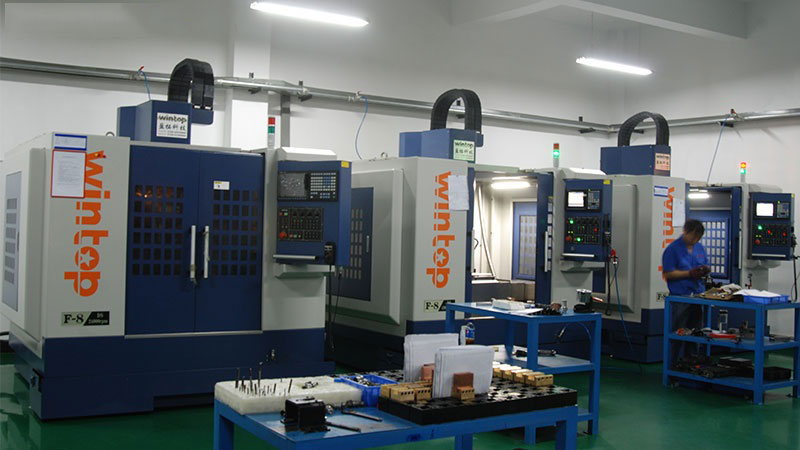
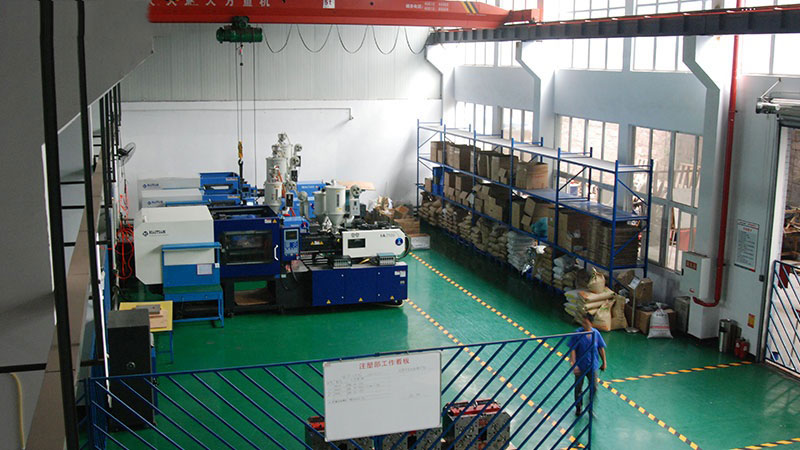
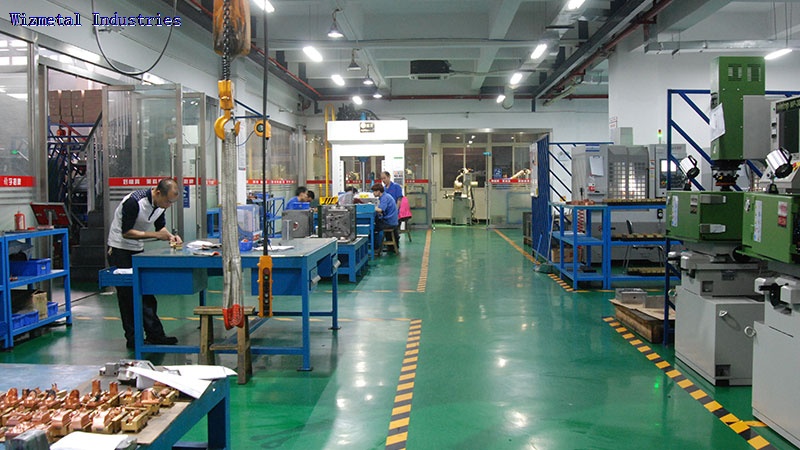
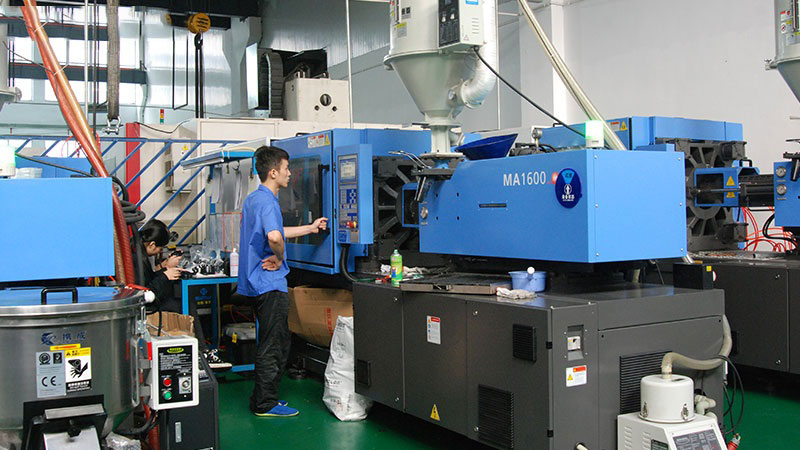
The cornerstone of a successful import project lies in meticulous supplier verification. In 2026, due diligence goes beyond a simple website check. Start by verifying the manufacturer’s business license via official Chinese platforms and cross-referencing their factory address using satellite imagery. For a China mold maker, technical competence is paramount. Request detailed case studies of molds similar to yours in complexity, material, and industry. Insist on a video conference for a real-time virtual factory tour; a reputable supplier will readily showcase their workshop, machinery, and quality control stations. Crucially, communicate directly with their engineering team, not just sales staff, to assess their technical communication skills and problem-solving approach. This step filters out trading companies and identifies true manufacturing partners.
Once a potential partner is identified, the procurement process must be governed by crystal-clear technical communication. The single most important document is a comprehensive and unambiguous Request for Quotation. Your RFQ should include not just part drawings, but a full technical data pack: 3D files, 2D drawings with GD&T, material specifications, expected annual volumes, and detailed requirements for mold life, surface finish, and part tolerances. Specify the mold steel grade and provide samples or photos if applicable. Discuss and agree upon the mold flow analysis process upfront; a professional China mold factory will use this simulation to anticipate and solve filling, warpage, and cooling issues before steel is ever cut. This collaborative engineering phase is where misunderstandings are prevented, saving immense cost and time later.
A transparent and fair contractual agreement is your primary tool for managing expectations and risk. The contract must detail far more than just price and delivery. It should explicitly list all deliverables: final part samples, mold design drawings for approval, a complete mold maintenance manual, and spare parts. Define the milestone payment schedule clearly, typically tied to design approval, T1 sample approval, and final shipment. Incorporate key performance indicators, such as sample approval lead time and part quality metrics. Most importantly, include robust intellectual property protection clauses, ensuring all your designs, drawings, and tooling remain your exclusive property. This legal framework transforms a simple purchase into a governed partnership.
Proactive quality control cannot be an afterthought; it must be integrated throughout the mold manufacturing journey. For overseas buyers, a multi-stage inspection protocol is essential. Require and review progress reports with photos at critical stages: after material procurement, rough machining, heat treatment, finishing, and assembly. The First Article Inspection is non-negotiable. Either plan for your representative to witness the T1 sample trial at the factory or employ a trusted third-party inspection service to do so. They will check part dimensions against drawings, assess surface finish, and test the mold’s functionality in cycles. This step verifies that the physical mold meets all agreed specifications before it leaves the factory, preventing costly rework after international shipment.
Finally, view the initial mold purchase as the beginning of a lifecycle partnership. A professional China mold maker understands that molds require maintenance and future modifications. Discuss their after-sales service policy upfront. How will they handle mold repairs or design changes? What is their process for providing spare components like lifters or cooling fittings? Establishing clear communication channels for technical support is vital. Furthermore, a successful mold project often leads to volume production. Use this collaboration to evaluate their capabilities for full production runs, secondary operations, and assembly, potentially consolidating your supply chain with a single, capable partner.
Importing molds from China in 2026 demands a strategic blend of rigorous verification, technical precision, contractual clarity, and hands-on quality management. By moving beyond price-centric sourcing to a partnership-focused approach, you unlock the true value of working with a skilled China mold factory. The goal is not merely to buy a tool, but to secure a critical asset for your product’s lifecycle and build a resilient, transparent supply chain that delivers competitive advantage for years to come.
Work With Us
As a professional China mold manufacturer, we provide one-stop mold solution for overseas buyers.
📞 Phone: +86-18605944639
💬 WhatsApp: +8618605944639
🌐 Website: bestmoldworks.com
📧 Email: [email protected]