For overseas buyers and procurement specialists, sourcing high-quality plastic injection molds from China remains one of the most effective strategies to reduce production costs and accelerate time-to-market. However, the landscape of plastic mold customization is evolving rapidly. As we approach 2026, the challenges are no longer just about finding a low quote but identifying truly reliable, technologically adept, and transparent partners. The process involves navigating a vast sea of potential suppliers, each with varying levels of expertise, quality control, and communication standards. This guide is designed to cut through the noise and provide you with actionable, practical strategies to partner with a dependable China mold factory for your next project.
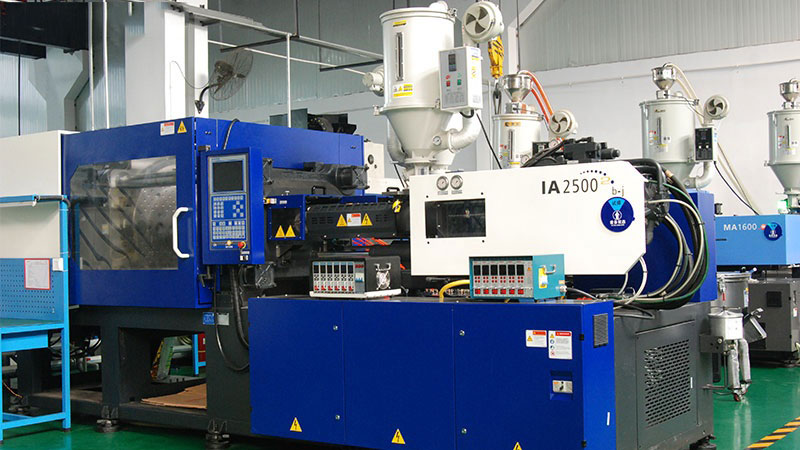
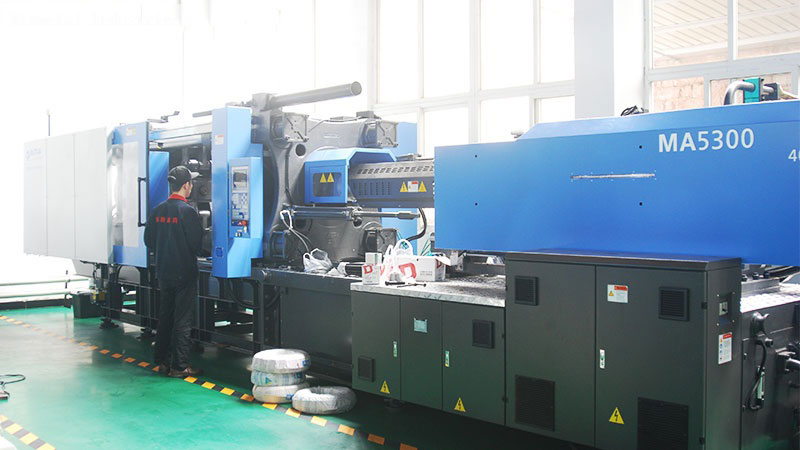
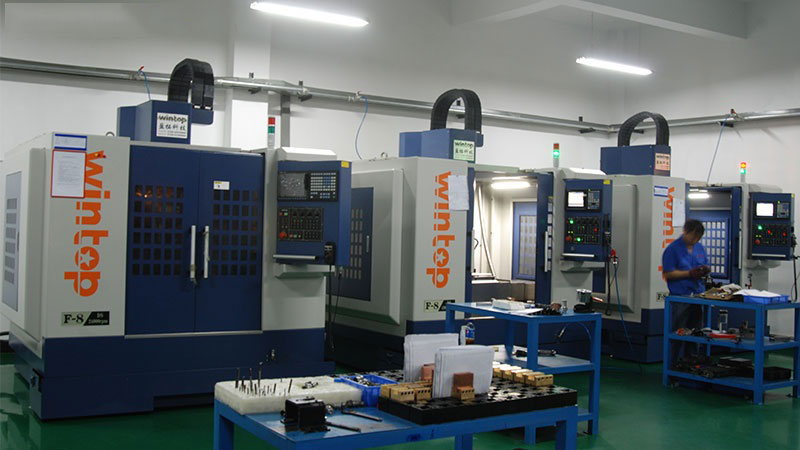
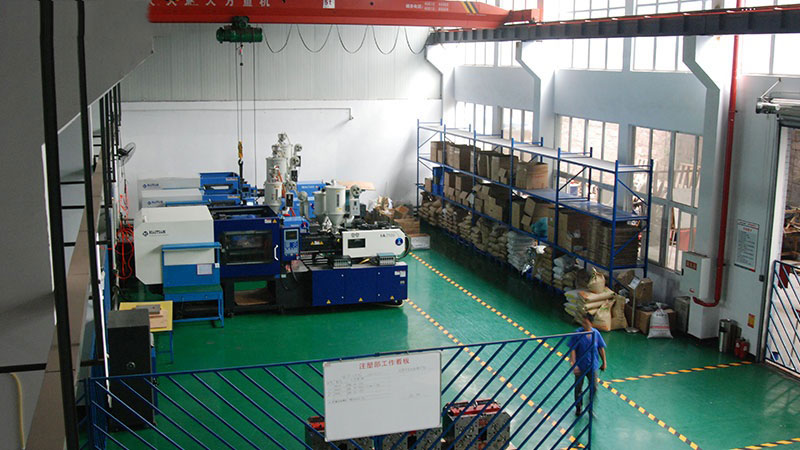
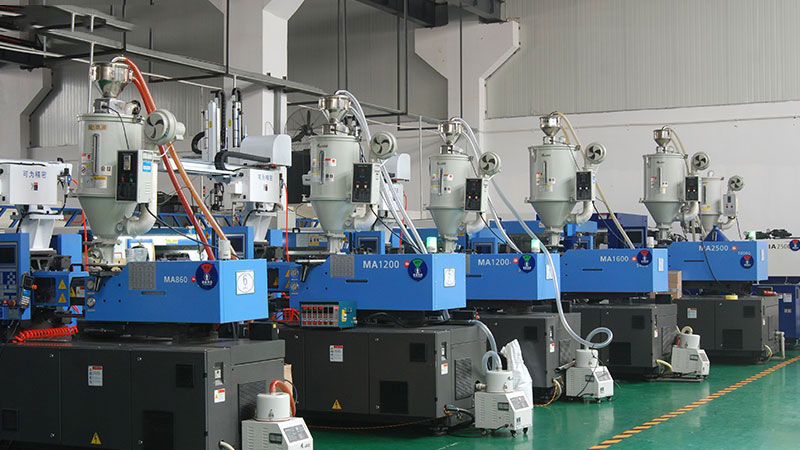
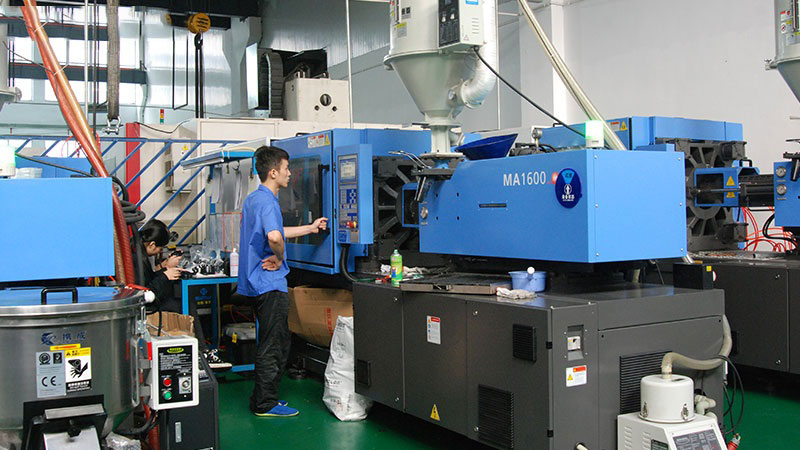
The cornerstone of a successful import venture is rigorous supplier verification. Moving beyond a simple Alibaba listing is non-negotiable in 2026. Start by conducting a deep-dive analysis of potential manufacturers. A professional China mold factory should readily provide a detailed company profile, including years in operation, core competencies (e.g., small precision parts, large automotive molds), and list of machinery. Request to see certifications; while ISO 9001 is common, look for industry-specific qualifications relevant to your field, such as IATF 16949 for automotive. The most critical step is to conduct a virtual or, ideally, in-person audit. Use video calls to tour their facility—observe the workshop floor, the maintenance level of their injection mold machines, and their engineering department. Check their portfolio for projects similar in complexity and industry to yours. This upfront investment in verification prevents costly misunderstandings and production delays later.
Once a potential partner is shortlisted, mastering the technical communication and prototyping phase is vital. Clear, unambiguous communication of your specifications is the bedrock of precise plastic mold customization. Provide comprehensive 3D drawings (STEP or IGES files are preferred) with explicit tolerance callouts, surface finish requirements (SPI standards), and material selection for the final plastic part. Discuss mold flow analysis (MFA) upfront; a reliable manufacturer will insist on performing this simulation to predict and rectify potential filling issues, weld lines, or sink marks before steel is cut. Inquire about their approach to prototyping—do they offer 3D printed samples for form and fit, and can they produce low-volume injection molded prototypes using the actual mold steel (pre-production samples) for functional testing? This phased approach de-risks the project, ensuring the final mold meets all functional and aesthetic requirements before full-scale production begins.
A defining factor separating adequate suppliers from exceptional ones is their integrated quality control protocol. For overseas buyers, consistent quality is paramount, and it must be built into the process, not just inspected at the end. Probe deeply into the supplier’s QC procedures at every stage: First Article Inspection (FAI) after sample approval, dimensional checks with CMM (Coordinate Measuring Machine) reports during mold trial, and final pre-shipment audits of the finished mold. Understand their process for managing critical components like mold cores, cavities, and sliders—are they manufactured in-house or outsourced? In-house control is typically preferable. Furthermore, discuss their system for documenting and communicating any deviations. A professional partner will have a structured Process Failure Mode and Effects Analysis (PFMEA) and a Control Plan for the mold manufacturing process itself, providing you with documented confidence in their systematic approach to preventing defects.
Finally, a forward-looking partnership extends beyond the delivery of a single mold. Consider the total cost of ownership and long-term support. While unit price is important, evaluate the supplier’s proposed mold life, their use of standardized components (like HASCO or DME), and the availability of spare parts. A reliable manufacturer will provide a comprehensive mold design review, potentially suggesting design for manufacturability (DFM) changes that reduce complexity and long-term maintenance costs. Clarify terms for mold maintenance, repair, and storage. Will they store your mold for future production runs? What are the costs and lead times for repairs or modifications? Establishing these protocols upfront ensures a smooth, long-term relationship. As we move into 2026, leading Chinese mold makers are competing on value, reliability, and engineering partnership, not just price.
In conclusion, navigating the world of plastic mold customization in China for 2026 demands a shift from a purely transactional mindset to a strategic partnership approach. The journey to finding a reliable manufacturer hinges on meticulous supplier verification, crystal-clear technical communication supported by prototyping and analysis, an unwavering commitment to integrated quality control, and planning for the total lifecycle of your injection mold. By applying these actionable strategies, you transform the procurement process from a daunting challenge into a competitive advantage. The goal is to build a relationship with a China mold factory that acts as a true extension of your engineering team, delivering not just a tool, but certainty, quality, and value for years to come.
Work With Us
As a professional China mold manufacturer, we provide one-stop mold solution for overseas buyers.
📞 Phone: +86-18605944639
💬 WhatsApp: +8618605944639
🌐 Website: bestmoldworks.com
📧 Email: [email protected]