Blog

  • custom molded part: Ultimate Guide for Buyers 2026

    Importing custom molded parts from China remains a cornerstone strategy for global businesses seeking to optimize production costs and accelerate product development. However, the landscape is evolving rapidly. For the discerning overseas buyer in 2026, success hinges on moving beyond simple price comparisons to mastering a sophisticated procurement process built on verification, communication, and technical alignment. This guide provides actionable, real-world strategies to navigate the complexities of sourcing high-quality custom molded parts from China, ensuring your project meets its budgetary, quality, and timeline objectives.

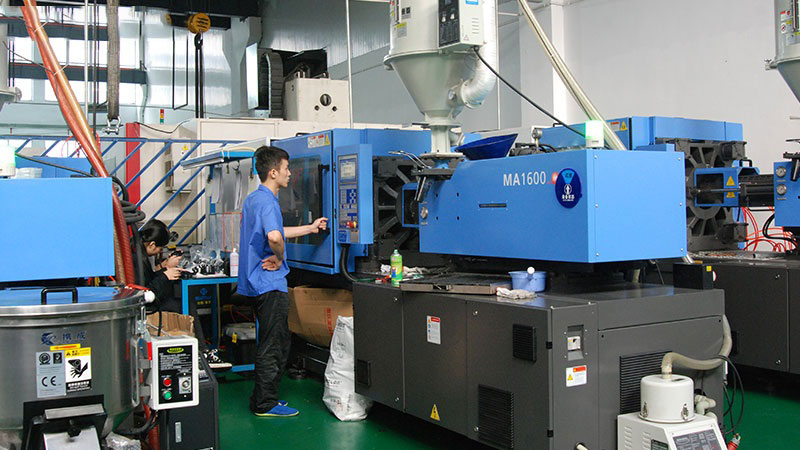
    The foundation of a successful project is selecting the right China mold factory. This step is more critical than ever. Begin with a thorough supplier verification process that scrutinizes technical capability over superficial metrics. Examine their portfolio for projects of similar complexity and material type. Insist on direct video tours of their production floor; a reputable supplier will readily showcase their CNC machining centers, EDM equipment, and injection molding presses. Verify certifications like IATF 16949 for automotive or ISO 13485 for medical parts, but understand that these are baseline requirements. In 2026, true differentiation lies in a factory’s proficiency with advanced manufacturing software for mold flow analysis (MFA) and their experience with the specific polymer science relevant to your part. Prioritize partners who ask detailed questions about your application’s end-use environment, regulatory standards, and lifecycle expectations from the first inquiry.

    Once a technically competent shortlist is established, mastering the quotation and development phase is your next hurdle. A professional China mold factory will dissect your part design for manufacturability (DFM). Their feedback is invaluable; view it as a collaborative engineering session, not a critique. Be prepared to discuss and justify critical tolerances, as over-specification can drastically increase mold cost and complexity. The quotation should be transparent, separating the cost of the injection mold (a capital investment) from the piece-price of the custom molded part (a recurring cost). Understand the payment terms—typically a staggered schedule tied to mold milestones (e.g., 30% upon order, 40% after T1 sample approval, 30% before mass production). Clarify ownership of the mold design and tooling; these should remain your property, stored at the supplier’s facility. A clear, legally binding development agreement covering IP, payment terms, and change-order procedures is non-negotiable.

    The prototype and sampling stage is your primary risk mitigation phase. Do not rush it. The first article inspection from the initial injection mold trial (T1) is your most important quality control checkpoint. Plan to be physically present or hire a trusted third-party inspection agency for this milestone. Evaluate the samples against the approved drawings and master sample. Pay close attention to gate vestige, sink marks, weld lines, and dimensional accuracy using a Coordinate Measuring Machine (CMM) report. This is the time to request adjustments; a professional supplier will expect and facilitate this iterative process. Establish a formal sample approval procedure, often involving a signed Sample Approval Report or Part Submission Warrant (PSW). This document serves as the definitive quality benchmark for all future production runs of your custom molded part, eliminating ambiguity.

    Securing consistent quality in mass production requires proactive, systems-based oversight. Relying solely on pre-shipment inspections is a reactive and often inadequate strategy. Instead, implement a layered quality control protocol. Require the supplier to provide First Article Inspection (FAI) reports and in-process quality checks for critical dimensions during production runs. For high-volume orders, consider implementing Statistical Process Control (SPC) charts to monitor key part characteristics. Unannounced audits, either by your team or a local quality firm, keep the supplier accountable. Furthermore, maintain clear communication channels for production scheduling and logistics. In 2026, leveraging digital tools for real-time order tracking and dashboard-based Key Performance Indicator (KPI) monitoring—such as on-time delivery rate and first-pass yield—is becoming standard practice for professional procurement teams.

    The journey does not end with a successful shipment. Building a strategic, long-term partnership with your Chinese mold manufacturer yields compounding benefits. A trusted supplier becomes an extension of your engineering team, capable of supporting design iterations, material substitutions, and cost-reduction initiatives for future products. Consolidating your custom molded part production with a single, verified partner can streamline logistics and improve pricing through economies of scale. Foster this relationship through regular performance reviews, transparent communication, and fair business practices. In the dynamic global market of 2026, such a partnership is a significant competitive advantage, providing agility, innovation, and a reliable supply chain foundation.

    In conclusion, importing custom molded parts from China in 2026 is a detail-oriented endeavor that rewards strategic preparation and active partnership. By rigorously verifying your China mold factory, engaging deeply in the design and sampling phases, implementing robust quality control systems, and viewing your supplier as a long-term ally, you transform potential procurement pitfalls into a reliable, high-value supply chain asset. The ultimate goal is not merely to purchase a part but to secure a predictable, quality-driven production capability that supports your product’s success for years to come.

    Work With Us

    As a professional China mold manufacturer, we provide one-stop mold solution for overseas buyers.
    📞 Phone: +86-18605944639
    💬 WhatsApp: +8618605944639
    🌐 Website: bestmoldworks.com
    📧 Email: [email protected]
  • custom injection molding: Professional Buying Guide 2026

    For overseas businesses, sourcing custom injection molding from China remains a powerful strategy to achieve significant cost savings without compromising on manufacturing capability. However, the landscape is evolving rapidly. The journey from concept to mass-produced part involves navigating technical, logistical, and cultural complexities. This professional buying guide for 2026 is designed to cut through the noise and provide you with a clear, actionable framework for a successful procurement process. We will move beyond basic advice and focus on the modern methodologies that distinguish savvy international buyers, ensuring you partner with the right China mold factory and secure a high-quality injection mold that delivers long-term value.

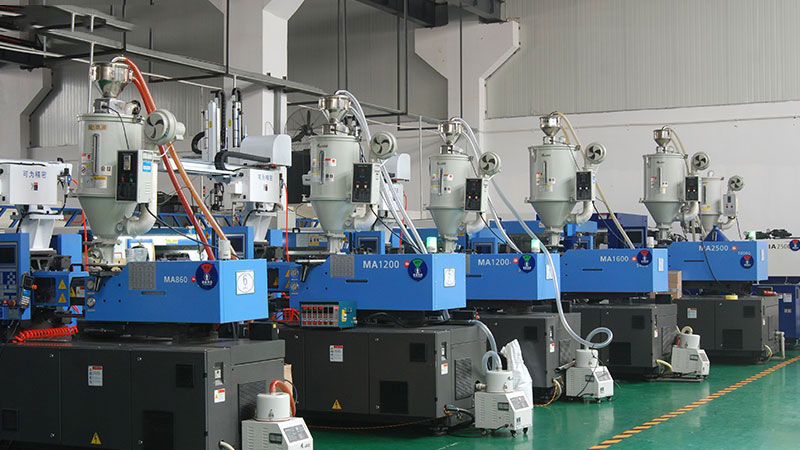
    The cornerstone of a successful project lies in comprehensive supplier verification. In 2026, this goes far beyond checking a website or Alibaba storefront. Begin with a deep-dive technical assessment. Request detailed case studies for projects similar in complexity, material, and volume to yours. A reputable supplier should readily provide these. Subsequently, initiate a video conference for a virtual factory tour; do not settle for pre-recorded videos. Observe the shop floor in real-time, noting the brands and condition of machinery (e.g., ENGEL, Haitian, Arburg for injection molding machines; GF, DMG Mori for mold machining). Verify their quality control infrastructure—look for coordinate measuring machines (CMM), optical comparators, and mold flow analysis software. Crucially, insist on speaking directly with the project manager and lead engineer who will handle your account. This step assesses communication fluency and technical understanding, preventing future misunderstandings.

    Once a potential partner is identified, the procurement phase demands meticulous attention to technical documentation. Your Request for Quotation (RFQ) package must be impeccable. It should include not just a 3D CAD model (STEP or IGS format), but also fully detailed 2D drawings with GD&T (Geometric Dimensioning and Tolerancing) callouts, critical surface finishes, part material specifications, and expected annual volumes. Ambiguity here is the primary cause of cost overruns and delays. During quotation analysis, be wary of bids that are significantly lower than the median. Engage in technical clarification meetings to understand how each China mold factory plans to build your tool—mold base standard (LKM, HASCO, DME), steel grade (P20, 718, S136), cooling line design, and ejection strategy. A professional supplier will ask numerous questions about your part’s function, assembly, and end-use environment. Their willingness to suggest design for manufacturability (DFM) improvements is a strong positive indicator, as it demonstrates expertise and a partnership mindset.

    The execution phase shifts focus to proactive quality control, which must be structured and evidence-based. Do not operate on a “trust and wait” model. Establish a milestone-based inspection protocol with your injection mold supplier. Key stages typically include: a) mold design review, b) steel material certification, c) first article inspection (FAI) of the mold core and cavity before heat treatment, d) T1 sample approval from the actual molding trial. For each stage, demand digital reports—photos, videos, and measurement data. For the T1 samples, coordinate an independent third-party inspection if you cannot be present. This is a critical investment. The inspection should verify part dimensions against your drawings, check for sink marks, warpage, and flash, and assess the molding process parameters documented by the supplier. This rigorous approach catches issues while the mold is still in the factory, where corrections are exponentially cheaper and faster than after shipment.

    Finally, navigating post-production and logistics requires strategic foresight. Clearly define terms for mold ownership, storage, and maintenance before production begins. Who holds the intellectual property of the design? Where will the custom injection molding tool be stored after the production run? What are the costs and terms for future mold modifications or repairs? For logistics, Incoterms 2026 are non-negotiable. For mold shipment, EXW (Ex Works) or FOB (Free On Board) are common, giving you control over international freight. For mass-produced parts, consider CIF (Cost, Insurance and Freight) to a port near you. Ensure the supplier provides a professional mold qualification report and a complete set of documentation, including final drawings, maintenance instructions, and a sample set of approved parts. This package is vital for future production runs, whether in China or elsewhere, safeguarding your long-term investment.

    In conclusion, mastering the import of custom injection molding from China in 2026 is a systematic process built on verification, clarity, control, and foresight. The competitive advantage is no longer found merely in low cost, but in leveraging the sophisticated engineering and manufacturing expertise available from top-tier Chinese suppliers. By implementing this professional guide—from rigorous supplier verification and precise procurement to staged quality control and clear logistical terms—you transform a complex international endeavor into a predictable, successful partnership. This disciplined approach minimizes risk, ensures product quality, and ultimately secures the cost and innovation benefits that make sourcing from China a compelling strategic decision for global businesses.

    Work With Us

    As a professional China mold manufacturer, we provide one-stop mold solution for overseas buyers.
    📞 Phone: +86-18605944639
    💬 WhatsApp: +8618605944639
    🌐 Website: bestmoldworks.com
    📧 Email: [email protected]
  • custom molds reviews: Professional Buying Guide 2026

    For overseas buyers, the decision to import custom molds from China represents a significant opportunity for cost efficiency and manufacturing scalability. However, the path from concept to a perfect, production-ready mold is fraught with potential complexities. Relying solely on basic custom molds reviews is no longer sufficient in 2026’s competitive landscape. This professional buying guide moves beyond superficial ratings to provide a structured, actionable framework for procurement success. We will dissect the critical phases of engagement with a China mold factory, equipping you with the knowledge to verify suppliers, enforce quality control, and secure a return on your investment.

    The cornerstone of a successful project lies in meticulous supplier verification. The modern approach transcends Alibaba storefronts and requires a multi-layered investigation. Begin with a deep dive into the supplier’s technical portfolio, specifically seeking projects analogous to your intended injection mold in complexity, material, and tolerance. Request and actually contact past overseas clients for direct, unfiltered feedback—this is where genuine custom molds reviews from peers become invaluable. Utilize video conferencing for virtual factory tours, insisting on seeing active quality control stations, maintenance logs for machinery, and the engineering team. In 2026, a reputable China mold factory will be transparent, readily providing certifications, and discussing their standard operating procedures for design validation (DFM) and mold flow analysis before any quote is finalized.

    Once a qualified partner is identified, the procurement process must be governed by a crystal-clear technical and commercial protocol. Your Request for Quotation (RFQ) package must be comprehensive. It should include not just 3D drawings, but also detailed material specifications for the final part, expected annual volumes, cavity requirements, and surface finish standards. A professional supplier will analyze these documents and provide a Design for Manufacturability report. This stage is critical; it reveals the factory’s technical competency and proactive problem-solving ability. Commercial terms must be explicit: break down costs for design, mold base, cavity inserts, trials, and post-trial adjustments. Define payment terms linked to objective milestones—for instance, 30% upon order, 40% after T1 sample approval, and 30% before shipment. This aligns interests and mitigates financial risk.

    The most pivotal phase, and where many projects falter, is proactive quality control throughout the manufacturing journey. Do not adopt a “wait for the sample” mentality. Insist on staged photographic evidence—material certificates for the mold steel, machining of the core and cavity, and assembly. For critical injection mold projects, consider engaging a local third-party quality inspection agency to conduct an Initial Production Check (IPC) during the machining phase. This verifies dimensions directly on the CNC machine. The official Trial Run (T1) is your ultimate validation. Plan, if possible, to be present or send a representative. If attendance is impossible, mandate a detailed trial report with high-resolution videos of the molding process, data on process parameters, and close-ups of the first-shot parts. All samples should be measured against the agreed Critical Dimension Checklist.

    The journey does not conclude with sample approval. A professional partnership encompasses post-delivery support and long-term strategy. Ensure your contract includes a clear warranty period, typically 12-24 months, covering workmanship and material defects. Discuss terms for future mold maintenance, repair, and potential capacity increases. Furthermore, view your successful China mold factory as a strategic asset. Their expertise can be leveraged for future product iterations or new projects, streamlining your entire product development cycle. Documenting your own internal custom molds reviews of the supplier’s performance—on communication, technical skill, and adherence to schedule—creates an invaluable knowledge base for your company’s continued sourcing success.

    In conclusion, importing custom molds from China in 2026 demands a disciplined, informed approach that integrates rigorous supplier verification, precise procurement protocols, and hands-on quality control. By moving beyond simply reading reviews to actively generating your own verification data, you transform the sourcing process from a transactional cost-saving exercise into a strategic manufacturing partnership. The goal is not merely to purchase a tool, but to secure a reliable production asset that delivers consistent, high-quality parts. By applying this professional guide, you equip your business to navigate the complexities of the global supply chain with confidence, ensuring that your investment in a custom mold from China becomes a cornerstone of your product’s quality and market success.

    Work With Us

    As a professional China mold manufacturer, we provide one-stop mold solution for overseas buyers.
    📞 Phone: +86-18605944639
    💬 WhatsApp: +8618605944639
    🌐 Website: bestmoldworks.com
    📧 Email: [email protected]
  • custom injection mold maker near me: Expert Tips & Sol 2026

    For overseas buyers, the search for a “custom injection mold maker near me” often concludes with a strategic decision to look much farther afield—specifically, to China. The rationale is compelling: access to advanced manufacturing capabilities, significant cost advantages, and vast technical expertise. However, the geographical and cultural distance introduces a distinct set of challenges in procurement, supplier verification, and quality control. As we move into 2026, the landscape for importing molds from China is evolving, demanding more sophisticated approaches from international clients. This guide provides actionable, professional solutions to navigate this complex process successfully, ensuring you partner with a reliable China mold factory that delivers precision, value, and peace of mind.

    The cornerstone of a successful import project is rigorous supplier verification. Moving beyond a simple Google search or Alibaba listing is non-negotiable in 2026. Start by scrutinizing the technical prowess of a potential China mold factory. Request detailed case studies of previous projects, specifically those with similar complexity, materials, and industries as your own. Insist on live video tours of their facility; a reputable injection mold maker will readily showcase their CNC machining centers, EDM equipment, and mold testing presses. Furthermore, verify business licenses and export credentials. Utilize third-party verification services to check for legal disputes and financial stability. Remember, the goal is to transform an anonymous overseas supplier into a transparent, auditable extension of your own engineering team. This due diligence mitigates the paramount risk and lays the foundation for a trustworthy partnership.

    Once a potential partner is identified, mastering the technical and commercial communication phase is critical. The quotation for your custom injection mold is a litmus test of the supplier’s professionalism. Be wary of abnormally low bids, which often signal corner-cutting on materials, such as using inferior steel grades, or a lack of understanding of your specifications. Provide exhaustive documentation: 3D CAD files (STEP or IGES), 2D drawings with GD&T, material specifications for both the mold and the intended plastic resin, and expected production volumes. A competent supplier will respond not just with a price, but with a Design for Manufacturability (DFM) report. This document is invaluable, as it highlights potential issues in your design that could affect moldability, cooling, or part ejection, allowing for corrections before steel is cut. Clear, documented communication at this stage prevents costly misunderstandings and revisions later.

    Proactive quality control, integrated from the very first step, is what separates successful imports from costly failures. Do not treat QC as a final inspection before shipment. Instead, implement a staged inspection protocol. Key milestones should include a pre-production inspection of the mold base and core/cavity steel, a First Article Inspection (FAI) after the initial mold trial with detailed CMM reports and sample parts, and a pre-shipment audit of the finished mold. For critical projects, consider engaging a local third-party quality inspection firm specializing in tooling. They can act as your eyes on the ground, verifying hardness tests, surface finishes, and assembly tolerances. This layered approach to quality control ensures that any deviation is caught early when remediation is most efficient and least expensive. It transforms quality from a hopeful outcome into a managed, verifiable process.

    The final, often overlooked, component of a successful procurement strategy is planning for the mold’s entire lifecycle. Your relationship with the China mold factory should not end upon shipment. Discuss and agree upon terms for mold maintenance, repair, and future modifications. Who holds the intellectual property and the physical mold? These terms must be explicitly detailed in the contract. Furthermore, understand the logistics: proper mold crating for ocean freight, insurance, and Incoterms (DAP or DDP are often preferable for buyers). Establish clear protocols for communication during the production of mold trials and future part runs. A true partner will offer ongoing support, providing maintenance recommendations and being responsive to requests for spare components or engineering changes. This long-term perspective ensures your investment continues to yield value far beyond the initial import.

    In conclusion, while the search for a “custom injection mold maker near me” may lead you across the globe, the path to success is built on methodical, modern practices. The landscape in 2026 favors buyers who approach supplier verification with forensic detail, communicate specifications with absolute clarity, integrate quality control throughout the manufacturing journey, and plan for a lasting partnership. By adopting these expert solutions, you can confidently leverage the immense capabilities of Chinese injection mold manufacturing. The result is not merely a cost-effective tool, but a high-precision, durable asset that drives your product’s quality and your company’s competitive edge in the global market.

    Work With Us

    As a professional China mold manufacturer, we provide one-stop mold solution for overseas buyers.
    📞 Phone: +86-18605944639
    💬 WhatsApp: +8618605944639
    🌐 Website: bestmoldworks.com
    📧 Email: [email protected]

  • Custom Silicone Mold with Logo: Professional Buying Gu 2026

    For overseas businesses, sourcing custom manufacturing components is a strategic move to enhance product offerings and brand identity. Among these, a custom silicone mold with logo stands out as a powerful tool for creating branded promotional items, unique product prototypes, or specialized parts. However, procuring such a specialized item from an international market like China presents distinct challenges. This 2026 guide is designed to cut through the complexity, offering overseas buyers a professional, step-by-step framework to navigate the procurement process successfully, mitigate risks, and secure a high-quality product that meets exact specifications.

    The foundation of a successful import project lies in precise specification and design preparation. Before approaching any China mold factory, invest time in creating comprehensive documentation. This should include detailed 2D drawings with all critical dimensions, tolerances, and material specifications (e.g., food-grade silicone, high-temperature resistance). For the logo integration, provide vector-based artwork (AI, EPS, or high-resolution SVG) to ensure crisp, scalable reproduction. Clearly define the mold’s application—expected number of cycles, type of casting material, and demolding requirements. This clarity not only facilitates accurate quoting but also signals professionalism to potential suppliers, setting the stage for a technical and reliable partnership. Ambiguity at this stage is the primary cause of costly revisions and project delays later.

    With specifications in hand, the critical phase of supplier verification begins. The Chinese manufacturing landscape is vast, and identifying a competent partner requires a multi-layered approach. Start by leveraging B2B platforms but go beyond basic searches; look for suppliers with verified transaction records and specific expertise in silicone or rubber molds, not just general plastic injection mold factories. The most crucial step is to conduct a virtual or, if possible, physical audit. Request a video tour of their facility, focusing on their workshop for mold machining and quality control areas. Ask for and contact past overseas clients for references on communication, problem-solving, and adherence to schedules. In 2026, a reputable supplier will be transparent, readily providing evidence of their capabilities and past work for similar custom silicone mold with logo projects.

    Navigating the quotation and contractual agreement requires a focus on total cost of ownership, not just the lowest price. A detailed quote should break down costs for mold design, materials (core steel/aluminum grade), machining, sampling, and shipping. Be wary of quotes that seem unusually low, as they often indicate inferior materials or hidden costs. The contract must explicitly detail all specifications, approval processes for the 3D mold design and physical samples, payment terms (e.g., 30-50% deposit, balance after sample approval), delivery timeline, and intellectual property (IP) protection clauses. Crucially, insist on a sample mold or production run from the final tool before full payment. This sample is the only true test of the mold’s functionality and the logo’s quality, allowing you to verify dimensions, finish, and ease of use.

    Proactive quality control is non-negotiable and should be integrated throughout the production cycle. Do not assume quality will be managed solely by the supplier. Engage a third-party quality inspection service familiar with mold and casting processes. Key inspection points include a First Article Inspection (FAI) when the mold is complete, checking cavity dimensions, surface finish, and logo engraving depth and clarity. A pre-shipment inspection should then test the mold by producing a small batch of castings to validate performance and output consistency. This two-tiered approach provides objective verification and prevents the costly scenario of receiving a non-functional or sub-standard custom silicone mold with logo. Document all communications and agreed-upon standards to have a clear reference in case of disputes.

    Finalizing the order involves mastering logistics and fostering a long-term relationship. Understand the Incoterms (e.g., FOB, EXW, DAP) to clarify responsibilities and costs for shipping, insurance, and import duties. Work with a reliable freight forwarder experienced in handling industrial molds, which may require careful packaging to prevent damage to precision surfaces. Upon successful completion of your first order, view your supplier as a strategic partner. Providing constructive feedback and discussing future needs can lead to improved pricing, priority scheduling, and collaborative development on more complex projects. A trustworthy China mold factory is a valuable asset for scaling your branded product line.

    Importing a custom silicone mold from China in 2026 is a highly achievable and cost-effective strategy when approached with professional diligence. The process demands meticulous preparation in design, rigorous supplier verification, careful contractual safeguards, and an unwavering commitment to quality control. By following this structured guide, overseas buyers can transform a complex international procurement challenge into a streamlined operation. The result is not merely a tool, but a precision asset that consistently produces high-quality, branded components, driving your product development and marketing efforts forward with reliability and professional flair.

    Work With Us

    As a professional China mold manufacturer, we provide one-stop mold solution for overseas buyers.
    📞 Phone: +86-18605944639
    💬 WhatsApp: +8618605944639
    🌐 Website: bestmoldworks.com
    📧 Email: [email protected]

  • custom injection mold: Best Suppliers & Quality Control 2026

    For overseas buyers, procuring a custom injection mold from China represents a significant strategic advantage, offering unparalleled cost efficiency and manufacturing scalability. However, the path to a successful partnership is often paved with challenges: identifying truly capable suppliers amidst a vast market, ensuring rigorous quality standards, and managing a complex, technical procurement process from afar. This guide is designed to cut through the noise, providing a professional, actionable framework for 2026 to help you secure not just a mold, but a reliable, long-term manufacturing asset.

    The cornerstone of a successful project lies in meticulous supplier verification. Moving beyond basic Alibaba listings is crucial. Start by defining your technical requirements in detail—material, cavitation, cycle time expectations, and part volume. This filters your search to specialized China mold factories. Scrutinize supplier portfolios for experience with your specific industry, whether automotive, medical, consumer electronics, or packaging. Demand to see case studies or, better yet, request references from their existing overseas clients. A legitimate supplier will readily provide contactable references. Furthermore, verify business licenses and export credentials. In 2026, leveraging video conferencing for virtual factory tours is a non-negotiable step. Observe their workshop organization, machinery brand and condition, and in-house capabilities like design, CNC machining, EDM, and mold trial. A factory that manages these processes internally typically offers better control over timelines and quality than one outsourcing key steps.

    Once a shortlist is established, the focus shifts to a technically comprehensive request for quotation. A vague inquiry will yield incomparable and often misleading quotes. Provide potential suppliers with a complete package: a detailed 3D part model, material specifications, expected annual volumes, and a target part price if applicable. Crucially, for your custom injection mold, require a formal mold design proposal before finalizing the contract. This should include mold flow analysis to anticipate filling issues, cooling channel design, gate location rationale, and ejection system plans. Evaluating these design documents reveals the supplier’s engineering depth and proactive problem-solving approach. It transforms the procurement dialogue from a simple price negotiation into a technical collaboration, aligning both parties on the methodology for achieving a robust, high-yielding tool.

    Implementing a staged quality control protocol is your most powerful risk mitigation tool. Do not wait until the final inspection to discover critical flaws. Insist on milestone inspections with documented evidence. Key checkpoints include a first article inspection of the mold base and core/cavity inserts, a pre-trials review of the fully assembled mold, and a thorough initial sample inspection report from the first mold trials. During trials, request video evidence of the molding process, shots of the produced parts from multiple angles, and data on key parameters like cycle time and part weight. For high-volume or precision molds, consider engaging a local third-party quality inspection firm to conduct an on-site audit at the China mold factory during the final sample approval stage. This independent verification provides an objective assessment before shipment, ensuring the injection mold meets all dimensional, cosmetic, and functional requirements.

    Effective project management and clear contractual safeguards are essential for a smooth import process. Appoint a single point of contact on both sides and establish regular update cadences. Use project management tools to track open issues and action items. Your contract must be explicit. Beyond price and delivery, it should define acceptance criteria, warranty terms covering both workmanship and lifespan, provisions for engineering change orders, and ownership of all design files. Specify the number of trial samples included and the process for approving them. Clarify incoterms and logistics responsibilities to avoid unexpected costs. A professional supplier will welcome such clarity, as it demonstrates your seriousness and reduces the potential for disputes. This structured approach to procurement fosters a transparent partnership built on mutual understanding and professional accountability.

    Securing a high-quality custom injection mold from China in 2026 is a deliberate process of strategic sourcing and vigilant oversight. It requires moving beyond price as the sole determinant and investing time in thorough supplier verification, technical collaboration, and layered quality control. By adopting this professional framework—vetting factories on capability and reputation, co-engineering the tool design, enforcing staged inspections, and managing the project with clear contracts—you transform the inherent complexities of overseas procurement into a competitive advantage. The result is not merely a cost-effective tool, but a durable foundation for consistent, high-quality part production that drives your product’s success in the global market.

    Work With Us

    As a professional China mold manufacturer, we provide one-stop mold solution for overseas buyers.
    📞 Phone: +86-18605944639
    💬 WhatsApp: +8618605944639
    🌐 Website: bestmoldworks.com
    📧 Email: [email protected]

  • Custom silicone molds for resin: Ultimate Guide for Buy 2026

    For overseas entrepreneurs and established brands, the allure of creating unique resin art, jewelry, or industrial components is often matched by the challenge of producing consistent, high-quality forms. This is where the strategic procurement of custom silicone molds becomes critical. As we look toward 2026, China remains the global epicenter for mold manufacturing, offering unparalleled expertise and scalability. However, navigating this market requires updated knowledge and a meticulous approach. This ultimate guide is designed to provide overseas buyers with actionable, professional strategies to successfully import premium **custom silicone molds for resin** from China, ensuring your projects are built on a foundation of quality and reliability.

    The cornerstone of a successful import journey is identifying and verifying the right China mold factory. The landscape is vast, with suppliers ranging from highly specialized workshops to large-scale industrial operations. Your first step must be rigorous supplier verification. Move beyond Alibaba storefronts; request business licenses, inquire about years in operation specifically with silicone for resin, and ask for detailed client references. A professional factory will readily provide this. Importantly, understand the distinction between a factory focused on injection mold for plastics and one specializing in silicone. While some large manufacturers handle both, silicone molding for resin requires specific material knowledge regarding platinum-cure vs. tin-cure silicone, shore hardness, and resistance to exothermic heat from curing resin. Prioritize suppliers whose portfolio showcases a deep understanding of the resin craft industry, not just general molding.

    Once a shortlist of potential partners is established, mastering the communication and design phase is essential. The most common pitfalls occur from ambiguous design specifications. Provide your potential supplier with exhaustive details: 3D CAD files (STEP or IGS format are ideal), fully dimensioned 2D drawings, and clear notes on critical tolerances. For **custom silicone molds for resin**, explicitly specify the required silicone type, expected mold life (number of casts), desired shore hardness (often 20A-40A for detailed resin work), and any requirements for vacuum degassing to eliminate bubbles. A reputable China mold factory will engage in a technical review, potentially suggesting design modifications for easier demolding or longer mold life. View this collaboration as a partnership; their engineering input can save significant cost and quality issues downstream. Clearly agree on milestones, approval processes for prototypes, and payment terms linked to these milestones.

    Proactive quality control is non-negotiable and cannot be an afterthought. For overseas buyers, assuming quality based on a sample is a significant risk. Integrate QC checkpoints into your procurement contract. The first critical point is the Data Approval Sample from the master model or CNC pattern. Before silicone is even poured, verify the accuracy of the positive pattern. The second is the First Article Inspection (FAI) from the initial silicone mold. This sample should be cast with your actual resin to test for capturing detail, ease of release, and any deformation. Employ third-party quality inspection services for on-site checks at the factory before shipment. They can verify dimensions, material certification, visual integrity (no tears or imperfections), and overall workmanship. This step, while an added cost, mitigates the far greater expense of receiving a non-conforming bulk order. In 2026, leading factories expect and respect this level of due diligence from serious international buyers.

    Navigating logistics, cost structuring, and intellectual property protection forms the final strategic layer. Understand the Incoterms in your quotation; FOB (Free On Board) is common, giving you control over shipping and insurance. Ensure your supplier has experience in packaging molds for long-distance ocean freight to prevent deformation. Cost should never be the sole deciding factor. A slightly higher quote from a verified supplier often reflects better material quality and engineering, leading to lower cost-per-cast over the mold’s lifetime. Crucially, address Intellectual Property protection from the outset. Have a clear Non-Disclosure Agreement (NDA) and consider a manufacturing agreement that stipulates the factory cannot reuse your design. While absolute guarantees are complex internationally, working with established, reputation-conscious factories significantly reduces IP risks. Registering your design in China, if highly unique, can provide an additional layer of legal recourse.

    The journey to procure exceptional custom silicone molds from China in 2026 is one of detailed preparation and professional partnership. It transcends simple price shopping, demanding a focus on specialized supplier verification, precise technical communication, embedded quality control protocols, and strategic logistics planning. By approaching your **custom silicone molds for resin** procurement with this structured methodology, you transform the complex global supply chain into a reliable extension of your creative or production process. The ultimate goal is to secure a manufacturing partner in China who delivers not just a product, but consistency, quality, and value—enabling you to bring your resin visions to market with confidence and competitive advantage for years to come.

    Work With Us

    As a professional China mold manufacturer, we provide one-stop mold solution for overseas buyers.
    📞 Phone: +86-18605944639
    💬 WhatsApp: +8618605944639
    🌐 Website: bestmoldworks.com
    📧 Email: [email protected]

  • China mold maker: Best Suppliers & Quality Control 2026

    For overseas buyers, importing molds from China represents a significant strategic advantage in terms of cost-efficiency and manufacturing scalability. However, navigating the vast landscape of suppliers to find a reliable China mold maker can be a daunting task, fraught with concerns about quality, communication, and project management. As we look towards 2026, the industry is becoming more sophisticated, and so must your procurement approach. This guide provides actionable, professional insights to help you identify the best suppliers and implement robust quality control measures, turning a complex sourcing journey into a streamlined and successful partnership.

    The foundation of a successful import project lies in meticulous supplier verification. Moving beyond a simple Alibaba search is crucial for 2026. Start by defining your project’s precise specifications: mold type (such as injection mold, blow mold, or die-casting mold), material, lifespan, and expected tolerances. Use this clarity to screen potential China mold factories. Scrutinize their business licenses, export history, and client testimonials. Request detailed case studies of projects similar to yours. A professional supplier will readily provide these. Utilize video conferencing for virtual factory tours; observe the workshop organization, machinery brands (like Haitian, Engel, or Sodick), and in-house capabilities. A factory with integrated design, CNC, EDM, and quality inspection departments often indicates better control over timelines and quality than a trading company or an outsourced model.

    Once a shortlist is established, deepen your evaluation by assessing technical communication and project management protocols. The ideal China mold maker will assign a dedicated project engineer who communicates clearly in English and demonstrates an understanding of your technical drawings and requirements. Discuss their standard workflow: how do they handle design for manufacturability (DFM) feedback? What is their process for regular updates? In 2026, leveraging digital tools is non-negotiable. Expect and require the use of shared project management platforms for tracking milestones, cloud-based sharing for 3D drawings (STEP, IGS formats), and systematic documentation. This transparency is your first layer of proactive quality control, preventing misunderstandings before steel is ever cut.

    A formalized quality control plan is your most critical safeguard. Never assume quality; contractually define it. Your agreement with the injection mold supplier must include explicit, measurable quality standards, often referencing international norms like ISO 9001, DME, or HASCO. Key inspection points should be mandated. For plastic injection molds, this typically includes a First Article Inspection (FAI) report, mold flow analysis before manufacturing, and critical stage checks: material certification for the mold steel, precision of the finished mold cavity, and a final sample run on-site at the factory. Specify the use of Coordinate Measuring Machines (CMM) for critical dimensions and require high-resolution photos and videos of all inspection stages. For high-volume or precision molds, budgeting for a third-party inspection service from companies like SGS or Bureau Veritas during the Trial Out Sample (TOS) stage is a wise investment for peace of mind.

    Managing the logistics and fostering a long-term partnership are the final, crucial steps. Understand the complete Incoterms, typically EXW or FOB, and work with a reliable freight forwarder experienced in handling delicate mold shipments. Proper packaging and insurance are essential. Upon receipt, conduct your own thorough inspection. A professional approach views this procurement not as a one-time transaction but as the start of a partnership. Provide constructive feedback to your China mold factory, whether positive or negative. A trustworthy supplier will value this and use it to improve. Building this relationship ensures priority service, continuous improvement, and potentially better terms for future projects, including mold maintenance, modifications, or production part runs.

    In conclusion, sourcing from a China mold maker in 2026 demands a blend of rigorous vetting, clear communication, and systematic quality assurance. The landscape is competitive, and the best suppliers distinguish themselves through transparency, technical expertise, and a commitment to partnership. By implementing a structured process of supplier verification, insisting on digital project management, enforcing a detailed quality control protocol, and planning for logistics, you mitigate risks significantly. This professional framework transforms the challenge of distance into an opportunity for accessing world-class manufacturing capabilities, ensuring that the molds you import meet your exact specifications, budget, and timeline, thereby securing your product’s success in the global market.

    Work With Us

    As a professional China mold manufacturer, we provide one-stop mold solution for overseas buyers.
    📞 Phone: +86-18605944639
    💬 WhatsApp: +8618605944639
    🌐 Website: bestmoldworks.com
    📧 Email: [email protected]

  • custom injection mold maker: Professional Buying Guide 2026

    For overseas buyers, sourcing a custom injection mold maker in China represents a significant opportunity to achieve substantial cost savings and access world-class manufacturing capabilities. However, the journey from concept to a high-quality, production-ready mold involves navigating a complex landscape. The key to success lies not in finding the cheapest supplier, but in identifying a competent, reliable partner. This 2026 guide is designed to cut through the noise and provide you with a professional, actionable framework for your procurement process, ensuring you mitigate risks and secure a return on your investment.

    The foundation of a successful project is built long before the first steel block is cut. It begins with meticulous preparation and precise supplier identification. Start by developing a comprehensive Request for Quotation (RFQ) package. This should include detailed 3D CAD models (STEP or IGS format), 2D drawings with critical dimensions and tolerances clearly marked, material specifications for both the mold and the final part, expected annual volumes, and a target piece price. This clarity eliminates ambiguity and allows China mold factories to provide accurate and comparable quotes. When searching for a **custom injection mold maker**, leverage a multi-channel approach. Utilize established B2B platforms like Alibaba and Made-in-China, but apply advanced filters for verified suppliers, assess their transaction history, and pay close attention to client reviews. Complement this with industry-specific directories and, most powerfully, seek referrals from your professional network. A supplier pre-qualification questionnaire is essential to filter out unsuitable candidates early, focusing your efforts on manufacturers with proven experience in your specific industry, whether it be automotive, medical, consumer electronics, or packaging.

    Once you have a shortlist, the critical phase of supplier verification begins. In 2026, due diligence goes beyond a simple website check. Initiate a video conference to conduct a virtual factory tour. Insist on seeing their actual workshop—observe the machinery (look for recent CNC, EDM, and high-speed milling equipment), gauge the organization of the shop floor, and assess their in-house capabilities. Mold assembly and testing areas are particularly telling. Request and contact references from their past overseas clients, specifically those with projects similar in complexity to yours. Verify their business licenses and export credentials. Crucially, discuss and understand their standard process. A professional **custom injection mold maker** will have a defined stage-gate process: initial design review, mold flow analysis (DFM report), mold design approval, and regular inspection milestones. Their willingness to engage in this transparent process is a strong indicator of reliability. This step is your primary defense against fraud and substandard workshops.

    With a verified partner selected, the focus shifts to contract and project management. A clear, detailed contract is non-negotiable. It must specify all technical requirements, the project timeline with defined milestones (e.g., design approval, T1 sample delivery), payment terms (e.g., 30-50% deposit, balance before shipment or after sample approval), ownership of intellectual property and design files, and protocols for handling design changes. Effective communication is the lifeblood of the project. Establish a single point of contact on both sides and use collaborative tools for sharing drawings and updates. Schedule regular progress update meetings. During the mold design phase, actively participate in the Design for Manufacturability (DFM) review. A competent China mold factory will provide mold flow analysis simulations to predict and prevent potential filling issues, weld lines, or sink marks. Approving the mold design before manufacturing commences is a critical control point that prevents costly mistakes.

    The culmination of the mold-making process is quality control and sampling, which ultimately validates your procurement decision. Define the inspection protocol upfront. Key inspection points typically include: steel material certification, core and cavity inspection after machining (using CMM reports), and a full mold trial. Insist on witnessing the First Article Inspection (FAI) and the initial sample trial (T1) either in person or via live stream. The T1 samples must be measured against your approved drawings and master samples. Evaluate not just the part dimensions, but also the surface finish, gate vestige, ejection performance, and cycle time. A professional partner will provide a detailed sample report including photos, videos, and dimensional measurement data. Do not authorize mass production or release the final payment until the samples are fully approved. This phase is where your upfront investment in supplier verification pays off, as a reliable partner will work collaboratively to resolve any issues, rather than disputing responsibilities.

    Successfully importing an injection mold from China is a structured endeavor that rewards diligence and strategic partnership. The landscape in 2026 demands a focus on verified capability and transparent process over headline price alone. By meticulously preparing your RFQ, conducting thorough supplier verification, managing the project with clear contracts and communication, and enforcing rigorous quality control at the sampling stage, you transform the procurement challenge into a competitive advantage. The goal is to build a relationship with a China mold factory that acts as an extension of your own engineering team, delivering precision, reliability, and value for the long term. This professional approach ensures your engagement with a **custom injection mold maker** culminates in a robust tool that drives your product’s success in the global marketplace.

    Work With Us

    As a professional China mold manufacturer, we provide one-stop mold solution for overseas buyers.
    📞 Phone: +86-18605944639
    💬 WhatsApp: +8618605944639
    🌐 Website: bestmoldworks.com
    📧 Email: [email protected]

  • custom injection molding near me: Professional Buying 2026

    For overseas buyers, the search for “custom injection molding near me” often reveals high-cost local options with extended lead times. In 2026, the professional approach is no longer limited by geography; it is defined by strategic global sourcing. The most competitive and capable solution for custom plastic parts frequently lies in partnering with a specialized China mold factory. This guide provides a forward-looking, actionable framework for navigating this procurement journey, ensuring you secure high-quality injection molds while mitigating the inherent challenges of international trade.

    The core of successful procurement begins long before a CAD file is exchanged. It starts with meticulous supplier verification. Moving beyond basic Alibaba listings, professional buyers in 2026 employ a multi-layered vetting process. First, verify business licenses and export credentials. Then, analyze the supplier’s technical portfolio: do they have proven experience with your specific material (e.g., engineering resins, LSR) and part complexity? Utilize video conferencing for virtual factory tours, insisting on seeing live production floors and quality labs, not just curated presentation videos. Third-party verification platforms and in-depth reference checks with their existing overseas clients are non-negotiable. This due diligence transforms an unknown entity into a vetted China mold factory, forming the foundation of a reliable partnership.

    Once a potential partner is identified, the focus shifts to technical and commercial clarity. The quotation phase is a critical filter. A professional injection mold supplier will provide a detailed breakdown, not a single lump sum. Scrutinize costs for mold design, steel grade (e.g., P20, H13, stainless), cavity number, expected lifespan, and the per-unit part price. Clearly define all specifications: part tolerances, surface finish (SPI standards), texture, and critical quality checkpoints. Implement a staged payment plan (e.g., 30% upon order, 40% after T1 sample approval, 30% before shipment) to align incentives. This structured approach ensures both parties have a congruent understanding of the project’s scope, cost, and deliverables, preventing costly misunderstandings during production.

    The physical distance in sourcing an injection mold from China makes proactive quality control the most crucial element of your strategy. The 2026 standard is a “Process Control” mindset, not just “Product Inspection.” Require your supplier to provide a comprehensive Design for Manufacturability (DFM) report and a detailed mold flow analysis before cutting steel. During manufacturing, insist on real-time updates with photos and videos of key stages: steel material certification, CNC machining, EDM, polishing, and assembly. For the first article inspection, coordinate the shipment of T1 samples to your location for rigorous dimensional and functional testing. Many professional buyers now employ third-party quality inspection firms within China for pre-shipment audits. This layered QC protocol de-risks the procurement process, ensuring the final mold meets your exact standards before it leaves the factory.

    The final hurdle is logistical and procedural mastery. A reliable China mold factory will have experience with international shipping but understanding the process protects your interests. Decide on Incoterms 2020 clearly—FOB is common, giving you control over freight and insurance. Ensure all export documentation (commercial invoice, packing list, certificate of origin) is accurate for smooth customs clearance in your country. For the molds themselves, proper packaging is vital to prevent corrosion and damage during transit. Consider using VCI (Vapor Corrosion Inhibitor) packaging and desiccants. Furthermore, discuss post-sales support upfront: what is the warranty period for the mold? What are the terms for repair or modification? Establishing these protocols ensures a smooth transition from procurement to production and long-term operational success.

    In conclusion, the modern search for “custom injection molding near me” is a metaphor for finding the closest match to your technical and commercial requirements, regardless of physical borders. For overseas buyers in 2026, professional procurement from China is a disciplined, technology-enabled process built on systematic supplier verification, crystalline technical communication, embedded quality control, and logistical expertise. By adopting this strategic framework, you transform the perceived complexity of international mold sourcing into a formidable competitive advantage, securing high-quality, cost-effective injection molds that drive your product’s success in the global marketplace.

    Work With Us

    As a professional China mold manufacturer, we provide one-stop mold solution for overseas buyers.
    📞 Phone: +86-18605944639
    💬 WhatsApp: +8618605944639
    🌐 Website: bestmoldworks.com
    📧 Email: [email protected]