For overseas buyers, procuring high-quality molds from China represents a significant strategic advantage, offering a blend of advanced manufacturing capabilities and cost-effectiveness. However, navigating the vast landscape of suppliers to find a reliable partner can be a daunting task fraught with potential pitfalls. This ultimate guide for 2026 is designed to cut through the noise and provide you with a professional, actionable framework for successful mold procurement. We will move beyond simple directory listings to solve the real problems you face in supplier verification, communication, quality control, and logistics, ensuring your project launches smoothly and on budget.
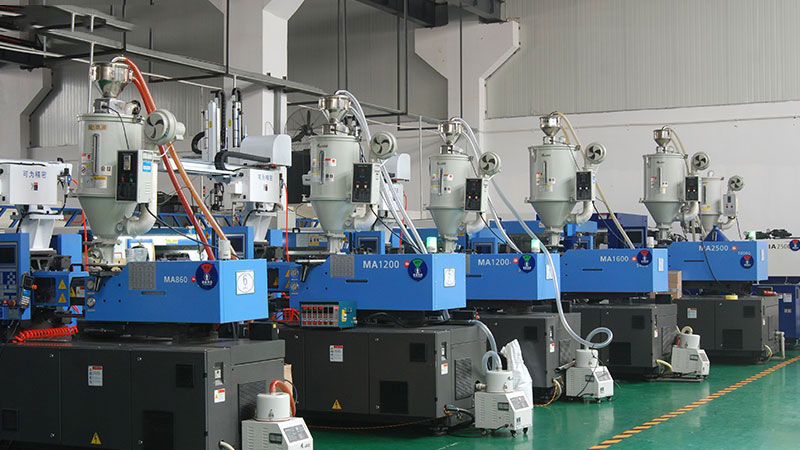
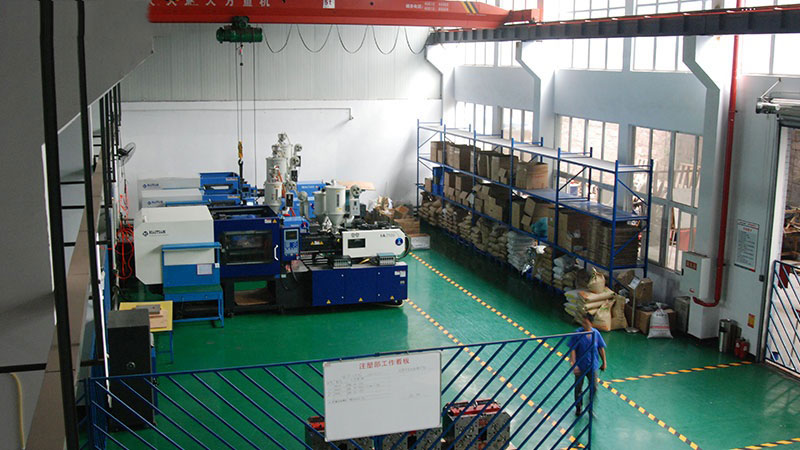
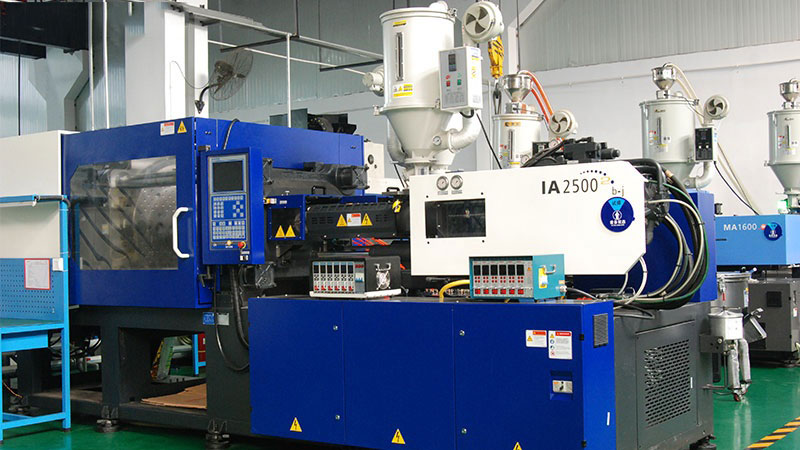
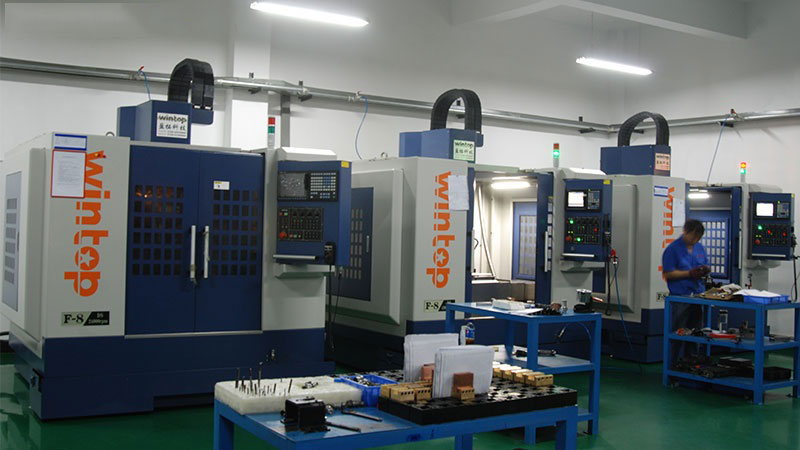
The foundational step, and arguably the most critical, is rigorous supplier verification. Not all mold factories are created equal. Begin by moving past glossy websites and sales pitches. Request a detailed company profile that includes years in operation, annual turnover, and key clientele. For a China mold factory, verification of business licenses is essential; platforms like China’s National Enterprise Credit Information Publicity System can be used to confirm legal status. However, true verification goes deeper. Insist on a virtual or, ideally, a pre-contract in-person factory audit. During this audit, focus on their engineering team’s expertise, the condition and age of their machinery (look for brands like DMG Mori, Makino, or Sodick for high-precision work), and their in-house capabilities. Does the factory handle design, CNC machining, EDM, and assembly under one roof, or do they outsource critical steps? A vertically integrated operation typically offers better control over timelines and quality.
Once a potential partner is vetted, mastering the technical and commercial dialogue is key to avoiding costly misunderstandings. Your request for quotation (RFQ) must be exceptionally detailed. For an injection mold, this goes beyond part dimensions. Provide a comprehensive package including 3D part files (STEP or IGS), 2D drawings with critical tolerances and surface finish requirements (callouts like SPI-SPE standards), material specifications for the final plastic part, and expected annual volumes. Clearly state your expectations for mold life (e.g., 500,000 shots) and the mold base standard (e.g., HASCO, DME, or LKM). Discuss post-mold services upfront: will they provide sampling, and how many pre-production samples are included? Who owns the mold design intellectual property? A professional China mold factory will engage actively with your RFQ, asking clarifying questions and potentially offering Design for Manufacturability (DFM) feedback to optimize your part for production and reduce long-term costs.
Implementing a proactive quality control protocol is non-negotiable. Do not wait until the mold arrives at your door to discover issues. Agree on a staged inspection and payment plan tied to key milestones. The first critical stage is the First Article Inspection (FAI) after mold trial. You should receive a detailed Dimension Report (often using CMM data), photos, and video of the trial run. The second is the Pre-Shipment Inspection (PSI), where the final mold is checked against the agreed specifications for workmanship, cooling lines, and functionality. For high-value projects, consider engaging a reputable third-party quality inspection agency based in China to conduct these checks impartially. Their report will provide an objective assessment before the mold leaves the factory floor. This step solves the real problem of geographical distance by placing expert eyes on your asset during fabrication.
Finally, a smooth procurement process encompasses clear contractual terms and logistical planning. Your purchase agreement should explicitly cover payment terms (e.g., 50% deposit, 40% after trial, 10% after PSI), warranty period (typically 12-24 months against workmanship and material defects), and liability for delays. Incoterms 2020 must be clearly defined—will you use FOB, where your responsibility begins at the Chinese port, or EXW, where you arrange all shipping from the factory door? For an injection mold, proper packaging is crucial to prevent damage in transit. Specify crating requirements. Furthermore, discuss post-sales support: how will they handle mold maintenance, repair requests, or the need for future modifications? A reliable partner will have a structured plan for ongoing support, ensuring the longevity of your investment.
In conclusion, successfully importing molds from China in 2026 requires a disciplined, informed approach that prioritizes due diligence and clear communication. By meticulously verifying your chosen mold factory, preparing exhaustive technical documentation, enforcing staged quality controls, and solidifying all terms in a detailed contract, you transform a complex international procurement into a manageable, low-risk operation. The goal is to build a partnership with a China mold factory that acts as an extension of your own engineering team, delivering not just a tool, but a foundation for your product’s manufacturing success. Embrace this structured framework to unlock the full potential of China’s manufacturing expertise with confidence and precision.
Work With Us
As a professional China mold manufacturer, we provide one-stop mold solution for overseas buyers.
📞 Phone: +86-18605944639
💬 WhatsApp: +8618605944639
🌐 Website: bestmoldworks.com
📧 Email: [email protected]