Blog

  • custom plastic injection mold manufacturer: Profession 2026

    For overseas businesses, partnering with a custom plastic injection mold manufacturer in China remains one of the most potent strategies for achieving cost-effective, scalable production. However, the landscape of procurement is evolving rapidly. As we look toward 2026, the profession of sourcing and collaborating with a China mold factory has transformed from a simple cost-saving endeavor into a sophisticated discipline requiring strategic insight and rigorous process control. This guide cuts through the noise to provide actionable, real-world solutions for buyers aiming to secure high-quality injection molds and build profitable, long-term supplier relationships.

    The core challenge is no longer merely finding a manufacturer but identifying a true partner capable of navigating the complexities of modern manufacturing, from advanced materials and tolerances to integrated quality systems. Success hinges on moving beyond price as the sole determinant and focusing on total value, communication efficacy, and technical synergy. The following framework is designed to help you solve the most common and critical problems in the import process.

    Conducting Deep-Due Diligence and Supplier Verification

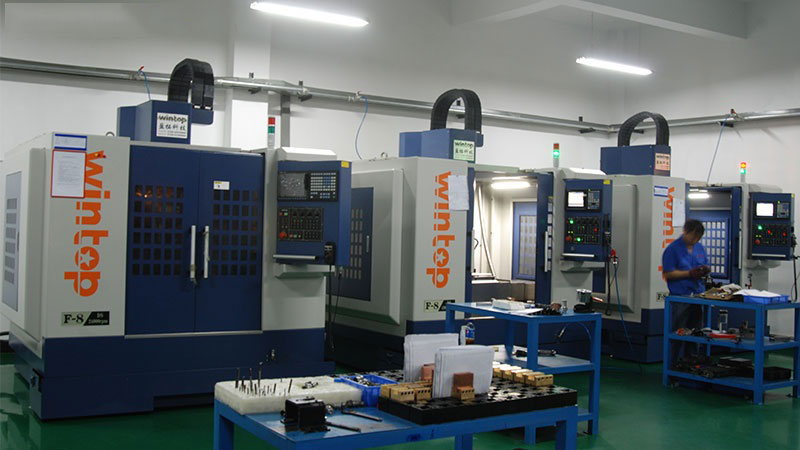
    The initial search will yield dozens of potential partners, but effective filtration is key. In 2026, basic website checks are insufficient. Begin by verifying business licenses and export records. Utilize site visits, either in-person or via high-definition live virtual tours, to assess factory conditions, machinery age and brand, and in-house capabilities like design, milling, EDM, and mold testing. Crucially, request and contact references from past overseas clients, specifically inquiring about communication hurdles, problem-resolution processes, and post-sales support. A professional custom plastic injection mold manufacturer will be transparent and facilitate this verification willingly. This step moves you from a list of potential vendors to a shortlist of credible partners.

    Mastering Technical Documentation and RFQ Clarity

    Ambiguity in technical specifications is the primary cause of delays, cost overruns, and mold rejection. Your Request for Quotation must be a comprehensive, unambiguous document. Beyond part drawings, include a detailed specification sheet covering material type, expected annual volumes, cosmetic requirements, tolerance standards, and gate location preferences. Specify the mold base standard, steel grade for core and cavity, and surface finish requirements. Clearly outline your expectations for deliverables: 3D mold design for approval, mold flow analysis reports, and sample parts from the trial. Precise documentation aligns expectations, allows for accurate comparative quoting, and demonstrates your professionalism, which in turn attracts serious suppliers.

    Implementing Stage-Gated Quality Control and Communication

    Quality cannot be inspected into a finished mold; it must be built into every stage. Insist on a stage-gated payment and inspection protocol tied to key milestones. Critical inspection points typically include: after mold design review, after mold base and core/cavity machining, and after the first trial run. For each gate, require high-resolution photos or video reports. For the final trial, many buyers engage a third-party quality control firm in China to perform an on-site dimensional and functional check before shipment. This proactive approach identifies issues early, when they are least expensive to correct. Furthermore, establish a single point of contact on both sides and use collaborative project management tools to track progress, ensuring communication is consistent and documented.

    Navigating Logistics, IP Protection, and Total Cost Analysis

    The journey is not complete when the mold is finished. Understand the Incoterms clearly. For high-value molds, consider arranging your own insurance during shipping. Intellectual property protection is a valid concern; a robust NDA is essential, and working with established factories that value their reputation is your best safeguard. For total cost analysis, look beyond the mold price. Factor in shipping, import duties, potential rework costs, and the long-term cost per part. A slightly higher initial investment in a better-quality mold from a reliable injection mold partner often yields a far lower total cost of ownership through longer mold life, fewer production stoppages, and consistent part quality.

    Building a Partnership for Future Production

    The most strategic view for 2026 is to see your mold manufacturer not as a one-time vendor but as a long-term production partner. Discuss their capabilities for future production runs of the molded parts. A manufacturer invested in a successful mold project will be incentivized to provide competitive and stable pricing for the subsequent mass production. This integrated approach from mold to part streamlines your supply chain, reduces coordination overhead, and ensures the original design intent is perfectly maintained in volume manufacturing.

    Conclusion

    The profession of importing molds from China in 2026 demands a blend of technical acumen, diligent process management, and strategic relationship building. By executing thorough supplier verification, mastering technical communication, enforcing staged quality control, and planning for the full product lifecycle, overseas buyers can mitigate risks and unlock tremendous value. The goal is to transition from a transactional procurement mindset to a collaborative partnership with a professional custom plastic injection mold manufacturer. This disciplined approach not only secures a high-quality tool but also establishes a robust foundation for efficient, scalable production, delivering a decisive competitive advantage in your market.

    Work With Us

    As a professional China mold manufacturer, we provide one-stop mold solution for overseas buyers.
    📞 Phone: +86-18605944639
    💬 WhatsApp: +8618605944639
    🌐 Website: bestmoldworks.com
    📧 Email: [email protected]
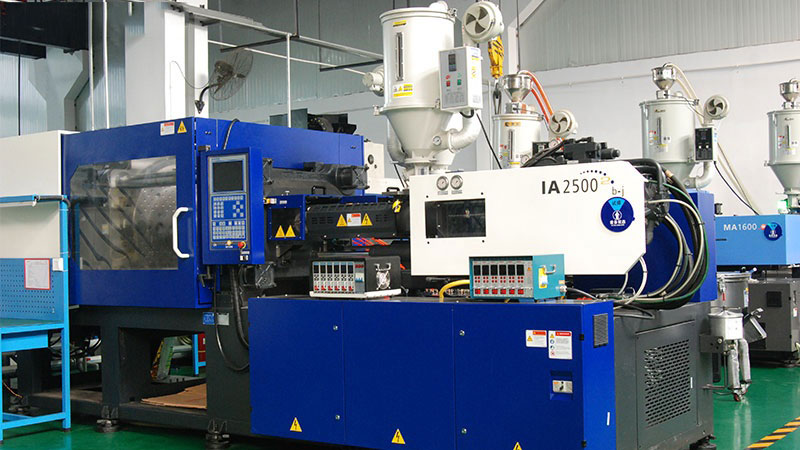
  • plastic mold China: Reliable Manufacturers Guide 2026

    Importing plastic molds from China remains a cornerstone strategy for global businesses seeking to optimize manufacturing costs and access advanced production capabilities. However, navigating the vast landscape of suppliers can be daunting, with risks ranging from communication gaps to inconsistent quality. This guide for 2026 cuts through the noise, offering a professional, actionable framework for overseas buyers to identify, verify, and partner with reliable **plastic mold China** manufacturers, ensuring your procurement investment translates into long-term value.

    Understanding the Chinese Mold Manufacturing Ecosystem

    The Chinese mold industry is stratified, with factories specializing in different market segments. High-volume, low-cost automotive components are not typically produced in the same facility as precision medical device molds. Your first step is to align your project requirements with the correct tier of supplier. For standard **injection mold** applications, numerous competent factories in industrial hubs like Dongguan, Ningbo, and Shenzhen offer excellent value. For complex, high-precision molds with stringent certification needs, you may target more specialized clusters or integrated manufacturers with in-house design and testing labs. Recognizing this diversity prevents mismatched expectations and streamlines your initial supplier search, focusing your efforts on **China mold factory** partners whose core competencies match your technical specifications and quality benchmarks.

    Strategic Supplier Verification and Vetting Processes

    Once you have a shortlist, rigorous verification is non-negotiable. In 2026, due diligence extends beyond a basic website check. Start with a deep analysis of their digital footprint: a professional website with detailed engineering case studies, active professional social media profiles (like LinkedIn), and participation in industry platforms such as Alibaba or Made-in-China.com. Crucially, request and verify business licenses. The next step is to initiate a technical dialogue. Present a detailed RFQ (Request for Quotation) including part drawings, material specifications, expected lifespan, and tolerance requirements. A reliable manufacturer will respond with insightful questions, not just a price. They will discuss mold flow analysis, cooling channel design, and steel selection. For critical projects, insist on a video conference factory tour. A real-time walkthrough of their shop floor, showcasing CNC machines, EDM equipment, and quality control stations, is far more revealing than curated promotional videos.

    Implementing Proactive Quality Control and Communication Protocols

    The most common point of failure in importing **plastic mold China** is not the initial manufacturing, but the lack of a clear quality control and communication framework. Define your QC milestones explicitly in the purchase contract. Standard checkpoints include a Design Review after DFM (Design for Manufacturability) feedback, T1 Sample Approval with CMM (Coordinate Measuring Machine) reports, and a Final Pre-shipment Inspection. For high-value molds, consider engaging a trusted third-party inspection service based in China for the critical T1 sample stage. Simultaneously, establish a structured communication protocol. Designate a single point of contact on both sides, preferably someone with technical English proficiency. Use collaborative tools for sharing drawings and updates. Regular, scheduled updates, even when there is no major news, build trust and prevent small issues from becoming costly delays. This proactive approach to **quality control** transforms the client-supplier relationship into a transparent partnership.

    Navigating Logistics, IP Protection, and Long-Term Partnership

    Finalizing the mold is only part of the journey. Discuss Incoterms (like FOB or EXW) clearly to delineate responsibility for shipping and insurance. Experienced mold factories often have forwarder partners who can handle specialized crating and sea freight for delicate, heavy tooling. Intellectual Property (IP) protection is a paramount concern. While Chinese law has strengthened IP rights, practical on-the-ground measures are essential. Have a clear, signed NNN Agreement (Non-Use, Non-Disclosure, Non-Circumvention) before sharing any technical data. For critical proprietary designs, consider splitting the mold manufacturing between two factories or having core components made separately. Viewing your **procurement** process as the foundation for a long-term partnership yields the greatest return. A reliable manufacturer becomes an extension of your R&D team, offering suggestions for design optimization and cost-saving material alternatives for future projects.

    Conclusion

    Successfully importing a plastic injection mold from China in 2026 demands a blend of strategic sourcing, meticulous verification, and disciplined project management. By understanding the market stratification, conducting thorough **supplier verification**, enforcing rigorous quality control checkpoints, and safeguarding your intellectual property, you mitigate the inherent risks. The goal is to move beyond a transactional purchase and cultivate a relationship with a **China mold factory** that is reliable, communicative, and invested in your product’s success. With this professional guide as your roadmap, you are equipped to turn the challenge of overseas **procurement** into a significant competitive advantage, securing high-quality tooling that drives your manufacturing excellence for years to come.

    Work With Us

    As a professional China mold manufacturer, we provide one-stop mold solution for overseas buyers.
    📞 Phone: +86-18605944639
    💬 WhatsApp: +8618605944639
    🌐 Website: bestmoldworks.com
    📧 Email: [email protected]
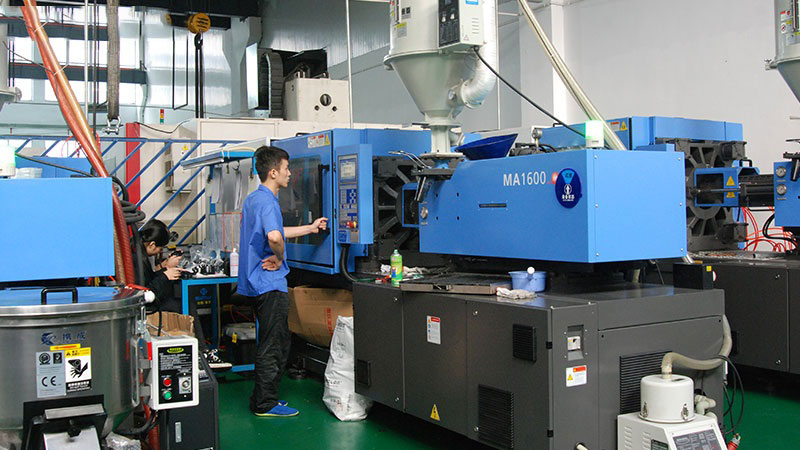
  • oem plastic injection mold supplier: Expert Tips & Sol 2026

    For overseas buyers, the decision to import molds from China represents a significant strategic advantage, offering unparalleled cost efficiency and manufacturing scalability. However, navigating the landscape to identify a truly reliable OEM plastic injection mold supplier can be fraught with complexity. As we approach 2026, the market is evolving with smarter technology and higher expectations for transparency and partnership. This guide cuts through the noise to provide expert, actionable solutions for your procurement journey, ensuring you secure not just a tool, but a cornerstone for your product’s success.

    The foundation of a successful import project lies in rigorous supplier verification. Moving beyond simple website reviews and Alibaba storefronts is non-negotiable. In 2026, due diligence means leveraging technology and direct engagement. Start with a multi-faceted audit: request detailed company registrations and business licenses, and verify them through third-party platforms. Insist on a live video tour of the China mold factory floor; this demonstrates their operational capability and transparency in real-time. Crucially, analyze their project portfolio for molds of similar complexity and volume to yours. Finally, ask for and independently contact at least two overseas client references. This comprehensive verification process separates marketing from manufacturing prowess.

    Once a potential partner is identified, mastering the technical and commercial dialogue is your next critical step. The clarity of your Request for Quotation (RFQ) directly impacts the accuracy and competitiveness of the proposal you receive. Beyond part drawings, provide a comprehensive mold specification document. This should include material grade (e.g., POM, ABS), expected annual volumes, cycle time targets, and cosmetic requirements (SPI finish standards). For the injection mold itself, specify critical expectations: mold life (e.g., 500,000 shots), hot runner system preferences, and cooling line design. Explicitly discuss intellectual property protection by proposing a formal NNN Agreement (Non-Use, Non-Disclosure, Non-Circumvention) tailored to international enforcement, rather than a standard NDA. This professional approach attracts serious manufacturers and minimizes costly misunderstandings later.

    Proactive quality control, integrated from the very beginning, is the single most effective strategy to prevent defects and delays. The outdated model of “wait and inspect at shipment” is a high-risk gamble. Instead, implement a staged inspection protocol with your chosen OEM plastic injection mold supplier. Key milestones include: First Article Inspection (FAI) after the mold trial, using dimensional reports (CMM) and sample parts; a T1 sample evaluation at your facility for form, fit, and function testing; and a Final Pre-Shipment Inspection (PSI) that checks both the mold’s condition and a sampling of production parts. Partnering with a reputable third-party quality inspection service based in the mold’s region provides an objective, expert layer of oversight, giving you peace of mind before the tool ever leaves the factory.

    The logistical and financial framework of your order safeguards your investment. Incoterms 2020 should be used precisely to define responsibilities; for mold procurement, FOB (Free On Board) is often most suitable, giving you control over the main shipping and insurance costs once the mold is loaded. Ensure the supplier provides a complete set of deliverables: not just the injection mold, but also 2D/3D drawings, mold maintenance manuals, and a list of spare components. Financially, a structured payment schedule tied to milestones (e.g., 30% deposit, 40% after T1 approval, 30% before shipment) protects both parties. Furthermore, discuss and agree upon post-sales support terms upfront, including warranty period (typically 12-24 months), response time for issues, and the cost and lead time for spare parts.

    Looking toward 2026, the most forward-thinking buyers are building strategic partnerships, not just transactional relationships. The ideal China mold factory evolves into an extension of your engineering team. Discuss their capabilities in design for manufacturability (DFM) analysis early in the process; a supplier that proactively suggests design optimizations for cost-saving or improved durability adds immense value. Explore their adaptability to trends like rapid prototyping for validation or their use of IoT-enabled molds for production monitoring. By fostering open communication and viewing your supplier as a collaborative partner, you unlock innovation, gain agility in product iteration, and build a resilient supply chain capable of supporting your growth for years to come.

    Importing molds from China remains a highly advantageous strategy for global businesses. The journey, however, demands a methodical approach grounded in verification, clear communication, quality integration, and strategic partnership. By implementing these expert tips for 2026, you transform the procurement process from a source of anxiety into a competitive edge. You will not only secure a high-quality injection mold but also establish a reliable manufacturing relationship that delivers consistent value, ensuring your products meet the market with precision, efficiency, and reliability.

    Work With Us

    As a professional China mold manufacturer, we provide one-stop mold solution for overseas buyers.
    📞 Phone: +86-18605944639
    💬 WhatsApp: +8618605944639
    🌐 Website: bestmoldworks.com
    📧 Email: [email protected]
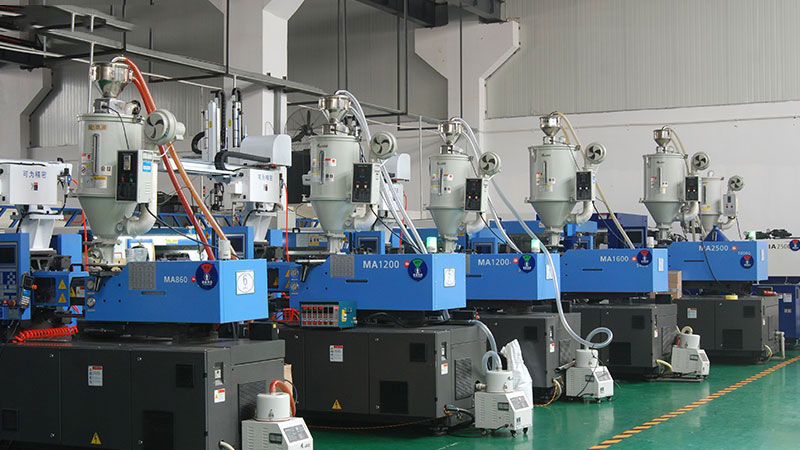
  • custom injection molded parts: Complete Procurement Gu 2026

    For overseas buyers and product developers, securing high-quality custom injection molded parts is a critical step in bringing innovative products to market efficiently and cost-effectively. China remains the global epicenter for mold manufacturing and injection molding services, offering unparalleled expertise and economies of scale. However, navigating this complex landscape requires a modern, strategic approach. This 2026 procurement guide is designed to cut through the noise and provide you with a clear, actionable framework for successfully importing molds and parts from China, mitigating risks and ensuring a smooth partnership.

    Mastering Supplier Verification and Selection

    The foundation of any successful import project is a reliable partner. The term “China mold factory” encompasses a vast range of capabilities, from small workshops to fully automated, vertically integrated facilities. Your first task is to move beyond Alibaba listings and conduct deep due diligence. In 2026, verification means leveraging video conferencing for real-time virtual factory tours, insisting on live machine demonstrations, and validating certifications like IATF 16949 for automotive or ISO 13485 for medical-grade parts. Crucially, request and contact references for past overseas clients with similar project scopes. A professional supplier will have a portfolio of successful custom injection molded parts for international buyers and be transparent about their communication processes and project management structure in English.

    Strategic Communication and Technical Alignment

    Once a shortlist of potential partners is established, precise technical communication becomes paramount. The success of your injection mold hinges on the clarity of your requirements. Prepare a comprehensive Request for Quotation (RFQ) package that includes not just 3D CAD files (STEP or IGS format), but also a detailed specification sheet covering material grade (including color and resin brand preferences), critical dimensions and tolerances (GD&T), surface finish requirements (SPI standards), and expected annual volumes. Discuss and agree upon the mold steel type (e.g., P20, H13, S136) and mold lifecycle expectations upfront. This stage is where you filter suppliers: those who ask insightful questions about your design for manufacturability (DFM) are often more valuable than those who simply provide the lowest initial quote without commentary.

    Implementing Proactive Quality Control Protocols

    Quality control cannot be an afterthought; it must be engineered into the procurement process from day one. Agree on a staged inspection and reporting schedule with your chosen China mold factory. This typically includes a First Article Inspection (FAI) report with full CMM data for the initial sample parts from the approved injection mold, and pre-shipment inspections for production runs. For critical projects, consider engaging a reputable third-party quality inspection firm located near the factory for impartial dimensional checks, material verification, and functional testing. Modern procurement utilizes digital tools: insist on high-resolution photos and videos of the molding process, packaging, and shipping labels. Clearly define your Acceptable Quality Level (AQL) in the purchase order to avoid disputes.

    Navigating Logistics, IP Protection, and Total Cost

    Understanding the total landed cost is essential for accurate budgeting. Beyond the unit price of the custom injection molded parts, factor in mold tooling costs (often paid once), shipping (air freight for samples, sea freight for bulk), import duties, and insurance. Discuss Incoterms 2020 explicitly—FOB Shanghai is common, but you must understand your responsibilities. Intellectual Property (IP) protection is a legitimate concern. Work with a legal professional to draft a robust Non-Disclosure Agreement (NDA) and mold ownership agreement signed before transferring any technical data. Reputable suppliers respect IP and are often willing to sign such documents. Additionally, clarify payment terms; a secure milestone-based structure (e.g., 30% deposit, 40% after sample approval, 30% before shipment) is standard and protects both parties.

    Building a Partnership for Long-Term Success

    View your procurement journey not as a transactional purchase but as building a strategic supply chain partnership. A reliable China mold factory is an extension of your engineering team. Foster this relationship through clear, consistent communication, fair negotiation, and prompt feedback. Schedule regular review meetings to discuss production schedules, potential improvements, and future projects. A trustworthy partner will proactively suggest design optimizations for cost reduction or performance enhancement on future iterations of your injection molded components. This collaborative approach transforms your supplier into a valuable asset, ensuring stability and quality for your product line for years to come.

    Conclusion

    Procuring custom injection molded parts from China in 2026 demands a blend of rigorous verification, technical precision, and strategic relationship management. By meticulously vetting your China mold factory, communicating specifications with absolute clarity, embedding quality control at every stage, and understanding the full legal and financial landscape, you transform a complex international endeavor into a streamlined, reliable process. The goal is to secure not just a cost-effective supplier, but a capable manufacturing partner who delivers consistent quality, enabling you to innovate and compete effectively in the global market. With this complete procurement guide as your roadmap, you are equipped to navigate the opportunities and build a supply chain that drives your product’s success.

    Work With Us

    As a professional China mold manufacturer, we provide one-stop mold solution for overseas buyers.
    📞 Phone: +86-18605944639
    💬 WhatsApp: +8618605944639
    🌐 Website: bestmoldworks.com
    📧 Email: [email protected]
  • plastic mold factory: Ultimate Guide for Buyers 2026

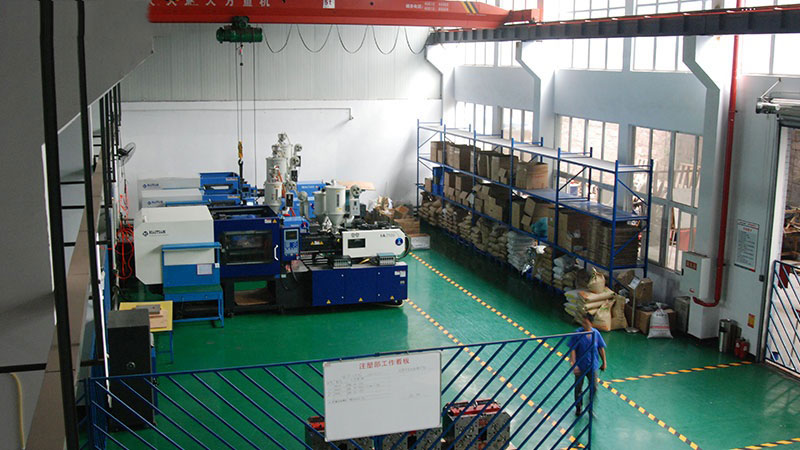
    For global businesses, from ambitious startups to established OEMs, partnering with a capable plastic mold factory in China remains a cornerstone strategy for achieving competitive advantage. The potential for significant cost savings, rapid prototyping, and access to extensive manufacturing expertise is undeniable. Yet, the journey from a digital CAD file to a perfect, high-volume production mold sitting in your facility is fraught with complexities. This guide for 2026 cuts through the noise, offering a professional, actionable roadmap to navigate the procurement landscape, mitigate risks, and build a successful partnership with a Chinese mold manufacturer.

    Mastering the Initial Supplier Verification Process

    The foundation of a successful import project is laid during the supplier verification stage. Moving beyond a simple Alibaba search is critical in 2026. Begin by shortlisting potential partners who explicitly showcase expertise relevant to your project—be it precision medical components, large automotive parts, or consumer electronics. A professional China mold factory will have a detailed website with case studies, technical capabilities listed (like tonnage, CNC precision, EDM), and clear contact information. Utilize video call platforms to conduct virtual factory tours; insist on seeing live production floors, quality control stations, and mold testing areas. Verify business licenses and ask for references from existing overseas clients. Crucially, discuss their experience with export logistics, documentation, and after-sales support. This due diligence filters out trading companies masquerading as factories and aligns you with true manufacturing partners.

    Precision in RFQ and Technical Communication

    A vague request for quotation is the primary source of future cost overruns and misunderstandings. To procure an injection mold efficiently, your RFQ must be a comprehensive technical package. This should include: detailed 3D CAD files (STEP or IGS format), 2D drawings with critical dimensions and tolerances clearly defined, material specifications for the final plastic part (e.g., ABS, PP, POM), expected annual volumes, and cosmetic requirements (texture, gloss level). Specify the mold base standard (DME, HASCO, or local standard), cooling line preferences, and ejection mechanisms. The most professional buyers also provide a sample or a prototype if available. This clarity allows the plastic mold factory to provide an accurate, apples-to-apples quote, reducing the back-and-forth and establishing you as a knowledgeable and serious partner from the outset.

    Implementing Proactive Quality Control Gates

    Relying solely on final inspection is a high-risk strategy. The modern approach is to integrate quality control checkpoints throughout the mold manufacturing process. Agree upon a Stage Inspection Protocol (SIP) with your supplier before contract signing. Key gates typically include: a design review after the mold flow analysis, inspection of the mold base and core/cavity steel before heat treatment, and a first article inspection after the T1 sample is produced. For critical projects, hiring a local third-party quality inspection agency for these stages is a wise investment. They can perform on-site checks, measure critical dimensions with CMMs, and provide detailed reports. This proactive process ensures issues like sink marks, warpage, or dimensional inaccuracies are caught and corrected early, when changes are least expensive and least disruptive to your timeline.

    Navigating Logistics, IP Protection, and After-Sales

    The responsibility of a reliable partner extends beyond the factory gate. Discuss Incoterms (2020 rules) explicitly—FOB Shenzhen is common, but understand what it means for your shipping costs and control. Ensure the China mold factory has experience preparing export-compliant packaging, typically wooden crates for mold protection, and all necessary commercial documents (commercial invoice, packing list, certificate of origin). Intellectual property protection is a valid concern; a well-drafted Non-Disclosure Agreement (NDA) and a contract that stipulates IP ownership are essential. Furthermore, clarify after-sales terms. What is the warranty period for workmanship? How are repair or modification costs handled? Who covers the cost of return shipping if a repair under warranty is needed? A trustworthy supplier will have transparent answers to these questions, ensuring a long-term relationship rather than a one-time transaction.

    Building a Partnership for Long-Term Success

    Viewing your chosen plastic injection mold supplier as a strategic partner yields far greater returns than treating them as a disposable vendor. Foster clear, consistent, and respectful communication. Appoint a single point of contact on both sides to streamline information flow. Be responsive to their technical queries during the manufacturing process. Consider visiting the factory in person for major projects; the relationship built face-to-face is invaluable. A successful first mold often leads to ongoing production, future mold projects, and a collaborative approach to value engineering that can reduce part costs over time. This partnership mindset transforms your supplier into an extension of your own engineering and production team.

    Conclusion

    Importing molds from China in 2026 demands a blend of meticulous preparation, strategic verification, and proactive management. The landscape rewards informed buyers who move beyond price-centric discussions to focus on technical capability, process transparency, and quality systems. By rigorously verifying your supplier, communicating with precision, implementing staged quality controls, and planning for the full logistics and legal lifecycle, you transform the inherent challenges of overseas procurement into a reliable pipeline for high-quality, cost-effective tooling. The ultimate goal is not just to buy a mold, but to secure a manufacturing asset and a partnership that drives your product’s success for years to come.

    Work With Us

    As a professional China mold manufacturer, we provide one-stop mold solution for overseas buyers.
    📞 Phone: +86-18605944639
    💬 WhatsApp: +8618605944639
    🌐 Website: bestmoldworks.com
    📧 Email: [email protected]

  • custom molded plastic part: Professional Buying Guide 2026

    For overseas businesses, sourcing a custom molded plastic part from China remains a powerful strategy for achieving cost efficiency, scalability, and access to advanced manufacturing capabilities. However, the journey from concept to mass-produced part is fraught with potential complexities. This professional guide for 2026 cuts through the noise to provide actionable, real-world strategies for navigating the Chinese manufacturing landscape. We will focus on the critical steps of supplier verification, technical alignment, and rigorous quality control to ensure your procurement process yields not just a low price, but a high-value, reliable supply chain partner for your injection mold and final components.

    The cornerstone of a successful project is selecting the right China mold factory. Moving beyond simple Alibaba searches, a methodical verification process is non-negotiable. Begin with a deep-dive into the supplier’s specialization. A factory proficient in small, precision medical components may struggle with large automotive parts. Scrutinize their portfolio for projects similar in size, complexity, and industry to your custom molded plastic part. Essential verification steps include a formal business license check, factory audit reports (either conducted by your team or a trusted third-party agency), and video tours of their production floor, mold shop, and quality lab. In 2026, leveraging professional networks on platforms like LinkedIn and industry-specific B2B platforms can provide more qualified leads than open directories. Remember, the goal is to assess their capability to be a true partner, not just a vendor.

    Once a potential partner is identified, mastering the technical and commercial quotation process is vital. A professional China mold factory will request comprehensive data: 3D CAD files (preferably in STEP or IGES format), 2D drawings with critical tolerances and GD&T callouts, material specifications, and expected annual volumes. Be wary of quotes that are provided too quickly without clarifying questions. A detailed quotation should be bifurcated: one for the injection mold (tooling) cost, and another for the piece-part price. The mold quote must specify steel grade (e.g., P20, H13, Stainless), cavity count, lifetime expectations, cooling system design, and warranty terms. For the part, clarify the raw material brand, color matching standards, and packaging. Transparency at this stage prevents costly change orders and misunderstandings later, forming a solid foundation for the entire procurement cycle.

    With a supplier selected and a contract in place, proactive project management during the mold manufacturing phase is your primary lever for quality. Insist on a staged approval process with digital documentation. This typically includes a mold design review (DFM report), which may suggest modifications to improve manufacturability and reduce cost. Follow this with regular photo or video updates of key milestones: steel machining, electrode fabrication, cavity polishing, and mold assembly. The First Article Inspection (FAI) is the most critical checkpoint. Before mass production begins, you must receive sample parts from the production mold, along with a full dimensional inspection report. This is the time to validate fit, form, and function. Do not authorize production until the FAI is fully approved. This disciplined approach to the injection mold development phase directly dictates the quality and consistency of every subsequent custom molded plastic part.

    The final, ongoing challenge is implementing a robust quality control protocol for production runs. Even with a perfect mold, process drift can occur. Define clear Acceptable Quality Levels (AQL) for visual and dimensional checks, and ensure they are contractually agreed upon. For critical components, consider investing in upfront tooling for go/no-go gauges or CMM inspection jigs that you can provide to the supplier. For high-volume or safety-critical parts, engaging a local third-party quality inspection firm for pre-shipment inspections (PSI) or during-production checks (DUPRO) is a prudent investment. Furthermore, maintain a retained sample library from approved production runs for future reference. In 2026, leading factories may offer IoT-enabled monitoring of injection machines, providing real-time data on cycle times and parameters, adding a layer of digital oversight to your quality assurance program.

    Successfully importing molds and custom molded plastic parts from China in 2026 demands a blend of diligent preparation, technical clarity, and sustained oversight. The landscape rewards buyers who approach the process as a strategic partnership built on transparency and mutual understanding. By rigorously verifying your China mold factory, managing the technical procurement with precision, and enforcing stringent quality control from mold sampling to mass production, you transform geographical distance and complexity into a competitive advantage. The result is a reliable, cost-effective supply chain that delivers the quality and consistency your product deserves, year after year.

    Work With Us

    As a professional China mold manufacturer, we provide one-stop mold solution for overseas buyers.
    📞 Phone: +86-18605944639
    💬 WhatsApp: +8618605944639
    🌐 Website: bestmoldworks.com
    📧 Email: [email protected]

  • mold manufacturer: Professional Buying Guide 2026 | China Mold Factory

    For overseas buyers, sourcing precision tooling from China represents a significant strategic advantage, offering a compelling balance of cost, capability, and scale. However, navigating the vast landscape of suppliers to find a reliable and professional **mold manufacturer** can be daunting. This guide is designed to cut through the complexity, providing you with a clear, actionable roadmap for your procurement journey in 2026 and beyond. We will focus on practical steps for supplier verification, stringent quality control, and effective communication to ensure your project’s success from drawing to delivery.

    The foundation of a successful import project lies in meticulous supplier verification. Moving beyond a simple website check or Alibaba storefront is non-negotiable. Begin by demanding concrete evidence of capability. Request detailed case studies or portfolios showcasing molds similar to yours in complexity, material, and industry (e.g., automotive, medical, consumer electronics). A credible **China mold factory** will readily provide this. Subsequently, initiate a video conference for a virtual factory tour. This allows you to assess their machinery (look for modern CNC, EDM, and CMMs), workshop organization, and engineering team in real-time. Crucially, verify their business licenses and ask for references from existing overseas clients. A direct conversation with a past international buyer can reveal invaluable insights into reliability, communication, and post-sales support. This multi-layered verification process filters out traders and underqualified workshops, directing you to true manufacturing partners.

    Once a potential partner is identified, transforming your concept into a precise technical and commercial blueprint is the next critical phase. Ambiguity here is the primary source of cost overruns and quality disputes. Provide, or collaboratively develop, comprehensive 3D product drawings (STEP or IGES files) and fully dimensioned 2D mold drawings. The quotation package must be exhaustive. It should detail mold base standards (LKM, HASCO, DME), core and cavity steel grade (and its supplier, e.g., ASSAB, Bohler), surface finish specifications (SPI/VDI standards), expected cavitation, lifetime cycles, and all critical tolerances. Furthermore, explicitly outline post-mold services: Is sampling included? How many trial shots? What is the protocol for engineering changes (ECN)? A professional **mold manufacturer** will ask these questions proactively. A detailed, itemized quote, while time-consuming to create and review, aligns expectations and serves as the contractual bedrock for the entire project.

    Proactive and structured quality control is what separates successful imports from costly failures. Do not adopt a “wait-and-see” approach until final inspection. Implement staged QC checkpoints tied to payment milestones. Key stages typically include: a First Article Inspection (FAI) of the finished mold steel blocks before heat treatment, a T1 sample trial with full inspection report (including dimensional report from CMM, color charts, and gate vestige samples), and a final pre-shipment inspection. For critical applications, consider engaging a reputable third-party inspection service located near the factory for the T1 and final inspections. Their unbiased report on mold performance and part quality is a powerful tool. Additionally, insist on documented evidence throughout: material certificates for the steel, heat treatment reports, and mold flow analysis if applicable. This disciplined, evidence-based approach to procurement ensures you are not merely buying a mold, but guaranteed performance.

    The journey does not end when the mold is shipped. Planning for the operational lifecycle is essential. Discuss and agree upon terms for mold maintenance, repair, and storage with your **China mold factory** before finalizing the contract. Will they provide spare wear parts? What is their response time for troubleshooting support via video call? For injection molds, clarity on intellectual property (IP) is paramount. Ensure a robust confidentiality agreement (NDA) is signed at the outset and that your contract stipulates all design and tooling IP remains your exclusive property. Finally, master the logistics. Understand Incoterms 2020 thoroughly; FOB Shanghai is common, but you must account for freight, insurance, and import duties on your end. Ensure the factory packages the mold securely in a custom wooden crate with proper desiccant to prevent rust during transit. A reliable partner will guide you through this process, ensuring your asset arrives ready for production.

    Importing molds from China in 2026 demands a shift from a simple cost-centric purchasing model to a partnership-based technical collaboration. The landscape is mature, and the most successful buyers are those who invest time in thorough supplier verification, uncompromising clarity in technical specifications, and rigorous, staged quality control. By treating your chosen China mold factory as a strategic extension of your engineering team and managing the process with professional diligence, you unlock world-class manufacturing capabilities. This disciplined approach mitigates risk and transforms the complex endeavor of overseas mold procurement into a reliable, value-driving pillar of your supply chain.

    Work With Us

    As a professional China mold manufacturer, we provide one-stop mold solution for overseas buyers.
    📞 Phone: +86-18605944639
    💬 WhatsApp: +8618605944639
    🌐 Website: bestmoldworks.com
    📧 Email: [email protected]

  • plastic injection mould manufacturer in china: Best Sup 2026

    For overseas buyers, sourcing a reliable plastic injection mould manufacturer in China represents a significant strategic advantage, offering unparalleled cost efficiency and manufacturing scalability. However, the path to a successful partnership is often fraught with challenges, from supplier verification to consistent quality control. As we look toward 2026, the landscape is evolving, demanding more sophisticated procurement strategies. This guide cuts through the noise to provide actionable, real-world solutions for identifying and collaborating with a top-tier China mold factory, ensuring your injection mold project is a resounding success.

    Mastering Supplier Verification and Vetting

    The foundational step in your procurement journey is rigorous supplier verification. A professional website and polished sales presentation are no longer sufficient indicators of capability. Begin by demanding concrete evidence. Request detailed case studies of molds they have built for overseas clients, specifically in your industry or of similar complexity. Insist on a virtual or, ideally, an in-person factory audit. During this audit, focus on their machine park—look for modern CNC, EDM, and high-speed milling equipment from reputable brands. Assess their engineering team’s proficiency with 3D design software like UG/NX or Creo. Furthermore, verify their export experience by asking for references and checking their business licenses. A credible injection mold supplier in 2026 will be transparent and eager to provide this information, viewing your diligence as a sign of serious intent.

    Implementing a Phased Payment and Project Milestone System

    Financial terms are a critical lever for managing risk and ensuring project alignment. Moving away from large upfront payments is essential. Negotiate a phased payment structure tied to clear, documented project milestones. A typical and secure structure might be: 30% upon order confirmation and design freeze, 40% upon approval of the mold trial sample (T1) report and videos, and the final 30% upon completion of all quality checks before shipment. This approach aligns the China mold factory’s cash flow with your project’s progress and gives you tangible leverage at each stage. It ensures that quality and timeline commitments are met before significant funds are released, protecting your investment and fostering a partnership based on delivered results.

    Enforcing Rigorous Pre-Shipment Quality Control Protocols

    Quality control cannot be an afterthought; it must be engineered into the procurement process from the outset. Your technical agreement must specify all critical dimensions, materials (both mold steel and final part resin), surface finishes (SPI/VDI standards), and performance criteria like cycle time and cavitation. Crucially, insist on a comprehensive First Article Inspection (FAI) report and a full Dimension Report for the T1 samples. For critical components, engage a trusted third-party quality inspection service in China to conduct an on-site inspection during the final trial run. They will check for wear, venting, cooling, and part conformity. This independent validation from a professional China mold factory is a non-negotiable step to prevent costly defects and delays upon the mold’s arrival at your production facility.

    Navigating Communication and Intellectual Property Protection

    Clear, consistent communication is the antidote to most sourcing problems. Establish a single point of contact on both sides, preferably someone with strong technical English skills. Utilize collaborative tools for sharing 3D files and markups. Schedule regular video conference calls during key phases—design review, mold flow analysis, and trial results. Regarding Intellectual Property (IP), while China has strengthened its IP laws, practical protection is key. Sign a robust NDA and ensure your contract stipulates that all mold design and tooling remain your exclusive property. Work with manufacturers who have a demonstrated reputation for respecting client IP, often larger or internationally certified factories. Consider physically stamping your company logo onto the mold tool itself as a further deterrent.

    Building a Partnership for Long-Term Success

    Viewing your chosen plastic injection mould manufacturer in China as a mere vendor is a short-sighted strategy. For the best outcomes in 2026 and beyond, aim to cultivate a strategic partnership. This involves transparency about your forecasts, willingness to visit the factory to build relationships, and providing fair feedback. Discuss future projects and their capacity for scaling with you. A partner will proactively suggest design for manufacturability (DFM) improvements to save you cost and time, and will be invested in the long-term performance of the mold. This collaborative approach transforms the supplier relationship from a transactional cost center into a valuable extension of your own manufacturing capability.

    Conclusion

    Successfully importing injection molds from China in 2026 requires a methodical, informed approach that prioritizes verification, controlled procurement, and unwavering quality standards. By implementing these actionable strategies—from deep-dive supplier audits and milestone-based payments to enforced QC and IP protection—you significantly de-risk the process. The goal is to move beyond simply finding a supplier to forging a partnership with a competent and reliable plastic injection mould manufacturer in China. This strategic shift empowers you to leverage China’s manufacturing prowess fully, securing not just a tool, but a competitive advantage for your production line for years to come.

    Work With Us

    As a professional China mold manufacturer, we provide one-stop mold solution for overseas buyers.
    📞 Phone: +86-18605944639
    💬 WhatsApp: +8618605944639
    🌐 Website: bestmoldworks.com
    📧 Email: [email protected]

  • import mold from China: Reliable Manufacturers Guide 2026

    For global OEMs, product designers, and engineering firms, the decision to import mold from China remains a strategic move to balance exceptional quality with significant cost efficiency. However, the path to a successful partnership is often obscured by concerns over supplier reliability, communication barriers, and quality inconsistencies. This guide is designed to cut through the noise. We provide a clear, actionable framework for overseas buyers to navigate the Chinese manufacturing landscape in 2026, transforming the complex process of mold procurement into a streamlined and secure operation.

    The cornerstone of a successful project lies in meticulous supplier verification. Moving beyond a simple Alibaba search is crucial. Begin by identifying a China mold factory with demonstrable expertise in your specific niche, whether it’s high-precision medical components, large automotive parts, or complex consumer goods. Scrutinize their portfolio for projects comparable in scale and complexity to yours. Essential verification steps include requesting business licenses, visiting the facility virtually via a detailed video tour, and checking for relevant international certifications like ISO 9001. Crucially, insist on speaking directly with their project engineers during the inquiry phase. This tests communication fluency and technical acumen simultaneously, ensuring they can interpret your designs and requirements accurately from the outset.

    Once a shortlist is established, refining your technical procurement approach is vital. A clear, comprehensive Request for Quotation (RFQ) package separates professional buyers from casual inquiries. This package must include not just the 3D CAD model (STEP or IGS format), but also detailed 2D drawings with critical tolerance callouts, material specifications (e.g., pre-hardened steel, stainless steel, or aluminum), expected production volume, and cycle time targets. For injection mold projects, specify the molding machine parameters and resin type. This level of detail forces suppliers to provide comparable, apples-to-apples quotations and reveals which factories are genuinely attentive to specifications. Be wary of quotes that are significantly lower than the market average; this often signals corner-cutting on material quality, machining precision, or post-processing.

    Proactive and structured quality control is non-negotiable. The most reliable manufacturers welcome and are prepared for this phase. Define your QC milestones clearly in the contract. The First Article Inspection (FAI) is critical: upon mold completion, the supplier should produce a sample batch, provide full inspection reports (including CMM data for critical dimensions), and ship physical samples to you for approval before mass production begins. For ongoing assurance, consider engaging a local third-party quality inspection firm to conduct audits during key production stages. Furthermore, discuss the mold trial process upfront. A professional China mold factory will document and share trial reports, including parameters used, any issues encountered, and adjustments made. This transparency builds trust and ensures the final tool meets all functional requirements.

    Navigating logistics and fostering a long-term partnership are the final, interconnected steps. Understand the Incoterms in your contract—typically EXW, FOB, or CIF—as they define responsibility and cost from the factory floor to your destination port. Ensure the supplier provides a professional mold design review, suggesting design for manufacturability (DFM) improvements that can enhance tool life and part quality. A reliable partner views your project not as a one-time transaction but as the start of a long-term collaboration. They will maintain proper mold maintenance records and be readily available for technical support during the tool’s lifespan. This ongoing relationship is the true return on investment when you decide to import mold from China, turning a single procurement into a sustained competitive advantage.

    In conclusion, importing high-quality molds from China in 2026 is a highly viable strategy for businesses worldwide, provided it is approached with diligence and structured processes. The journey from supplier verification to final delivery hinges on clear communication, technical precision, and unwavering commitment to quality control at every stage. By treating your chosen China mold factory as a strategic engineering partner rather than just a vendor, you unlock not only cost savings but also innovation and reliability. Embrace this guide as your roadmap to building a productive supply chain, ensuring that your next injection mold procurement project is a resounding success that delivers value for years to come.

    Work With Us

    As a professional China mold manufacturer, we provide one-stop mold solution for overseas buyers.
    📞 Phone: +86-18605944639
    💬 WhatsApp: +8618605944639
    🌐 Website: bestmoldworks.com
    📧 Email: [email protected]

  • injection molds for plastic part: Expert Tips & Soluti 2026

    For overseas businesses, sourcing injection molds for plastic part production represents a significant strategic advantage. China remains the global epicenter for mold manufacturing, offering unparalleled expertise, scalability, and cost-effectiveness. However, navigating this complex landscape requires more than just finding the lowest quote. The year 2026 brings evolved challenges and solutions, demanding a more sophisticated approach to procurement. This guide provides actionable, expert-level strategies to help you secure high-quality injection molds, mitigate risks, and build a successful, long-term partnership with a China mold factory.

    The foundation of a successful import project lies in meticulous supplier verification. Moving beyond Alibaba listings is crucial. Start by conducting a deep-dive analysis of potential suppliers. A professional injection mold manufacturer should readily provide a detailed company profile, showcasing their core competencies, machine park (list specific brands and tonnages of injection molding machines and CNC equipment), and industry specializations. Request and scrutinize a portfolio of past projects, specifically looking for work similar to your part in complexity, material, and industry. Utilize video conferencing to conduct a virtual factory tour; a reputable supplier will have no issue showcasing a clean, organized facility with modern machinery. Furthermore, verify business licenses and, importantly, ask for and contact 2-3 references from their existing overseas clients. This step in supplier verification separates marketing from proven capability.

    Once a shortlist of qualified partners is established, the focus shifts to technical and commercial clarity. Your Request for Quotation (RFQ) package must be comprehensive to avoid costly misunderstandings and change orders later. It should include not just a 3D CAD model (STEP or IGS format), but also detailed 2D drawings with GD&T (Geometric Dimensioning and Tolerancing) callouts, specifying critical dimensions and allowable variances. Clearly state the plastic material you intend to use, expected annual volumes, and the required mold life (e.g., 500,000 cycles). This information directly influences mold steel selection and cooling system design. Be explicit about deliverables: How many cavity samples will be provided for approval? What documentation is included (mold design drawings, maintenance manual)? A precise RFQ enables suppliers to provide comparable, accurate quotes and demonstrates your professionalism, commanding greater respect and attention.

    The true test of a China mold factory lies in its commitment to proactive quality control, not just final inspection. Insist on a staged approval process with clear milestones. The first critical stage is the mold design review. Before any steel is cut, your team should approve the mold flow analysis (MFA) report and the detailed mold structure drawings. MFA simulates how plastic will fill the cavity, predicting potential defects like weld lines, air traps, or sink marks, allowing for corrective design changes upfront. The next checkpoint is the First Article Inspection (FAI). Upon initial sampling, you should receive dimensional inspection reports of the molded parts, often using CMM (Coordinate Measuring Machine) data, verifying they meet your print specifications. Do not release final payment until you have physically approved samples from the production mold. This layered QC approach transforms quality from a hope into a verified process.

    Effective procurement extends beyond the initial purchase to encompass logistics, intellectual property (IP) protection, and long-term partnership. For logistics, clarify Incoterms (e.g., FOB Shanghai) explicitly in your contract to define responsibilities and costs. For IP protection, a well-drafted Non-Disclosure Agreement (NDA) and a product confidentiality clause in the commercial contract are essential. While absolute security is challenging, working with established, reputation-conscious manufacturers significantly reduces risk. View your chosen supplier as a strategic partner. Transparent communication, fair negotiation, and prompt payment for agreed milestones foster goodwill. This relationship is invaluable for future design iterations, maintenance, and troubleshooting, ensuring your supply of plastic parts remains reliable and efficient for years to come.

    In conclusion, importing injection molds from China in 2026 is a highly viable strategy for achieving competitive advantage, provided it is executed with diligence and strategic foresight. The process hinges on rigorous supplier verification, crystal-clear technical communication, a staged quality control protocol, and a commitment to building a professional partnership. By moving beyond price as the sole deciding factor and implementing these expert tips, you transform the procurement journey from a risky venture into a predictable, value-adding component of your supply chain. The goal is not merely to purchase a tool, but to secure a cornerstone of your product’s manufacturing success, ensuring the injection molds for plastic part production deliver consistent quality, performance, and return on investment.

    Work With Us

    As a professional China mold manufacturer, we provide one-stop mold solution for overseas buyers.
    📞 Phone: +86-18605944639
    💬 WhatsApp: +8618605944639
    🌐 Website: bestmoldworks.com
    📧 Email: [email protected]