For overseas buyers, the search for a “custom injection mold maker near me” often concludes with a strategic pivot towards global manufacturing hubs. In 2026, the most professional and cost-effective solution for high-quality tooling frequently lies in partnering with a specialized China mold factory. However, a successful procurement journey requires moving beyond simple price comparison to a methodical approach centered on verification, communication, and quality assurance. This guide provides actionable insights for international businesses to navigate the process of importing injection molds from China, transforming geographical distance into a competitive advantage.
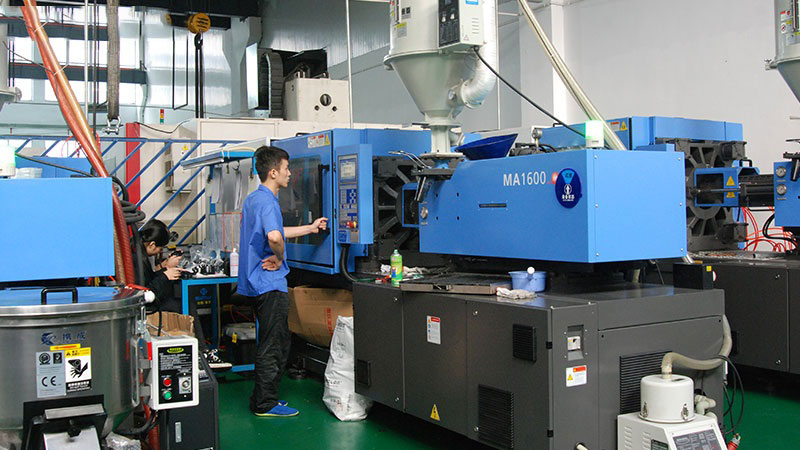
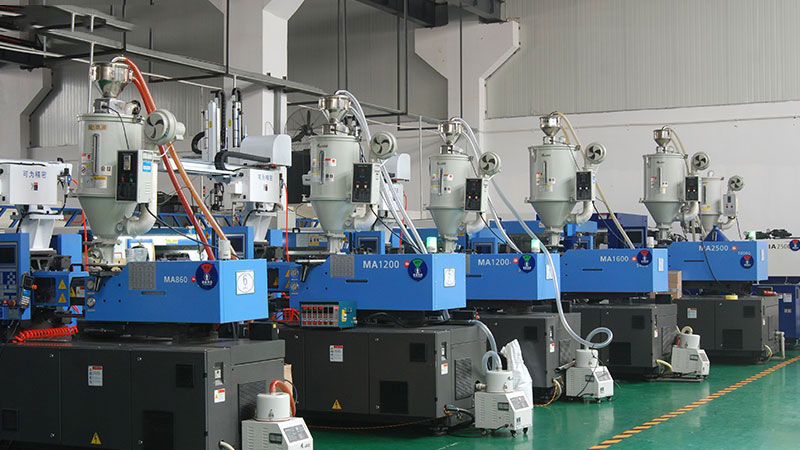
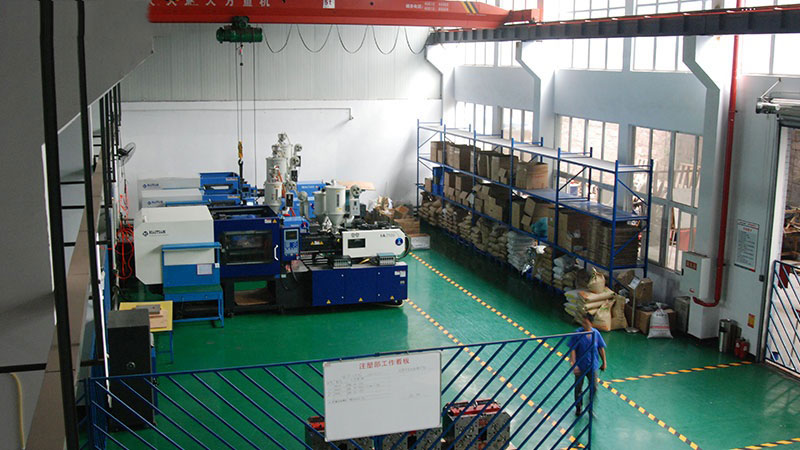
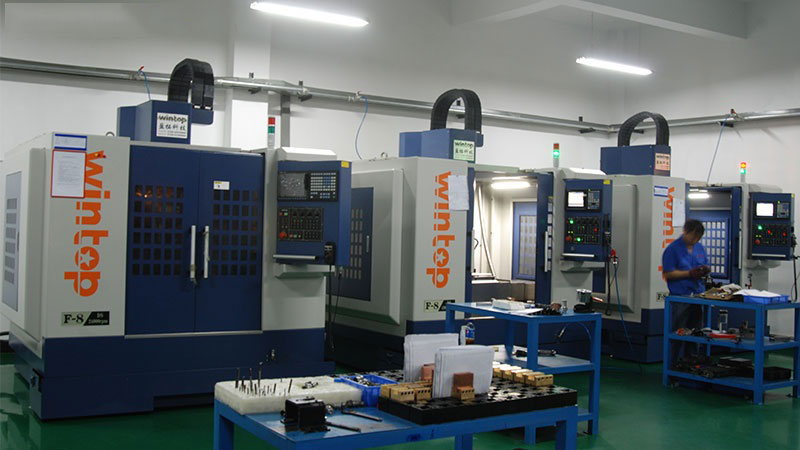
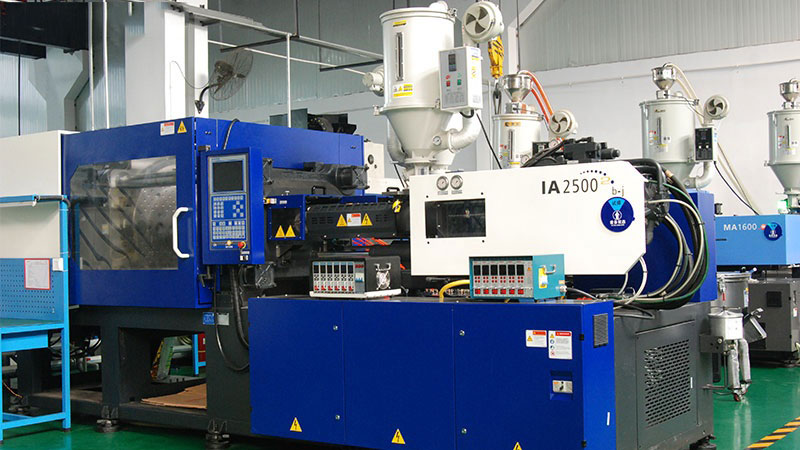
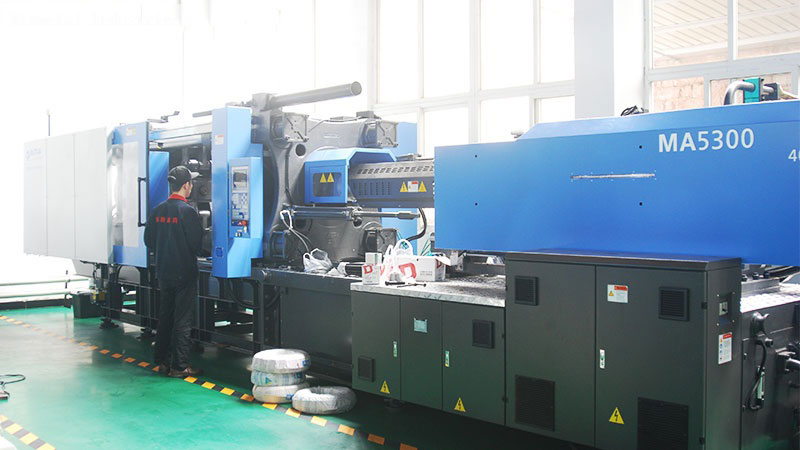
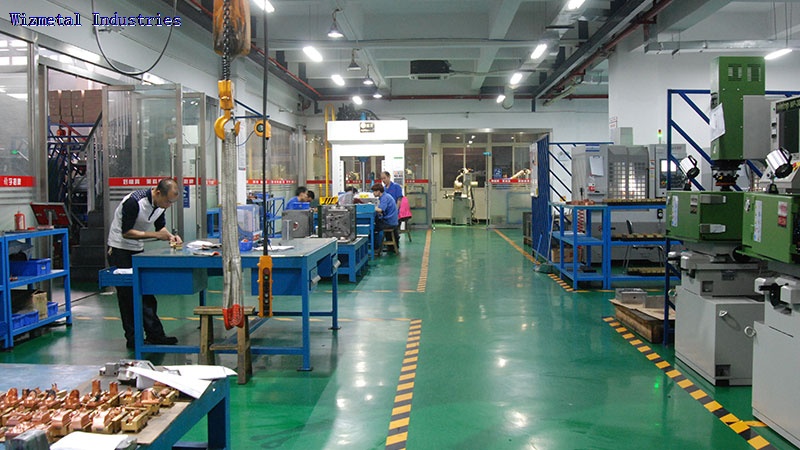
The foundation of a successful import project is rigorous supplier verification. The term “near me” in today’s digital context translates to accessibility and transparency, not physical proximity. Begin by conducting deep due diligence on potential partners. Utilize B2B platforms but prioritize verifying business licenses, export histories, and physical factory addresses. Request a virtual factory tour via video call; a reputable supplier will readily showcase their workshop, machinery, and ongoing projects. Examine their portfolio for experience in your specific industry, material, and mold complexity. Furthermore, check for international quality certifications like ISO 9001, which indicate a baseline commitment to systematic processes. This initial verification phase filters out trading companies or under-qualified workshops, ensuring you engage with a legitimate manufacturer capable of meeting your technical specifications.
Once a shortlist of potential partners is established, mastering the technical and commercial quotation process is critical. A professional China mold factory will request comprehensive data to provide an accurate quote. Be prepared to share detailed 3D part files, material specifications, expected annual volumes, and cosmetic requirements. Analyze quotations meticulously; the cheapest option often carries hidden risks in material grade, craftsmanship, or post-sales support. Scrutinize what is included: Is mold flow analysis offered? Are sample parts included in the price? What is the warranty period for workmanship? Clearly define the payment terms, favoring a staggered schedule tied to project milestones—such as 30% upon order, 40% after T1 sample approval, and 30% before shipment. This protects both parties and aligns incentives for timely, quality completion.
Proactive quality control is the non-negotiable pillar of importing injection molds. Do not wait until shipment to inspect the final product. Implement a multi-stage inspection protocol. First, insist on a First Article Inspection after the initial sample parts are produced. This is the time to verify critical dimensions, assembly fits, and surface finish against your CAD data. Second, schedule a Pre-Shipment Inspection when the mold is complete and final sample parts are produced. This inspection should check the mold’s construction, steel hardness, cooling lines, and the conformity of the final samples. For high-value projects, consider hiring a third-party quality control agency based in China to conduct these inspections objectively. This hands-on approach to quality control mitigates the risk of receiving a non-conforming tool, which can cause costly production delays back home.
Effective communication and project management bridge the geographical and cultural gap. Establish clear, documented communication channels, using tools like email for formal approvals and platforms like WeChat or Zoom for daily updates. Assign a single point of contact on both sides. Be explicit about your expectations regarding design for manufacturability feedback, regular progress reports with photos/videos, and packaging standards for safe international freight. Discuss and agree upon a realistic timeline that includes design review, mold fabrication, sampling, revisions, and shipping. A professional supplier will appreciate this clarity, as it reduces misunderstandings and builds a foundation for a long-term partnership. Remember, you are not just buying a mold; you are investing in a collaborative manufacturing relationship.
The culmination of this process is planning for the long-term lifecycle of the mold. Discuss post-sales support and maintenance at the outset. A reliable supplier will provide mold design files, maintenance manuals, and a list of spare components. Understand their policy on mold repairs, modifications, and the lead time for producing replacement parts. In 2026, forward-thinking manufacturers often offer digital support, including remote troubleshooting. Furthermore, consider the total cost of ownership: a slightly higher initial investment in a robust mold from a verified partner often results in lower maintenance costs, higher production efficiency, and longer tool life, delivering superior value over time.
In conclusion, the modern quest for a “custom injection mold maker near me” is best fulfilled through a strategic, informed approach to the Chinese manufacturing landscape. The year 2026 demands professionalism that prioritizes thorough supplier verification, precise communication, embedded quality control, and lifecycle planning. By reframing the procurement process from a simple purchase to a managed partnership, overseas buyers can reliably access the expertise and cost-efficiency of a top-tier China mold factory. This disciplined methodology not only secures a high-quality injection mold but also establishes a vital supply chain asset that drives product innovation and market competitiveness for years to come.
Work With Us
As a professional China mold manufacturer, we provide one-stop mold solution for overseas buyers.
📞 Phone: +86-18605944639
💬 WhatsApp: +8618605944639
🌐 Website: bestmoldworks.com
📧 Email: [email protected]